

Beginner beekeeping limits to account for
Choosing the right Beekeeping Starter Kit requires balancing budget, space, and local regulations. A practical kit should include essential protective gear, core hive components, and maintenance tools that survive normal use. If a recommendation only works in an ideal situation, call that out plainly and give the reader a fallback path.
The simplest way to evaluate options is to write down must-have criteria first, then compare each kit against those criteria before weighing nice-to-have features.
Beginner beekeeping choices that change the plan
Use this section to make the Beekeeping Starter Kit decision easier to compare in real life. Start with the reader's actual constraint, then separate must-have requirements from details that are merely nice to have.
A practical choice should survive normal use, maintenance, timing, and budget. If a recommendation only works in an ideal situation, call that out plainly and give the reader a fallback path.
| Factor | What to check | Why it matters |
|---|---|---|
| Fit | Match the option to the primary use case. | A good deal still fails if it does not fit the job. |
| Condition | Verify age, wear, and service history. | Hidden condition issues erase upfront savings. |
| Cost | Compare purchase price with likely upkeep. | The cheapest option is not always the lowest-cost option. |
Choose the next step
The Beekeeping Starter Kit works best as a clear sequence: define the constraint, compare the realistic options, test the tradeoff, and choose the path with the fewest hidden costs. That order keeps the advice usable instead of decorative.
After each step, pause long enough to check whether the recommendation still fits the reader's actual situation. If it depends on perfect timing, unusual access, or a best-case budget, include a simpler fallback.
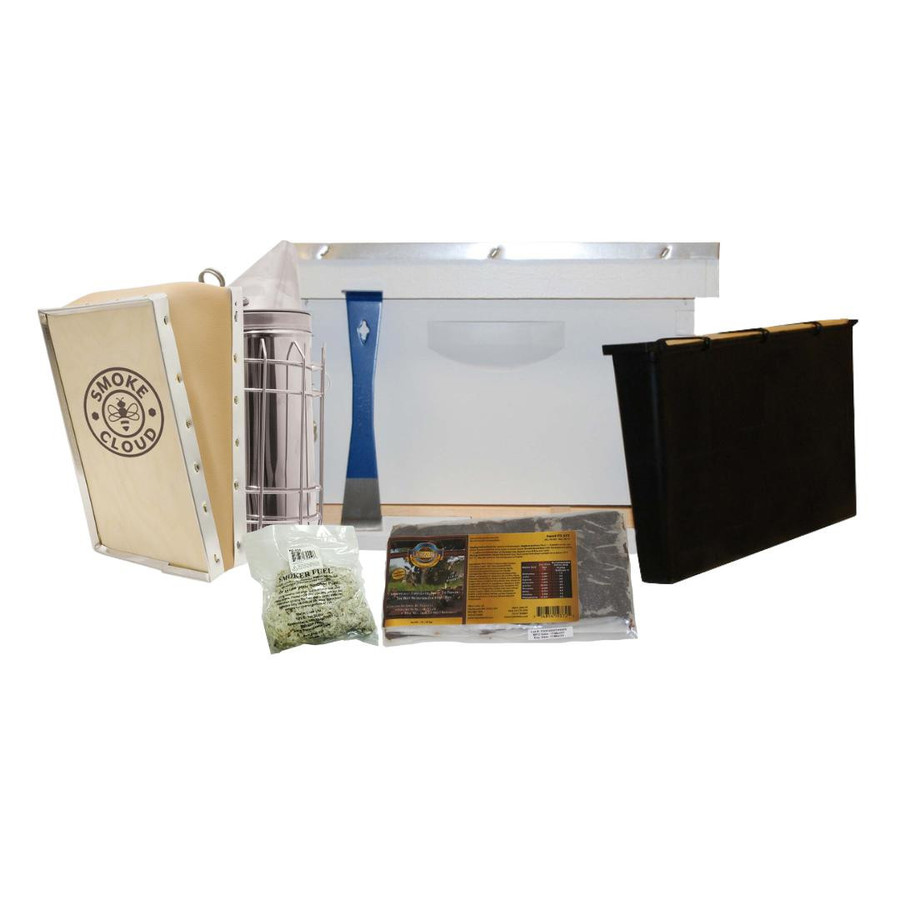
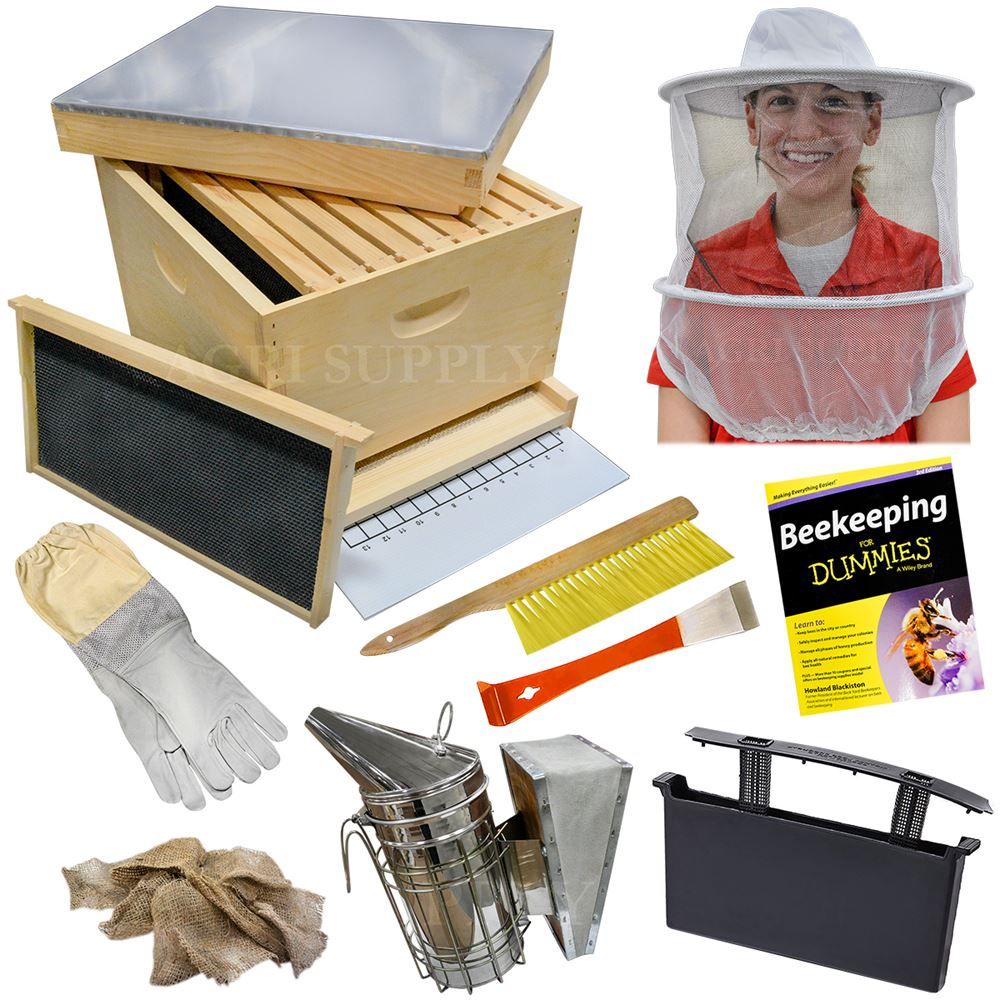
Watch Out for Weak Starter Kit Options
Many beginner kits promise a complete setup for under $200, but they often cut corners where it matters most. A truly functional starter kit should include a quality smoker, a reliable hive tool, and proper protective gear—not just a few frames and a box. If the price seems too good to be true, it usually is. Cheap smokers often fail to produce the cool smoke needed to calm bees, leading to defensive behavior and unnecessary stings. Similarly, poorly fitted hive tools can bend or break, making inspections difficult and frustrating.
Check for Misleading "Complete" Claims
Some vendors market "complete" kits that omit essential items like foundation sheets or frame wax. Without proper foundation, bees may build erratic comb, which is hard to manage and inspect. Always verify the inventory list against your state’s specific requirements. For instance, some regions mandate certain hive materials or inspection frequencies. A kit that ignores these local regulations will leave you non-compliant from day one. Cross-reference the kit contents with official state beekeeping association guidelines to ensure nothing is missing.
Avoid Outdated Legal Checklists
Beekeeping laws vary significantly by county and state. A generic legal checklist found online may not reflect current ordinances regarding hive registration, spacing requirements, or nuisance laws. Relying on outdated information can result in fines or forced hive removal. Before purchasing any equipment, consult your local agricultural extension office or state apiary inspector. They can provide the most up-to-date legal requirements, ensuring your operation is compliant and sustainable. This small step prevents major headaches later.
Beginner beekeeping: what to check next
Helpful gear
Use these product recommendations as a starting point, then choose the size, material, and price point that fit how you actually use the gear.


As an Amazon Associate, we may earn from qualifying purchases.
No comments yet. Be the first to share your thoughts!