

Check local zoning and zoning laws
Before purchasing bees or equipment, you must verify that your location permits apiaries. Municipal codes, county ordinances, and Homeowners Association (HOA) rules vary significantly by jurisdiction. Failing to check these regulations can result in fines, forced removal of hives, or neighbor disputes.
Many municipalities require a permit to keep bees. Some jurisdictions impose distance requirements, mandating that hives be set back a certain number of feet from property lines or public rights-of-way. Others restrict the number of hives per lot. These rules are designed to manage potential nuisances and ensure public safety.
Note: This section provides general information about common regulatory patterns. It is not legal advice. You should consult your local municipal code office or county agriculture department for specific requirements in your area.
Start by contacting your city or county planning department. They can provide copies of the relevant zoning ordinances. If you live in a community with an HOA, review your covenants, conditions, and restrictions (CC&Rs) carefully. Some HOAs prohibit livestock or agricultural activities, which may include beekeeping.
Official sources, such as state agriculture departments, often maintain guides for beginner beekeepers that include regulatory checklists. These resources are more reliable than commercial blogs for understanding legal obligations. Always verify the date of any regulation you find, as laws can change frequently.
Assemble your beekeeping starter kit
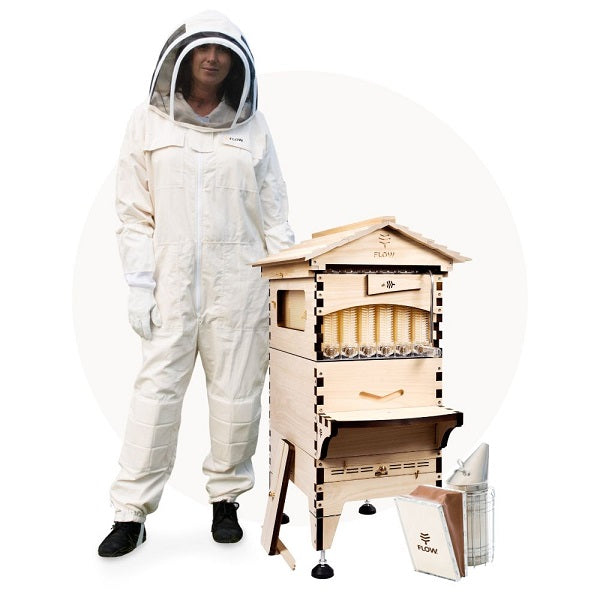
Starting a new apiary requires specific hardware and consumables. The initial investment covers the physical hive structure, protective gear, and the living colony itself. Costs vary by region and supplier, but a single-hive setup typically ranges from $800 to $1,200. This estimate includes the hive body, frames, foundation, protective clothing, and a package of bees. Adding a second hive generally reduces the per-hive cost due to shared tools and equipment.
Essential Hardware
The hive structure serves as the foundation for the colony. A standard Langstroth hive consists of stacked boxes, frames, and a bottom board. Frames hold the wax foundation where bees build comb. The hive tool is necessary for prying apart boxes sealed with propolis. Protective equipment, including a veil and gloves, is mandatory for safe handling. These items protect the beekeeper from stings and allow for calm hive inspections.
Consumables and Live Stock
The living colony is the core of the operation. Beginners typically purchase a mated queen and a pound of worker bees in a screened package. This package is installed into the prepared hive. Feed, usually sugar syrup or fondant, is provided to help the colony establish itself. Bees require significant energy to build comb and store honey during their first few weeks. Without supplemental feeding, the colony may struggle to survive its initial season.
First-Year Checklist
| Item | Purpose |
|---|---|
| Hive body and lid | Main structure for the colony |
| Frames and foundation | Base for honeycomb construction |
| Protective suit and veil | Safety during inspections |
| Hive tool | Opening boxes and removing debris |
| Package of bees | The living colony |
| Sugar syrup or fondant | Initial food source |
| Feeder | Delivering supplemental feed |
This checklist covers the basic requirements for a first-year beekeeper. Additional items, such as a smoker or hive stand, are useful but not strictly essential for the initial setup. Costs for these items are often included in the total estimate for a complete starter kit.
Natural Beekeeping Techniques
Natural beekeeping methods prioritize hive resilience by working with the colony’s inherent defenses rather than relying on synthetic chemical interventions. This approach focuses on managing pests and diseases through physical manipulation and environmental management, reducing the risk of chemical residues in honey and wax. While synthetic treatments offer immediate results, they can lead to resistance and long-term hive health issues. Natural methods require more active management but support a more sustainable apiary ecosystem.
Drone Brood Removal
Drone brood removal is a targeted technique for controlling Varroa destructor mites. Since Varroa mites prefer to reproduce in drone brood cells, removing frames containing capped drone brood eliminates a significant portion of the mite population. This method is most effective when performed during the spring and summer months when drone brood production is high. The removed frames are typically frozen to kill the mites before disposal. This technique reduces the need for chemical miticides and helps maintain a lower overall mite load in the hive.
Wax Moth Management
Wax moths are a common pest that can destroy honeycomb and weaken colonies, particularly in hives that are not strong enough to defend themselves. Natural management focuses on maintaining strong, populous colonies that can out-compete and evict wax moths. Regular hive inspections and timely removal of moth larvae and cocoons are essential. In weak hives, reducing the entrance size can help bees better defend against invaders. Avoiding the accumulation of unused comb in storage areas also prevents wax moth infestations from spreading to active hives.
Minimal Chemical Interventions
The principle of minimal chemical intervention involves using treatments only when necessary and choosing the least disruptive options available. This includes using organic acids like oxalic acid or formic acid, which break down naturally and leave minimal residue. Treatments are timed to coincide with periods of low brood production to maximize effectiveness. Regular monitoring of mite levels ensures that interventions are data-driven rather than routine. This cautious approach helps preserve the hive’s natural microbiome and prevents the development of chemical-resistant mite strains.
Seasonal hive management steps
Managing a honeybee colony requires adherence to a strict annual cycle. This timeline outlines the essential husbandry tasks for the first year, from initial installation through winter preparation. The following steps are based on general beekeeping practices documented by agricultural extension services and scientific beekeeping resources.
Install nucleus colonies or package bees in early spring when temperatures consistently exceed 55°F. Conduct an initial inspection within 7–10 days to confirm the queen is present and laying eggs. Supplement with sugar syrup if natural nectar flows have not yet begun, ensuring the colony has sufficient energy for brood rearing.
Monitor brood patterns and add supers or frames as the colony expands. Ensure adequate ventilation and space to prevent swarming behavior. Inspect for signs of disease or pest infestations, such as Varroa mites, which are most prevalent during rapid population growth.
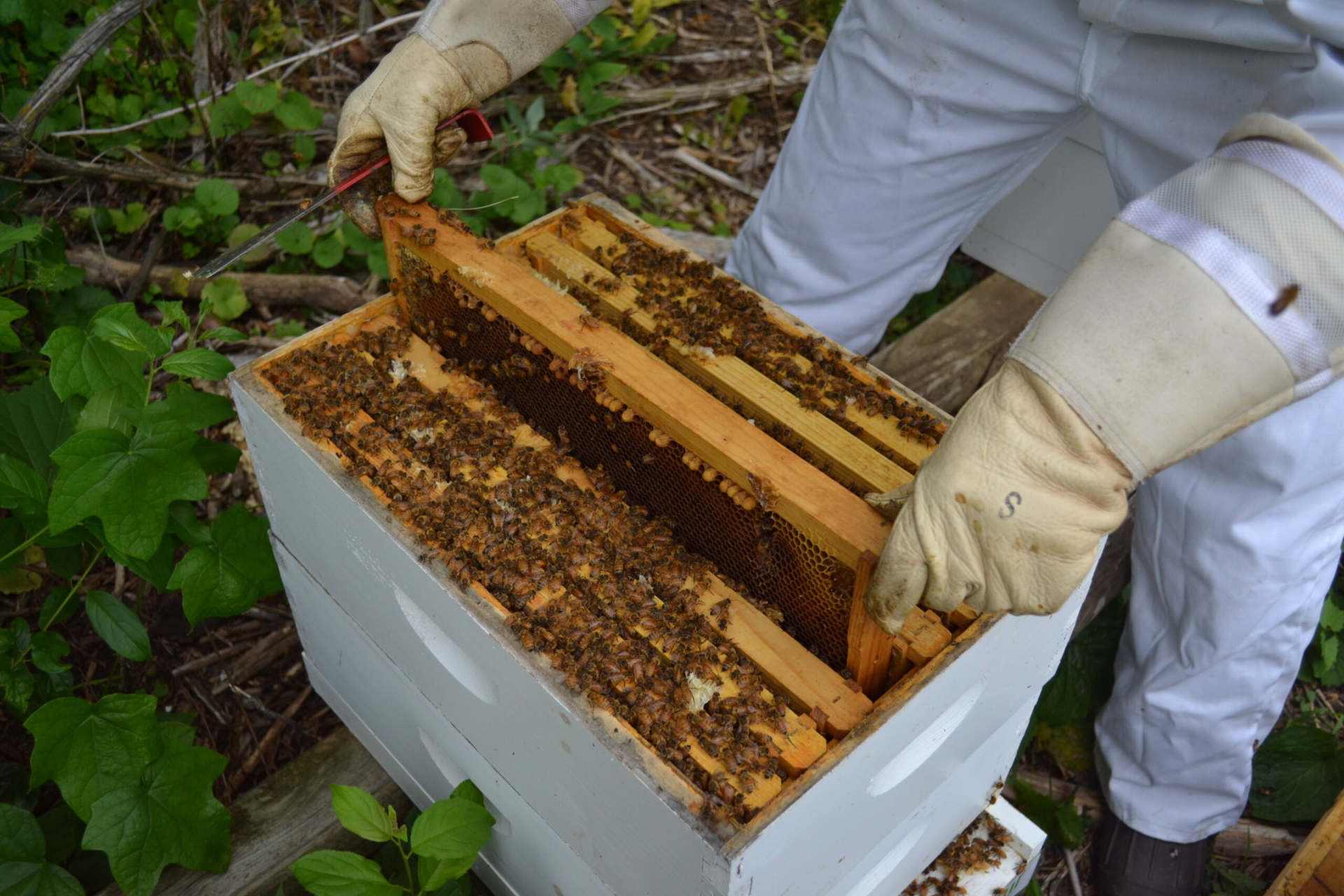
Perform regular hive checks to manage temperature and humidity. Remove honey supers once they are 80% capped to harvest surplus honey. Continue monitoring for pests and diseases, applying treatments only if thresholds are exceeded according to local regulations.
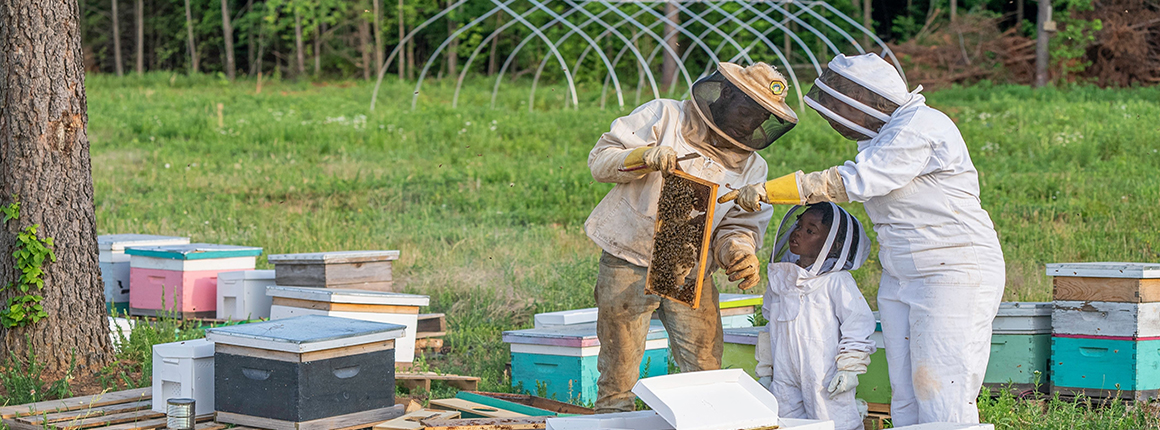
Evaluate colony strength and provide supplemental feeding with heavy syrup or fondant if stores are insufficient. Treat for Varroa mites if necessary, as untreated colonies often fail to survive winter. Ensure the hive has adequate insulation and wind protection.
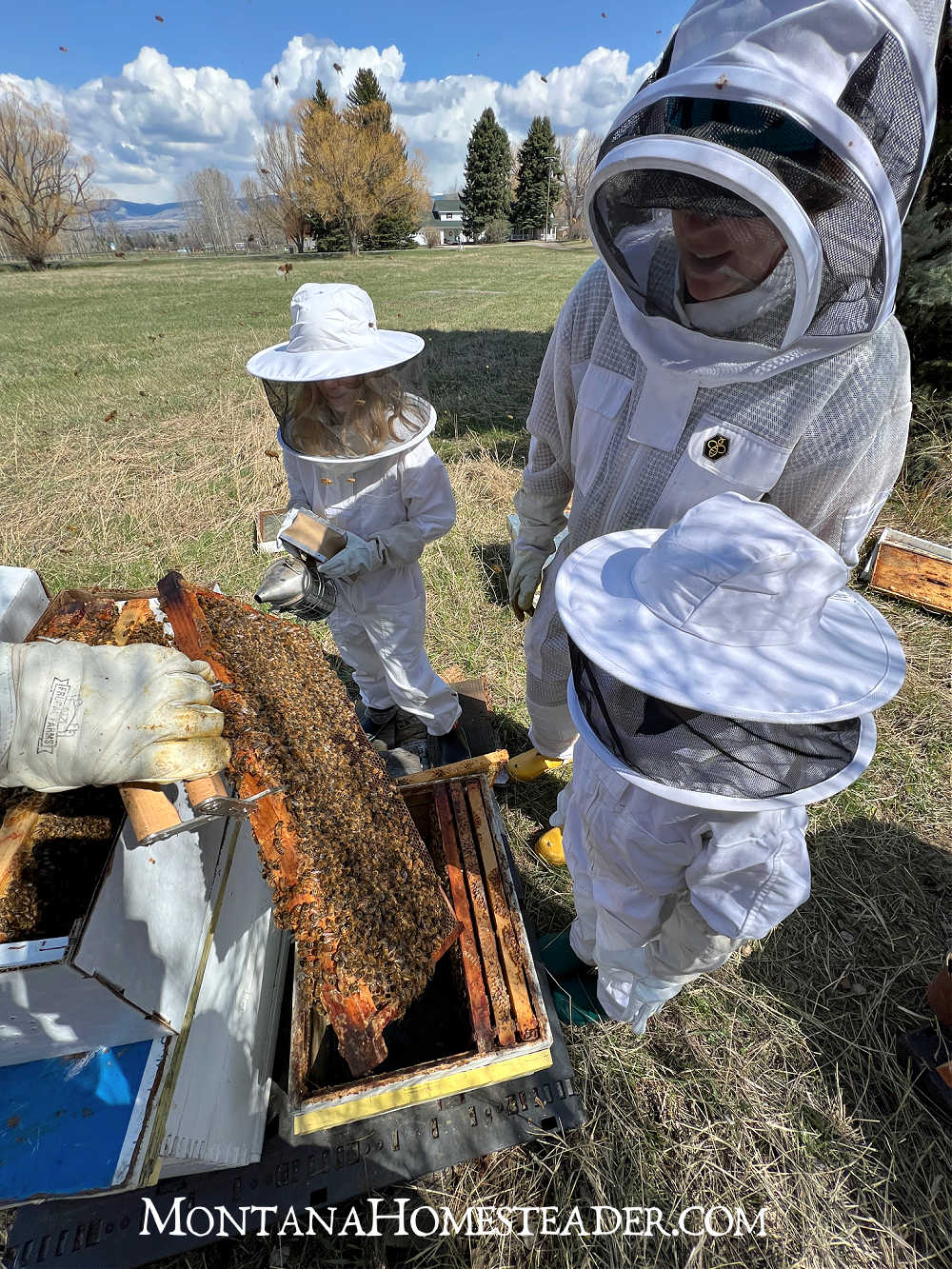
Limit hive inspections to avoid disrupting the winter cluster. Check external signs of activity, such as dead bee removal, to ensure colony health without opening the hive. Ensure ventilation is maintained to prevent condensation buildup inside the hive.
This sequence represents a standard operational framework. Local conditions, weather patterns, and specific regulatory requirements may necessitate adjustments to this timeline. Always consult your state department of agriculture or local beekeeping association for jurisdiction-specific guidance.
Common beginner beekeeping: what to check next
This section addresses frequent inquiries regarding legal compliance, startup costs, and natural maintenance. The information provided is for educational purposes only and does not constitute legal advice. Always consult your state agriculture department and local municipal codes for binding regulations.
What are the legal requirements for starting a hive?
Beekeeping regulations vary significantly by jurisdiction. Many municipalities require registration with the county apiary inspector or state department of agriculture. Some areas impose zoning restrictions or distance requirements from property lines. Check local ordinances before purchasing equipment to ensure compliance with nuisance and safety laws.
How much does it cost to start beekeeping?
Initial investment typically ranges from $1,000 to $1,500 for one or two hives, respectively. This estimate includes essential equipment, protective gear, bees, and feed. Costs may vary based on supplier pricing and regional availability. Budgeting for annual maintenance and replacement parts is also necessary for long-term sustainability.
How do I manage pests naturally?
Natural mite control often involves mechanical methods such as drone brood removal or screened bottom boards. Some beekeepers use organic acids like oxalic or formic acid, which are approved for organic certification. Regular monitoring is essential to determine treatment timing. Always follow label instructions and local regulations for any treatment applied to your hive.
No comments yet. Be the first to share your thoughts!