
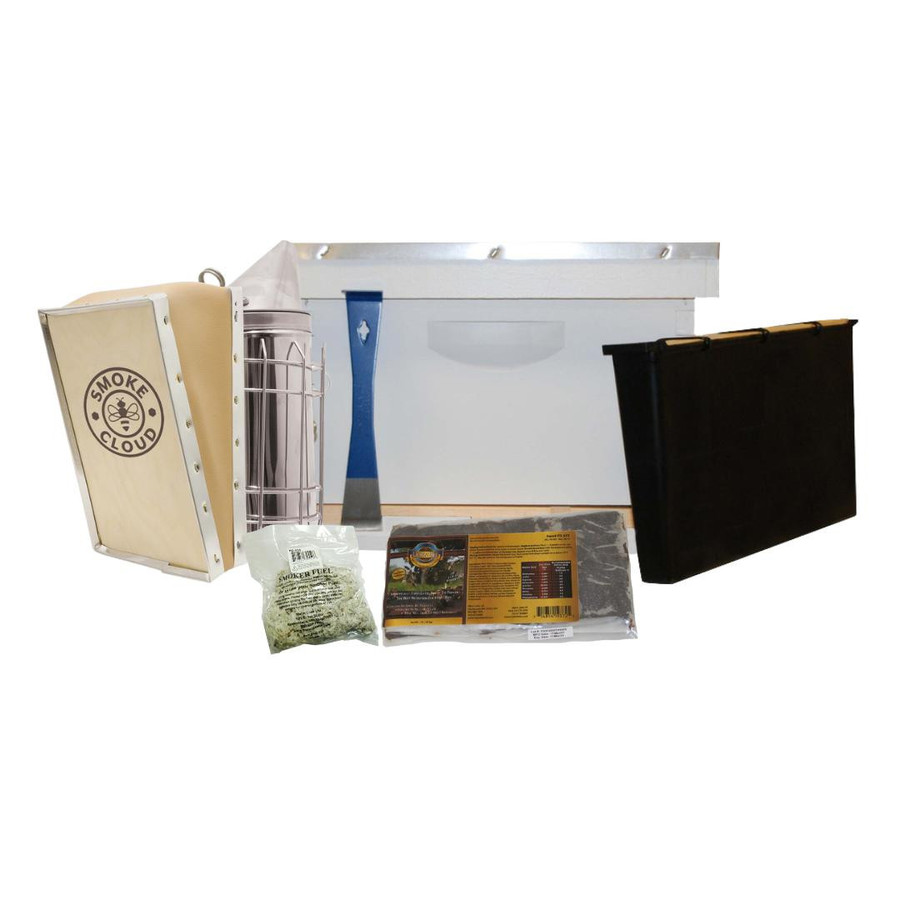

Calculate your total startup investment
Before buying your first hive, it helps to see the full picture of what beekeeping costs. The price tag changes based on how many hives you want to start with, the type of equipment you choose, and the local regulations in your area.
Think of your startup budget like a foundation: you need the right tools and legal permissions before you can build anything stable. A single hive might seem affordable on its own, but adding protective gear, basic tools, and initial bee packages quickly adds up. Starting with two hives often makes more sense for hobbyists, as the extra hive acts as a buffer against failure and allows for easier management tasks like swapping frames.
Use the calculator below to estimate your specific expenses. It factors in common costs for beginner setups, including hive bodies, frames, bees, protective clothing, and essential tools. Adjust the numbers to match your local prices or specific preferences.
Compare hive types and equipment costs
Use this section to make the Beekeeping Costs decision easier to compare in real life, not just on paper. Start with the reader's actual constraint, then separate must-have requirements from details that are merely nice to have. A practical choice should survive normal use, maintenance, timing, and budget. If a recommendation only works in an ideal situation, call that out plainly and give the reader a fallback path.
| Factor | What to check | Why it matters |
|---|---|---|
| Fit | Match the option to the primary use case. | A good deal still fails if it does not fit the job. |
| Condition | Verify age, wear, and service history. | Hidden condition issues erase upfront savings. |
| Cost | Compare purchase price with likely upkeep. | The cheapest option is not always the lowest-cost option. |
Essential protective gear and tools
Use this section to make the Beekeeping Costs decision easier to compare in real life, not just on paper. Start with the reader's actual constraint, then separate must-have requirements from details that are merely nice to have. A practical choice should survive normal use, maintenance, timing, and budget. If a recommendation only works in an ideal situation, call that out plainly and give the reader a fallback path.
The simplest way to use this section is to write down the must-have criteria first, then compare each option against those criteria before weighing nice-to-have features.
Check local zoning and apiary laws
Use this section to make the Beekeeping Costs decision easier to compare in real life, not just on paper. Start with the reader's actual constraint, then separate must-have requirements from details that are merely nice to have. A practical choice should survive normal use, maintenance, timing, and budget. If a recommendation only works in an ideal situation, call that out plainly and give the reader a fallback path.
-
Verify the basicsConfirm the core specs, condition, and fit before comparing extras.
-
Price the downsideLook for the repair, maintenance, or replacement cost that would change the decision.
-
Compare alternativesCheck at least two comparable options before treating one listing as the benchmark.
Budget for bees, feed, and mite control
Use this section to make the Beekeeping Costs decision easier to compare in real life, not just on paper. Start with the reader's actual constraint, then separate must-have requirements from details that are merely nice to have. A practical choice should survive normal use, maintenance, timing, and budget. If a recommendation only works in an ideal situation, call that out plainly and give the reader a fallback path.
The simplest way to use this section is to write down the must-have criteria first, then compare each option against those criteria before weighing nice-to-have features.
Frequently asked questions about costs
Helpful gear
Use these product recommendations as a starting point, then choose the size, material, and price point that fit how you actually use the gear.


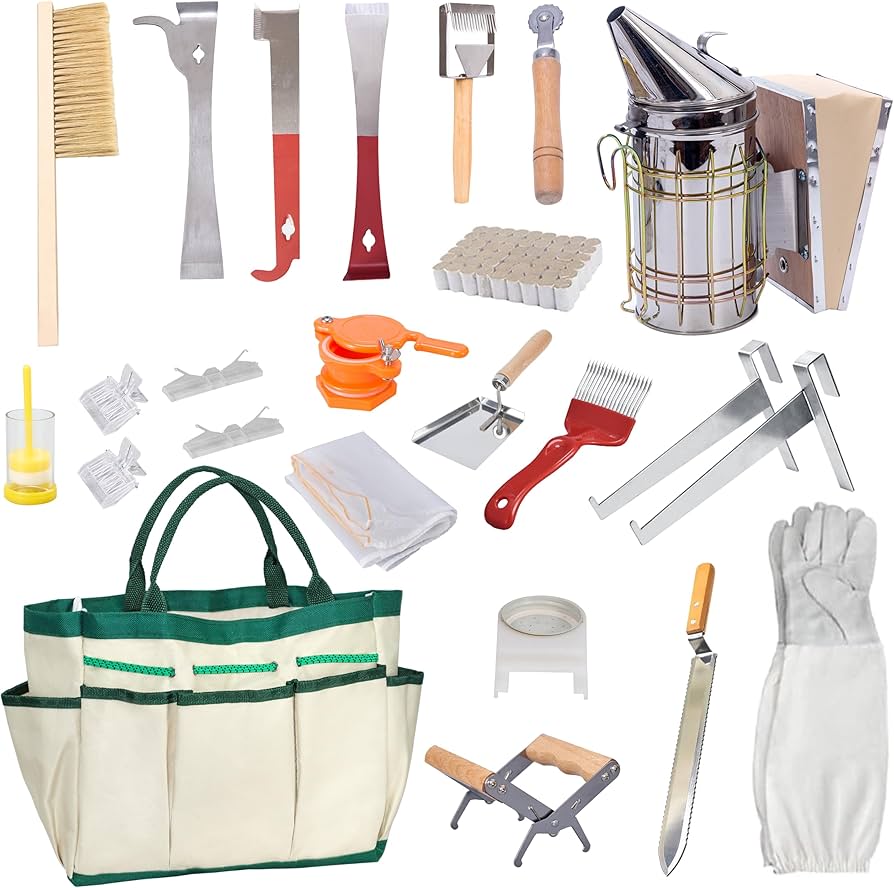
As an Amazon Associate, we may earn from qualifying purchases.
No comments yet. Be the first to share your thoughts!