

Beekeeping in 2026
Interest in beekeeping is high for 2026. Most new keepers I talk to are less interested in honey production and more focused on pollinator health. It is a practical response to habitat loss, but it requires more than just setting up a box and walking away.
Unfortunately, bees continue to face significant challenges. Colony Collapse Disorder remains a threat, alongside habitat loss and pesticide use. The price of essential beekeeping supplies has also been steadily rising. This makes a well-curated beekeeping starter kit more valuable than ever, offering a cost-effective way to get started and manage initial expenses. It’s a way to control costs and ensure you have everything you need.
Supporting local bee populations is becoming increasingly important. Many beekeepers are choosing to source bees locally and focus on breeding stock that is adapted to their region. This helps to maintain genetic diversity and improves the resilience of bee colonies. The push for sustainable beekeeping is driving innovation in equipment and techniques, and we’re seeing a growing demand for eco-friendly options.
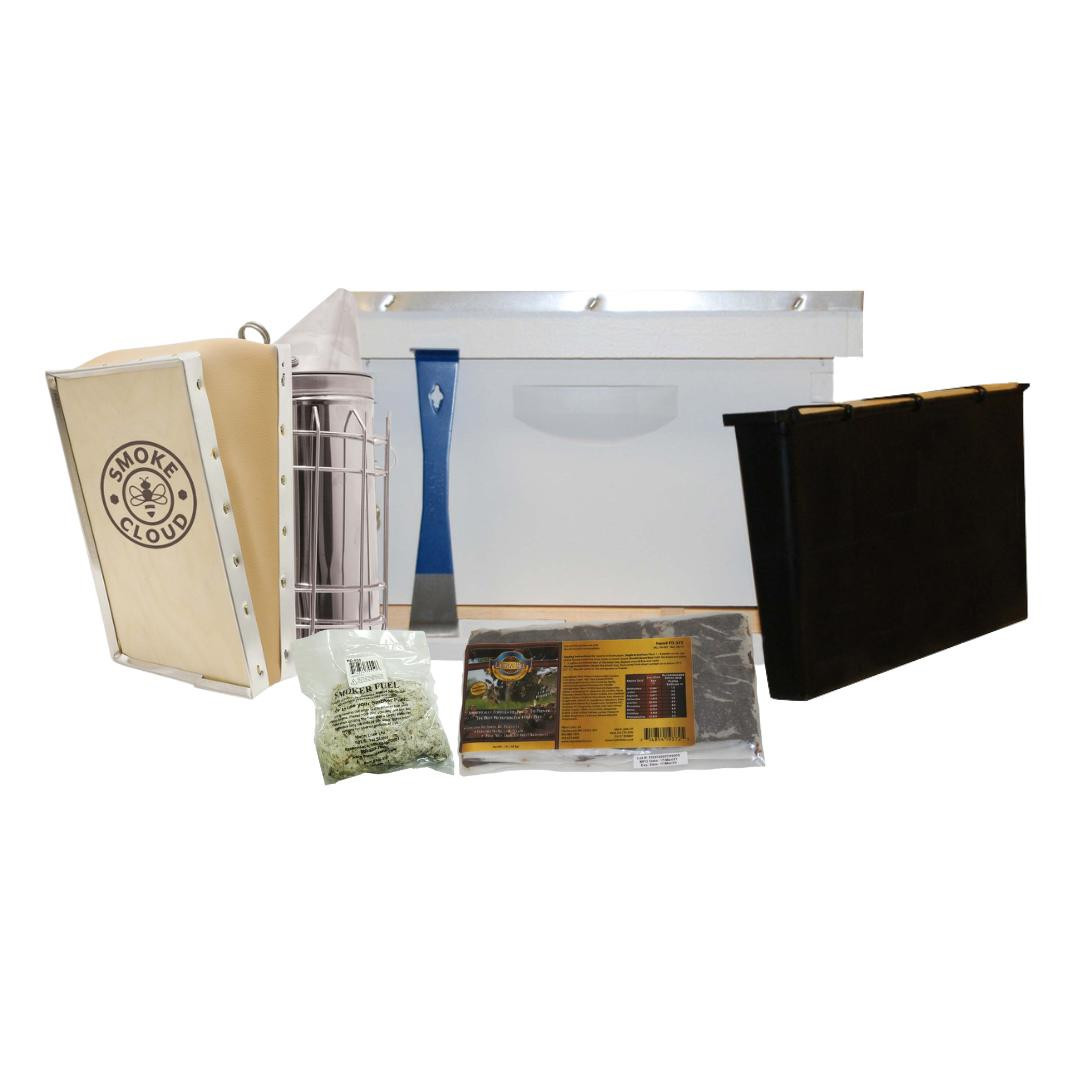
What comes in a starter kit
A starter kit is meant to be a shortcut, but the contents vary wildly between brands. Most are built around the Langstroth hive—those vertical wooden boxes you see in fields. They are popular because you can stack them as the colony grows.
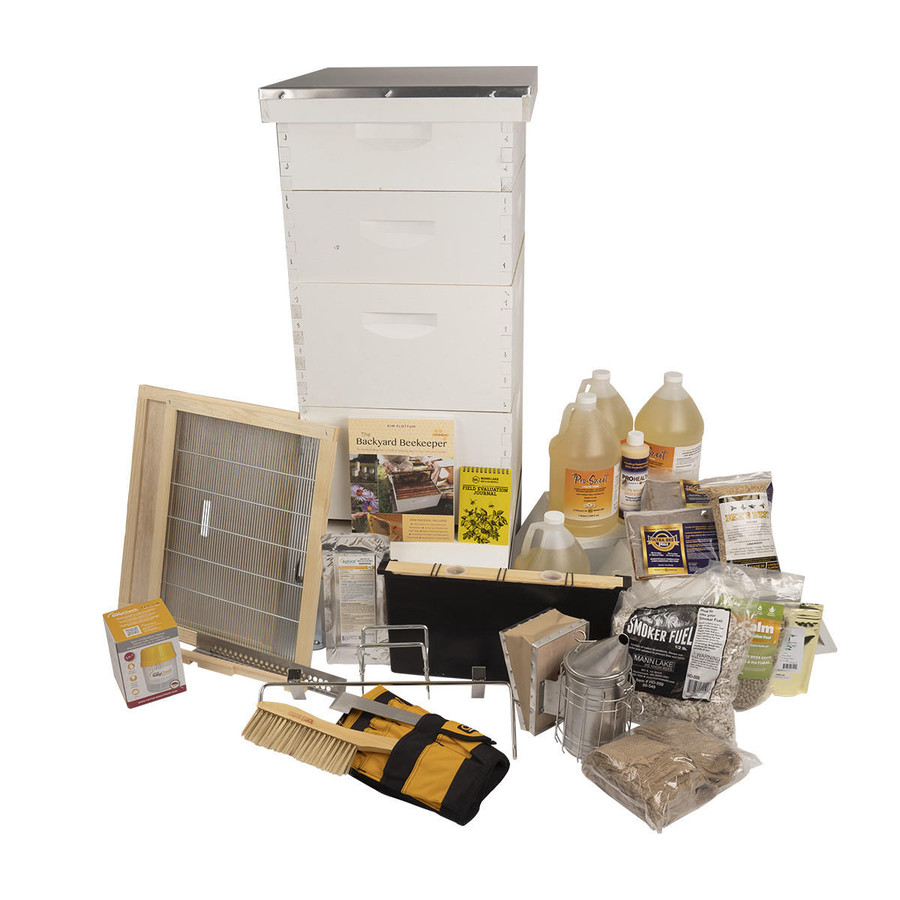
Typical kits will include a hive body (the main box where the bees live), frames (the wooden structures bees build their honeycomb on), foundation (wax or plastic sheets that guide the bees’ comb building), a bottom board, an inner cover, and an outer cover. You’ll also find essential tools like a smoker (used to calm the bees), a hive tool (for prying apart hive components), and a bee brush (for gently removing bees). Protective gear – a veil, jacket, or full suit – is also standard.
However, don't assume a kit has everything. Many kits don't include a queen bee, and you’ll need to purchase one separately. You might also need to buy a feeder, especially when starting out, and some kits don't include these. Consider the quality of the wood used in the hive components; cheaper kits may use lower-grade wood that doesn’t hold up well over time. Always check the details carefully before purchasing.
Top 7 Beekeeping Starter Kits for 2026
Choosing the right starter kit can feel overwhelming, so we’ve compiled a list of seven top contenders for 2026. These kits represent a range of price points and features, catering to different needs and experience levels. Prices are approximate and may vary.
1. Mann Lake Complete Hive Kit: (Around $250 - $350) This is a popular choice for beginners, offering a complete Langstroth hive with all the essential components. Mann Lake is a reputable brand known for quality. Users praise its ease of assembly and durability. It doesn’t include a bee package, which is common.
2. Bee Simply Beginner Beekeeping Kit: (Around $280 - $400) Our own kit focuses on sustainable materials and includes beeswax-coated foundation. It's designed with the beginner in mind, offering clear instructions and high-quality components. Customers appreciate the eco-friendly focus and the comprehensive support resources.
3. Dadant & Sons Complete Hive Kit: (Around $275 - $375) Dadant is another well-established brand in the beekeeping world. Their complete hive kit is a solid option, offering a good balance of quality and affordability. It includes everything needed to get started, but some users have noted the instructions could be clearer.
4. Flow Hive 2+ Classic Complete: (Around $399 - $499) This kit introduces the Flow Hive technology, which allows you to harvest honey without disturbing the bees. It’s a more expensive option, but it simplifies honey extraction. Reviews are mixed; some love the convenience, while others find it more complex than traditional methods.
5. VIVO Complete Beekeeping Hive Kit: (Around $200 - $300) A more budget-friendly option, this kit provides a basic Langstroth hive with essential components. It's a good choice for those who are just starting out and want to keep costs down. Quality is decent for the price, but it may not be as durable as more expensive kits.
6. Hoodmanz Complete Beekeeping Kit: (Around $230 - $330) This kit is often praised for its comprehensive nature and includes a good selection of tools. It uses pre-assembled frames which some beekeepers find convenient. It’s a solid option for beginners who want a kit that’s ready to go.
7. Betterbee Basic Hive Kit: (Around $260 - $360) Betterbee is known for high-quality beekeeping supplies. Their basic hive kit offers a reliable and durable option for beginners. It includes all the essential components and is easy to assemble. Their customer service is also highly rated.
Featured Products

31-piece beekeeping tool set · Includes protective bee suit (XL) · Essential tools for beginners
This kit offers a complete set of tools and protective gear at an accessible price point, making it an excellent value for aspiring beekeepers.

10-frame hive with 2 layers · 100% beeswax coated construction · FSC certified materials
This eco-friendly hive is coated in natural beeswax and constructed with FSC-certified materials, appealing to beekeepers prioritizing sustainability and natural hive environments.
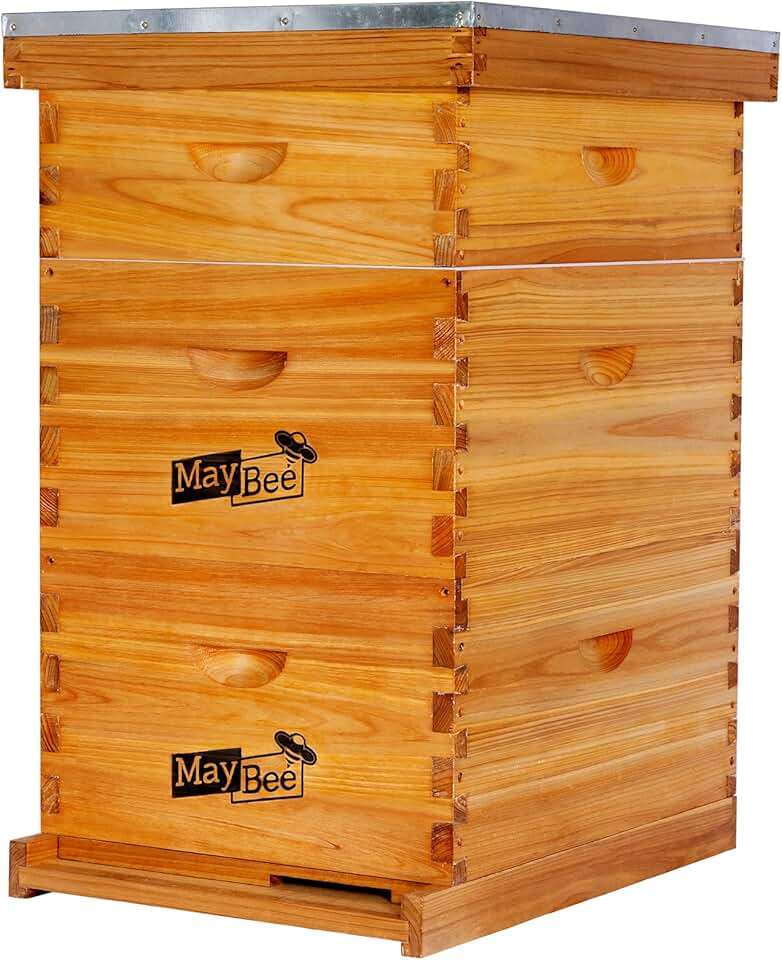
Langstroth 10-frame design · Dipped in 100% beeswax · Includes 2 deep boxes and 1 super
The full beeswax dipping offers superior weather resistance and a natural hive environment, making this a durable and eco-conscious choice for long-term beekeeping.
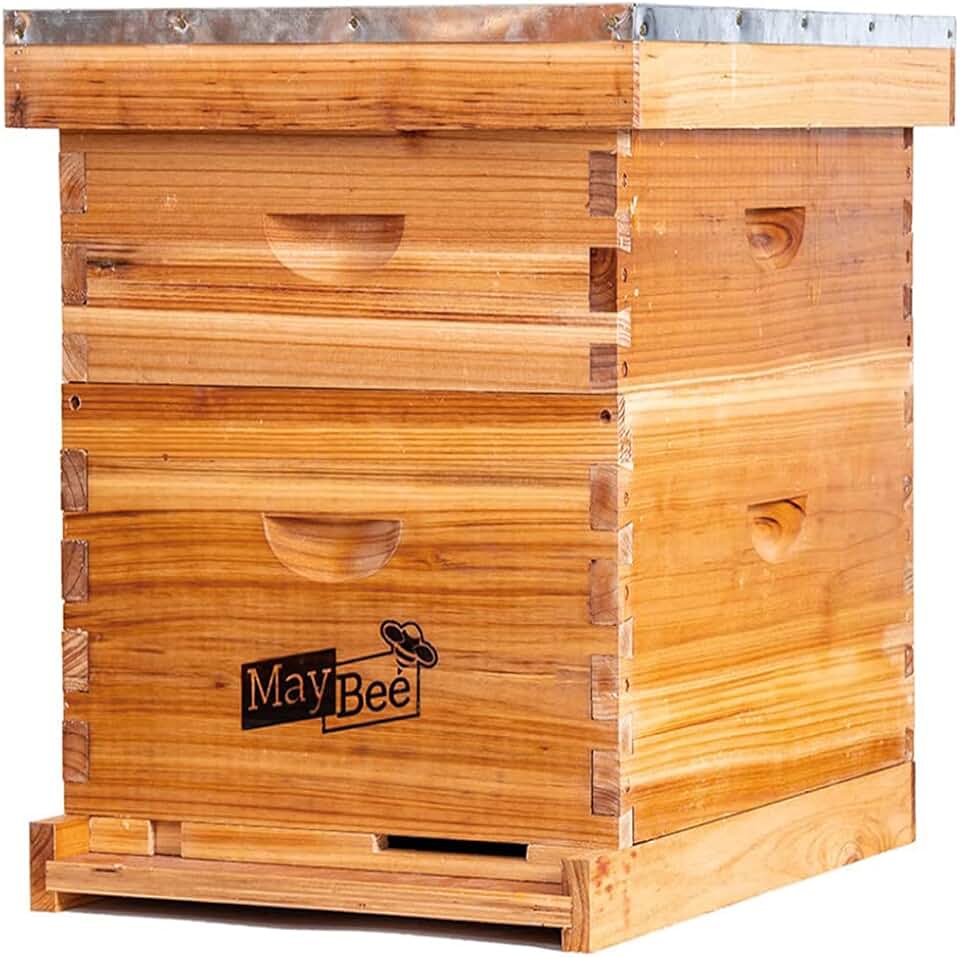
10-frame hive setup · Includes 1 deep brood box and 1 super box · Comes with frames and foundations
This kit offers a fundamental and cost-effective 10-frame hive setup, ideal for beginners who want to start with the essential components for a functional colony.
31-piece beekeeping tool set · Includes protective bee suit (XL) · Essential tools for beginners
This kit offers a complete set of tools and protective gear at an accessible price point, making it an excellent value for aspiring beekeepers.
As an Amazon Associate I earn from qualifying purchases. Prices may vary.
The shift toward eco-friendly gear
The demand for sustainable beekeeping equipment is on the rise. Beekeepers are increasingly aware of the environmental impact of their practices and are seeking out eco-friendly alternatives. This includes choosing hives made from sustainably sourced wood, using organic pest control methods, and opting for natural foundation materials.
We’re seeing more kits that include beeswax-coated foundation, which is a natural and bee-friendly alternative to plastic foundation. Some manufacturers are also using recycled plastics in their hive components. At Bee Simply, we are committed to offering a range of eco-friendly beekeeping supplies, including sustainably harvested wood hives and organic pest control solutions.
Natural beekeeping practices, such as avoiding harsh chemicals and supporting biodiversity, are also gaining popularity. These practices aim to work with the bees rather than against them, promoting their health and wellbeing. Choosing an eco-friendly kit is a great way to support these principles and contribute to a more sustainable beekeeping future.
Protective gear and safety
Protecting yourself from stings is crucial when working with bees. A good bee suit is an essential piece of beekeeping equipment. There are three main types: full suits, jackets, and veils. Full suits offer the most complete protection, covering your entire body. Jackets cover your upper body and arms, while veils protect your face and neck.
Material choices impact breathability and sting protection. Cotton suits are comfortable but can be less sting-resistant. Synthetic blends offer better protection but may not be as breathable. Consider the climate you’ll be beekeeping in when choosing a material. Proper fit is also critical; a loose-fitting suit can allow bees to enter.
Ventilated suits are the best option if you live anywhere with a real summer. They use layers of mesh to keep the fabric off your skin so bees can't reach you, even if they land on the suit. I recommend thick goatskin gloves; they are flexible enough to feel the frames without being too thin.
Beekeeping Suit Material Comparison
| Material | Sting Protection | Breathability | Durability | Washability |
|---|---|---|---|---|
| Cotton | Medium | High | Low | High |
| Polyester | Medium | Low | Medium | High |
| Canvas | High | Low | High | Medium |
| Ventilated Mesh | Medium | High | Medium | Medium |
| Cotton/Polyester Blend | Medium | Medium | Medium | High |
| Canvas/Polyester Blend | High | Low | High | Medium |
Illustrative comparison based on the article research brief. Verify current pricing, limits, and product details in the official docs before relying on it.
Beyond the Kit: Essential Extras
A starter kit gets you going, but beekeeping requires ongoing investment. You’ll eventually need honey extraction equipment, such as an extractor, uncapping knife, and honey buckets. Feeders are essential for providing supplemental food to your bees, especially during times of dearth. Medications may be necessary to treat common bee diseases.
Winterizing supplies, like hive wraps and moisture quilts, are also important for protecting your bees during the cold months. Don’t forget about record-keeping materials – a notebook or beekeeping journal is a great way to track your hive’s progress. You can find more resources on these topics on the Bee Simply website.
Beekeeping is a continuous learning process. Consider joining a local beekeeping association or finding a mentor who can provide guidance and support. Beekeeping is rewarding, but it takes dedication, knowledge, and ongoing investment. It’s a journey, not just a purchase.
No comments yet. Be the first to share your thoughts!