

2026 Regulatory Changes for New Beekeepers
The beekeeping landscape is shifting as state and local jurisdictions implement stricter oversight for hobbyist and commercial operations. For new beekeepers purchasing a hive kit, understanding these 2026 regulatory updates is as critical as selecting the right equipment. Compliance is no longer optional; it is a prerequisite for maintaining a legal apiary.
Hive Registration and ID Requirements
Several states have updated their agricultural codes to mandate formal registration for all hives, regardless of size. In 2026, the threshold for "backyard" exemptions has been lowered in many jurisdictions. Beekeepers must now register their hives with the state department of agriculture, often requiring a unique hive identification number. This system aids in disease tracking and allows apiarists to receive timely alerts about local pest outbreaks or pesticide applications. Failure to register can result in fines or the forced removal of colonies.
Zoning and Setback Distances
Municipal zoning laws are increasingly restricting where hives can be placed on residential and semi-rural properties. New ordinances in 2026 often specify minimum setback distances between hives and property lines, neighboring dwellings, or public rights-of-way. Some areas now require "flying barriers," such as tall fences or dense hedgerows, to redirect bee flight paths above neighbor eye level. Before installing your hive kit, verify local zoning codes to ensure your placement does not violate these new spatial requirements.
Colony Health Reporting
Health reporting protocols have tightened significantly. Beekeepers are now expected to report suspicious colony losses or signs of invasive pests, such as the Varroa mite or small hive beetle, within a specified window. This data is crucial for state-level disease management strategies. Official sources recommend checking your state’s agricultural extension website for the specific reporting forms and deadlines applicable to your region.
Comparing top beekeeping starter kits
Selecting the right beekeeping starter kit requires evaluating frame compatibility, material durability, and included accessories. The market offers several established providers, each catering to beginners with distinct configurations. This comparison focuses on Mann Lake, Betterbee, and Flow Hive as of 2026, highlighting how their offerings align with standard Langstroth practices or innovative harvesting methods.
Mann Lake and Betterbee represent the traditional approach, providing comprehensive kits that include hive bodies, frames, foundations, and essential tools. These kits prioritize compliance with standard apiary equipment specifications, ensuring compatibility with replacement parts available nationwide. Mann Lake’s kits are designed for DIY assembly, while Betterbee often offers pre-assembled or partially assembled options for immediate use. Both providers supply protective gear and basic tools, making them suitable for beginners seeking a conventional setup.
Flow Hive introduces a different model, emphasizing harvest convenience over traditional maintenance. Their starter bundle includes the signature Flow Frame system, which allows honey extraction without opening the hive. While this reduces labor, it requires adherence to specific installation and maintenance protocols. Beginners considering this option should note that the initial investment is higher, and the long-term maintenance differs from standard Langstroth hives.
The table below compares key starter kit features from major providers. Data reflects standard 10-frame Langstroth configurations where applicable. Prices are approximate and may vary based on 2026 supply chain conditions and regional availability.
| Provider | Frame Type | Material | Includes Tools | Price Range (USD) |
|---|---|---|---|---|
| Mann Lake | 10-Frame Langstroth | Cedar/Pine | Yes | $250-$400 |
| Betterbee | 10-Frame Langstroth | Cedar/Pine | Yes | $300-$450 |
| Flow Hive | Flow Frame Langstroth | Polymer/Wood | Yes | $1,200-$1,800 |
When evaluating these options, consider your long-term goals. Traditional kits from Mann Lake or Betterbee offer flexibility and lower entry costs, making them ideal for beginners learning standard beekeeping practices. Flow Hive, while more expensive, provides a streamlined harvesting experience, suitable for those prioritizing convenience over traditional maintenance. Always verify local regulations regarding hive types and materials before purchase, as some jurisdictions may have specific requirements for apiary equipment.
Integrating natural beekeeping techniques into starter kits
Starting a colony with a standard Langstroth kit requires specific adjustments to align with natural beekeeping principles. The primary challenge lies in the foundation sheets included in most commercial kits. Traditional plastic or paraffin-coated foundations restrict the bees' ability to build natural comb and can introduce microplastics into the hive environment. To comply with organic standards and support colony health, beekeepers should replace these with wax-coated or foundationless frames.
Wax-coated foundations provide the structural stability beginners need while allowing the bees to draw out natural, chemical-free comb. This method is widely accepted in organic certification programs, provided the wax is sourced from clean, untreated hives. Alternatively, foundationless frames allow bees to build entirely natural comb from scratch. This approach requires more hands-on management but results in stronger, more resilient colonies. When assembling your kit, ensure all wooden components are untreated pine or cedar, as chemical preservatives can harm the bees.
Organic treatment protocols must also be integrated into the initial setup. In 2026, regulatory bodies in the European Union and several U.S. states have tightened restrictions on synthetic miticides. Beekeepers should stock natural alternatives such as oxalic acid vapor or formic acid pads, which are permitted under organic guidelines. These treatments are less persistent in the hive and reduce the risk of resistance building in Varroa mites. Always verify local regulations before purchasing treatment supplies, as compliance requirements vary by jurisdiction.
Finally, consider the placement and orientation of the hive within your starter kit setup. Natural beekeeping emphasizes minimizing disturbance. Position the hive away from high-traffic areas to reduce stress on the bees. Use a solid bottom board or a screened bottom board with a tray for monitoring mites without opening the hive frequently. This passive management style aligns with the goal of working with the bees' natural instincts rather than against them.
Essential supplies checklist for 2026
A beekeeping starter kit serves as the foundational inventory for establishing a hive, but standard inclusions vary significantly by manufacturer and region. For 2026, verifying that all critical components are present is necessary before installation. This guide outlines the standard items required for compliance and operational readiness, ensuring that no essential tool is overlooked during the initial setup.
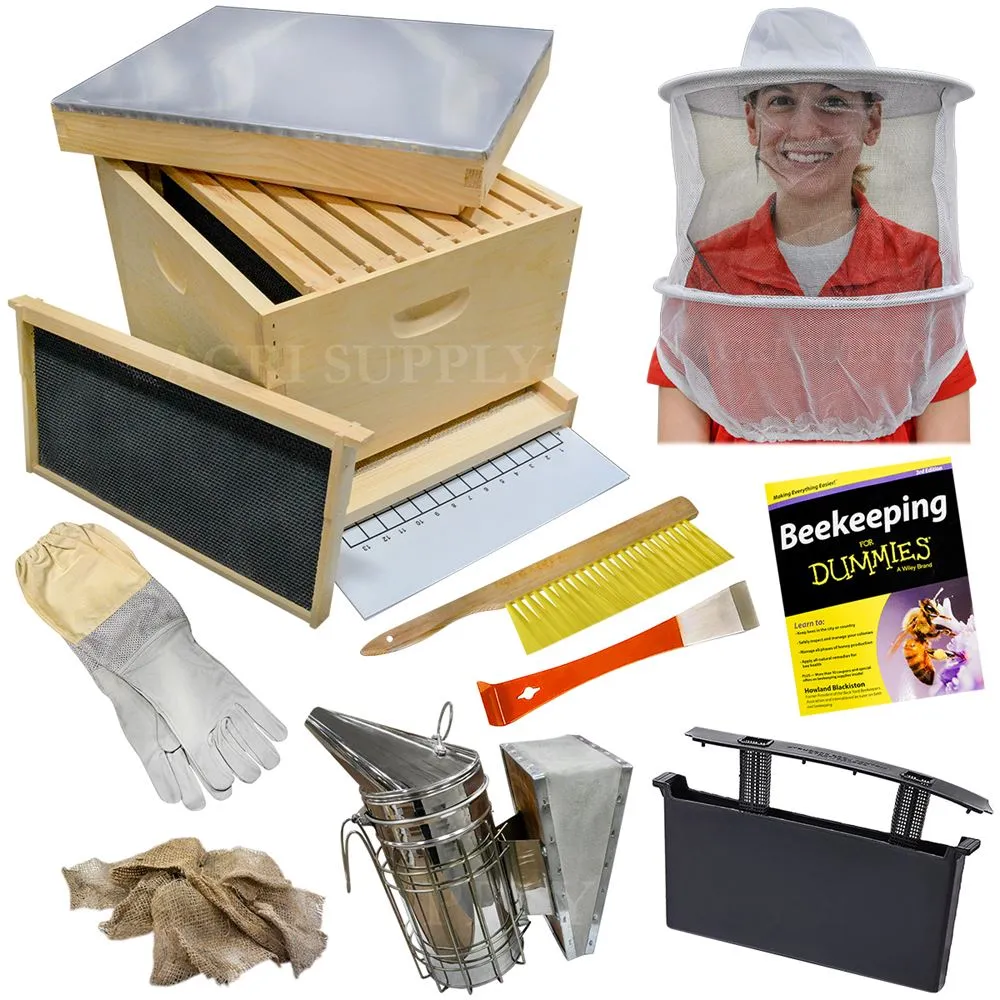
Inspect the woodenware for completeness. A standard kit must include a bottom board, one or two deep brood boxes, a honey super (optional for the first year), a inner cover, and a telescoping outer cover. Ensure all frames are present and that foundation sheets are securely inserted. Missing frames or damaged wood can compromise colony insulation and structural integrity.
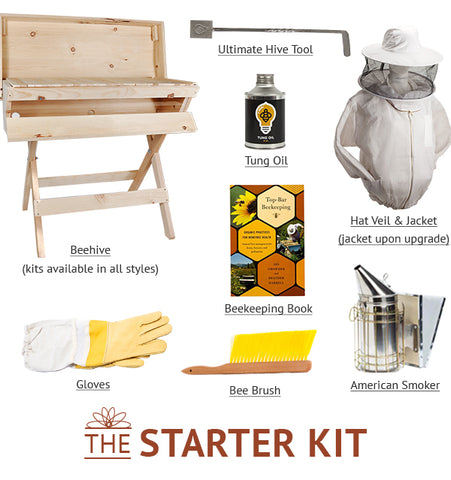
Personal protective equipment (PPE) is mandatory for safe handling. Check for a ventilated veil jacket or full suit, gloves, and a bee smoker. In 2026, many jurisdictions emphasize the use of sealed suits to prevent pesticide exposure and aggressive swarming. Verify that the veil mesh is intact and that the smoker includes a heat-resistant handle and adequate bellows.
The kit should contain a hive tool for prying apart frames sealed by propolis, a hive brush for gently moving bees, and a feeder. The feeder type (e.g., entrance or frame feeder) should match the hive configuration. Some kits include a queen cage or starter candy, which is essential if live bees are not pre-installed in the boxes.
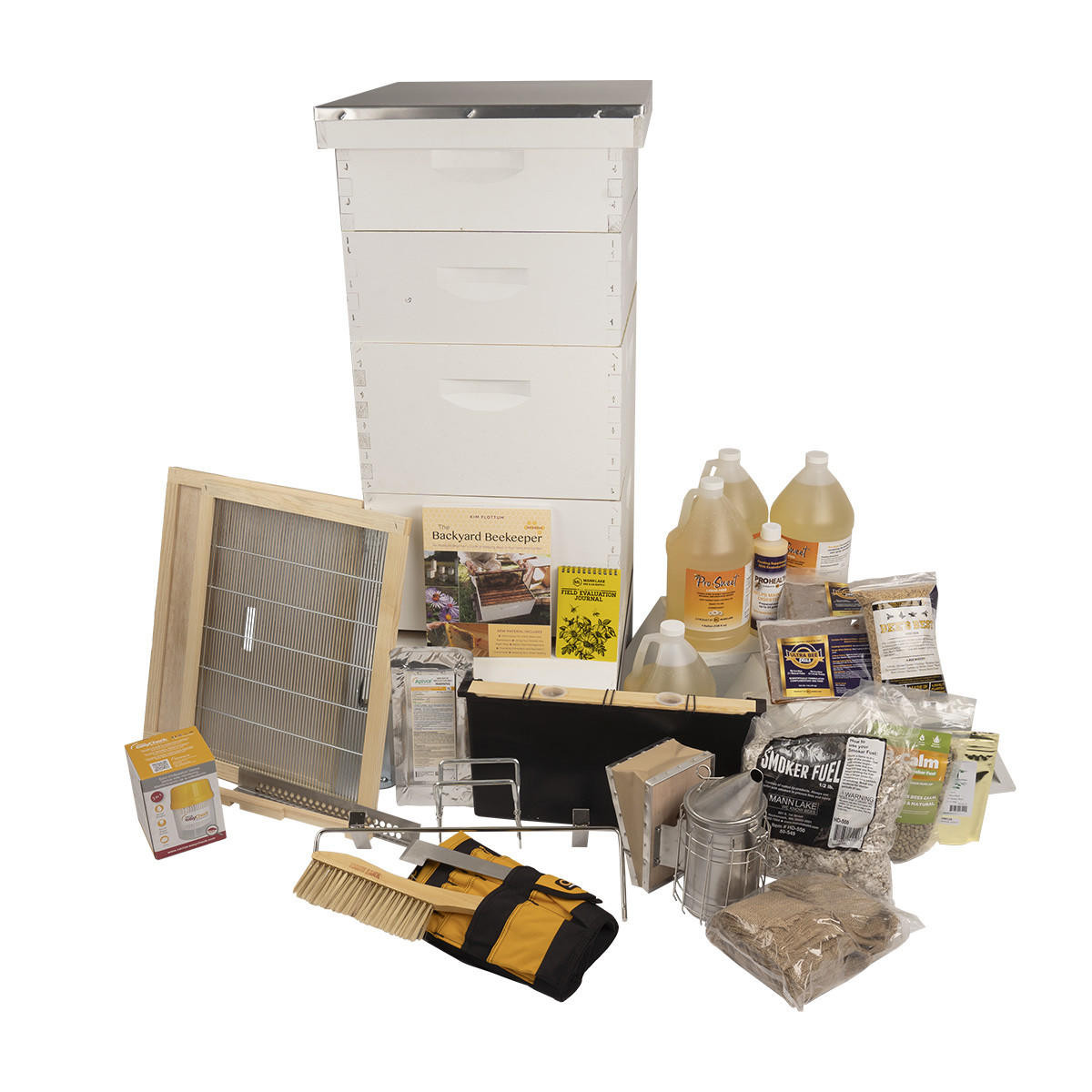
Review the included manuals for assembly instructions and 2026 regulatory updates. Many regions require apiary registration and specific labeling of hives with the owner’s contact information. Ensure the kit documentation references current local ordinances regarding hive spacing and inspection protocols. Failure to register may result in fines or forced removal of the colony.
2026 beekeeping law FAQ
Navigating the regulatory landscape for beekeeping starter kits in 2026 requires attention to local zoning and state-level registration. The following informational summary addresses common compliance questions based on current official guidelines.
No comments yet. Be the first to share your thoughts!