

Beekeeping's Legal Shift: 2026 Updates
Beekeeping regulations are changing significantly, with 2026 marking a key year for updates. Increased interest in urban beekeeping and greater public understanding of bees' ecological importance are prompting states and cities to revise their laws. Clearer, more comprehensive rules are needed to support both bee health and public safety.
The changes aren't just about more rules; they're about modernizing beekeeping to address challenges like Colony Collapse Disorder, pesticide exposure, and the need for sustainable pollination. Regulations are becoming more proactive, emphasizing responsible practices and prevention. Florida, for instance, has implemented beekeeping agreements between beekeepers and the state, detailing expectations for hive management.
The American Beekeeping Federation’s 2026 objectives focus on continued support for bee health research and advocating for responsible pesticide use. Staying informed about these changing laws is critical for current and aspiring beekeepers. Regulations differ greatly by location, and non-compliance can lead to fines or hive removal.
These changes aim to balance beekeeping benefits like pollination, honey production, and environmental stewardship with risks such as stings and swarms. It's a complex, evolving legal area. Understanding these regulations is the first step to responsible beekeeping.
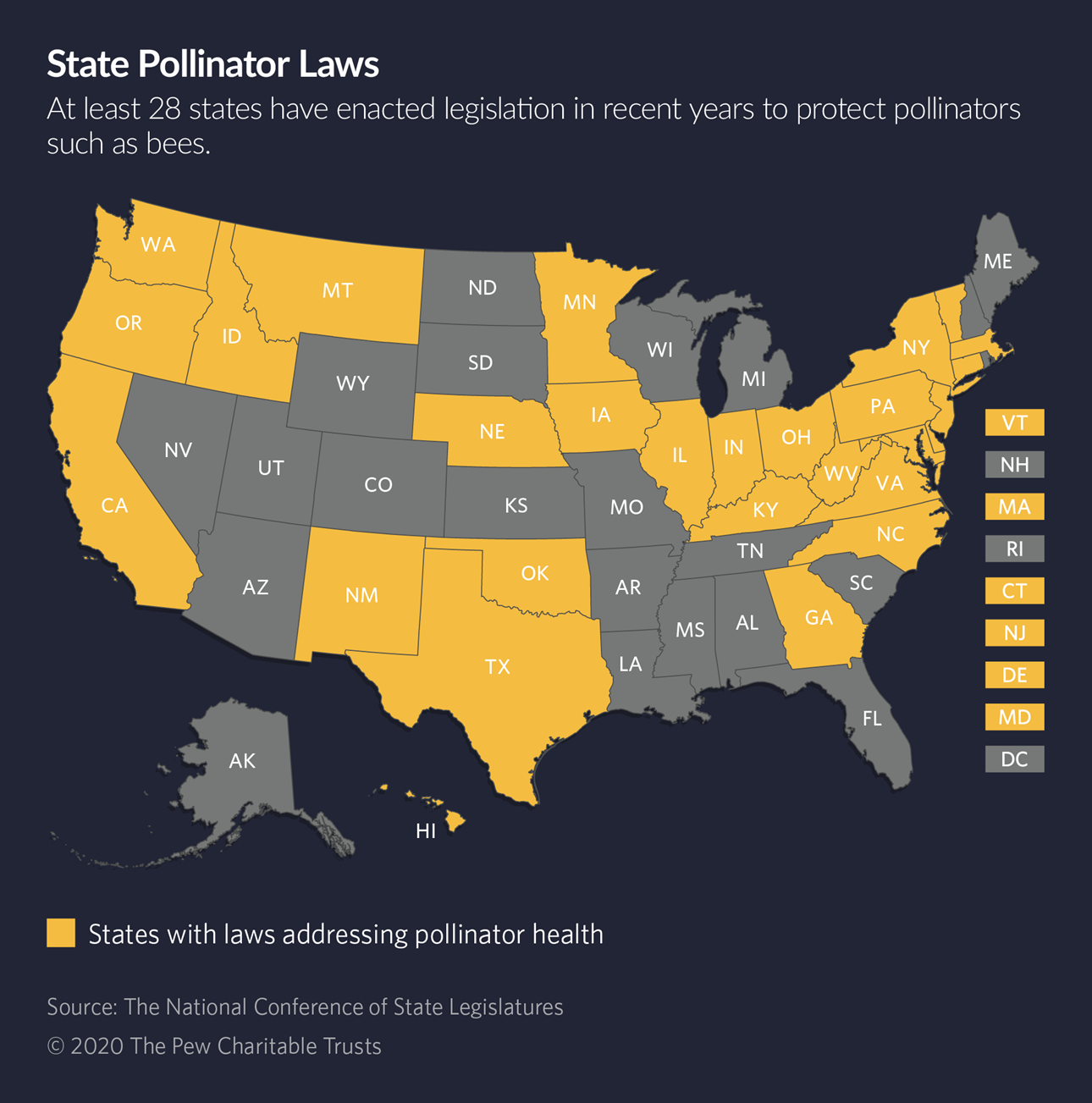
State-by-State Regulations: A Snapshot
Beekeeping laws across the U.S. are diverse, with no single approach fitting all. Regulations range from permissive to highly restrictive. States can be broadly categorized into three groups based on their approach, though specific city ordinances add another layer of complexity.
Permissive states, like Montana and Wyoming, generally have minimal regulations. Registration is often voluntary, with few restrictions on hive placement or density. These states prioritize individual liberty and trust beekeepers to manage hives responsibly, though disease control and reporting requirements may still apply.
Moderately restrictive states, such as North Carolina and Oregon, require hive registration and may have restrictions on hive density and setback distances. Apiary inspection programs monitor bee health and prevent disease spread. These states balance supporting beekeeping with protecting public safety and agricultural interests.
Highly restrictive states, like California and New Jersey, have the most comprehensive regulations. They typically require mandatory hive registration, strict setback distances from property lines and public spaces, and regular apiary inspections. Some states limit the number of hives a beekeeper can maintain. California, for example, has specific regulations for Africanized honey bees and requires beekeepers to prevent swarming.
Registration is common, often with a small annual fee. Setback distances—the required distance between hives and property lines, roads, or buildings—vary widely, from a few feet to hundreds. Apiary inspection protocols also differ; some states conduct routine inspections, while others only inspect hives when complaints arise.
City Ordinances: The Local Level
City beekeeping ordinances can be more challenging than state laws. Cities often enact regulations stricter than state laws to address local concerns like public safety and neighborhood compatibility.
Common city restrictions include bans on beekeeping near schools, parks, or other public spaces. Many cities require beekeepers to provide a water source for their bees, preventing them from using neighbors’ pools or pet bowls. Rules about hive appearance, such as specific paint colors or screening for reduced visibility, are also common.
For instance, New York City allows beekeeping, but requires hives to be registered with the Department of Health and Mental Hygiene and be located at least 50 feet from any property line. Austin, Texas, has a more permissive approach, but still requires beekeepers to register their hives and maintain a water source. On the other hand, some cities, like certain areas within Los Angeles County, have complete bans on urban beekeeping.
It's crucial to thoroughly research your local ordinances before establishing a hive. A good starting point is your city’s planning or zoning department. Don't assume that because beekeeping is legal at the state level, it's automatically permitted in your neighborhood. Ignoring local ordinances can lead to fines, hive removal, and strained relationships with your neighbors.
- City of Austin, TX: Requires hive registration and a water source.
- New York City, NY: Hive registration with the Department of Health and 50-foot setback.
- Los Angeles County, CA (some areas): Complete ban on urban beekeeping.
Urban Beekeeping Regulations in Select Cities (2026)
| City | Beekeeping Permitted? | Registration Required? | Key Regulations | Additional Notes |
|---|---|---|---|---|
| New York City | Conditional | Yes | Limited to specific zones; requires a registered beekeeper course. | Strict guidelines regarding hive placement to minimize public interaction. |
| Chicago | Conditional | Yes | Permitted with a permit; hive density limits apply. | Focus on neighborhood notification and responsible beekeeping practices. |
| Los Angeles | Yes | No | Generally permitted; encourages best management practices. | Emphasis on water source availability and swarm prevention. |
| Seattle | Yes | Yes | Registration and inspection required; hive limits based on lot size. | Strong community beekeeping support and educational resources. |
| Miami | Conditional | Yes | Permitted with restrictions; setbacks from property lines are significant. | Regulations account for the subtropical climate and potential for rapid colony growth. |
| Austin | Yes | No | Generally allowed; encourages responsible beekeeping and swarm control. | Local beekeeping associations are actively involved in education and advocacy. |
| Denver | Conditional | Yes | Permitted with a permit; specific requirements for hive location and water access. | Regulations address altitude and potential impacts on bee foraging. |
Qualitative comparison based on the article research brief. Confirm current product details in the official docs before making implementation choices.
New Regulations for 2026: What’s Changing?
2026 will bring several significant changes to beekeeping laws across the country. Many states are strengthening their hive registration requirements, aiming to create a more comprehensive database of apiaries for disease monitoring and emergency response. This often involves requiring beekeepers to provide GPS coordinates of their hives and update their information annually.
We’re also seeing an increase in inspection frequency. States are recognizing the importance of proactive hive inspections to detect and address diseases like American Foulbrood and Varroa mites before they spread. This means more frequent visits from apiary inspectors, and potentially stricter enforcement of disease control measures. Some states are also adopting new protocols for dealing with Africanized honey bees, focusing on rapid response and hive removal.
Swarm prevention is another key area of focus. Several states are implementing stricter rules about swarm control, requiring beekeepers to take reasonable steps to prevent swarming, such as regular hive inspections and splitting colonies. The rationale behind this is to minimize the risk of swarms causing public concern or posing a danger to people.
Setback distances are also being reevaluated in many areas. Some cities and counties are increasing setback requirements, particularly in densely populated areas, to address concerns about public safety. There's also growing attention to pesticide use near apiaries. Several states are considering regulations to restrict the application of neonicotinoids and other pesticides known to be harmful to bees.
These changes are largely driven by a desire to promote responsible beekeeping practices and protect both bee health and public safety. The goal is to create a sustainable beekeeping industry that benefits everyone. It’s vital to stay abreast of these changes and adjust your beekeeping practices accordingly.
Permitting and Registration: A Step-by-Step
Obtaining the necessary permits and registering your hives is a critical first step. The process varies significantly by location, but here’s a general outline of what you can expect. First, contact your state’s Department of Agriculture or equivalent agency to determine the specific requirements in your area. Many states have online registration portals, making the process relatively straightforward.
The application process typically requires you to provide your contact information, the location of your apiary (often with GPS coordinates), and the number of hives you plan to maintain. You may also need to provide proof of beekeeping education, such as a certificate from a beekeeping course. Some states require you to submit an apiary map showing the layout of your hives and the surrounding area.
Associated fees vary, but typically range from $10 to $50 per hive. Once your application is approved, you’ll receive a permit or registration number that you’ll need to display at your apiary. Remember to renew your registration annually. Ignoring these requirements can result in fines or the removal of your hives.
Here’s a step-by-step guide to help you navigate the process:
1. Research your state and local regulations.
2. Gather required documentation (proof of education, apiary map).
3. Complete the application form.
4. Pay the required fees.
5. Submit your application.
6. Display your permit or registration number.
- Research your state and local regulations.
- Gather required documentation (proof of education, apiary map).
- Complete the application form.
- Pay the required fees.
- Submit your application.
- Display your permit or registration number.
Liability and Neighbor Relations
Beekeeping, while rewarding, does come with potential liability concerns. Stings are the most common issue, and while most people experience only mild discomfort, some individuals can have severe allergic reactions. Swarms can also cause property damage or alarm neighbors. Having adequate insurance is crucial to protect yourself from potential lawsuits.
General liability insurance can provide coverage for stings and other incidents. Some beekeeping associations offer group insurance rates for their members. Beyond insurance, maintaining good relationships with your neighbors is paramount. Open communication can prevent misunderstandings and address concerns before they escalate.
Consider offering your neighbors honey as a gesture of goodwill. Providing a physical barrier, such as a fence or hedge, can also help to create a sense of separation and reduce concerns about stings. Be responsive to your neighbors’ concerns and address any issues promptly. The Florida beekeeping agreement serves as a good model; it emphasizes clear communication and responsible hive management.
Proactive measures, like keeping your hives well-maintained and implementing swarm prevention techniques, can significantly reduce the risk of incidents. A well-managed apiary is less likely to cause problems, and a good relationship with your neighbors will make the entire beekeeping experience more enjoyable.
- Maintain open communication with neighbors.
- Offer honey as a gesture of goodwill.
- Provide a physical barrier (fence or hedge).
- Be responsive to concerns.
- Implement swarm prevention techniques.
Resources: Finding Local Support
Embarking on your beekeeping journey doesn’t have to be a solitary pursuit. A wealth of resources is available to help you succeed. Your state beekeeping association is an excellent starting point, offering educational materials, mentorship programs, and opportunities to connect with other beekeepers. Local beekeeping clubs provide a more localized support network.
Online forums and social media groups can also be valuable sources of information and advice. Bee Simply, of course, offers a comprehensive range of resources, including beginner’s guides, hive types information, and honey processing techniques. Don’t hesitate to reach out to experienced beekeepers for guidance.
Many states and local organizations offer beekeeping classes, ranging from introductory workshops to advanced courses. These classes can provide you with the knowledge and skills you need to manage your hives effectively. Check with your local agricultural extension office or community college for course listings.
Finally, explore potential grant programs or financial assistance available to beekeepers. Some states offer incentives to encourage beekeeping, such as cost-sharing programs for hive equipment or funding for research projects.
- State beekeeping associations
- Local beekeeping clubs
- Online forums and social media groups
- Bee Simply ()
- State agricultural extension offices
- Community colleges


No comments yet. Be the first to share your thoughts!