

How to choose the right hive for your first beekeeping setup
Apiculture, or beekeeping, is the science of raising colonies of bees, but not every method fits every backyard or goal. The USDA notes that beekeeping is primarily valued for pollination and honey production, yet the equipment you need depends heavily on your space and how much labor you want to invest. Choosing a hive is less about finding the "best" one and more about finding the one that matches your physical space and maintenance preferences.
The three main designs each have distinct trade-offs. The Langstroth hive is the industry standard, using stacked boxes and removable frames. It is the easiest to learn from because most resources and local support groups assume you are using this style. However, it requires significant lifting and can be expensive to start with a full set of boxes. The Warre hive is a vertical, top-feeding design that mimics natural tree cavities. It is lighter to manage but yields less honey and requires more frequent inspection to prevent swarming. The Top-Bar hive is a horizontal box that allows you to inspect frames from the side without heavy lifting. It is gentle on the bees and great for small spaces, but honey extraction is more manual and yields are typically lower.
| Feature | Langstroth | Warre | Top-Bar |
|---|---|---|---|
| Ease of Use | High (standardized) | Medium (frequent checks) | High (lightweight) |
| Honey Yield | High | Low-Medium | Medium |
| Initial Cost | High | Low-Medium | Medium |
| Best For | Commercial/High Yield | Natural Beekeeping | Small Spaces |
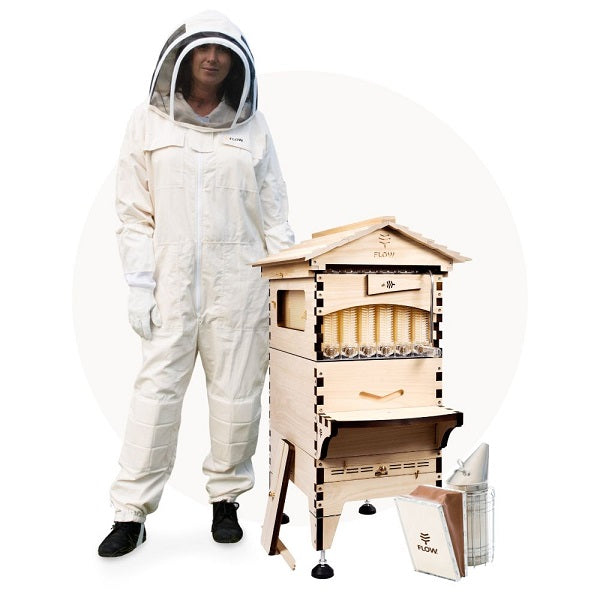
If you are serious about maximizing honey production or want the widest array of learning resources, the Langstroth is the safest bet. If you prefer a low-impact, natural approach and have limited strength for lifting heavy boxes, consider the Warre or Top-Bar. Below are some starter kits that align with these hive types to help you get started.
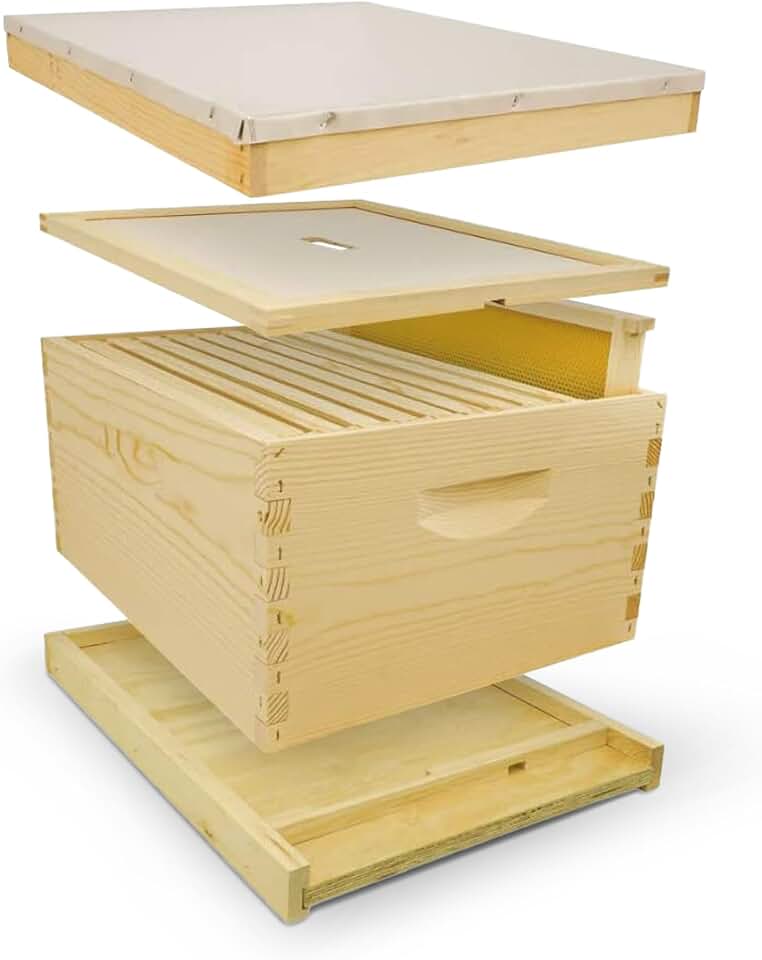
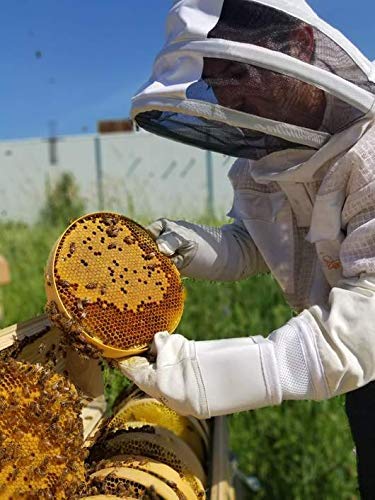

- Professional grade
- Pre-assembled frames
- US-based manufacturer
As an Amazon Associate, we may earn from qualifying purchases.
Top Langstroth Starter Kits
Start Best Beekeeping Starter Kits for with the constraint that matters most in real life: space, timing, budget, skill level, maintenance, or availability. That first constraint should shape the rest of the plan instead of appearing as an afterthought. Keep the first pass simple enough to verify. Compare the main options against the same criteria, remove choices that only work in ideal conditions, and save optional upgrades for later.
The simplest way to use this section is to write down the real constraint first, compare each option against it, and choose the path that still works outside ideal conditions.
Natural Beekeeping Kit Options
Best Beekeeping Starter Kits for works best as a clear sequence: define the constraint, compare the realistic options, test the tradeoff, and choose the path with the fewest hidden costs. That order keeps the advice usable instead of decorative. After each step, pause long enough to check whether the recommendation still fits the reader's actual situation. If it depends on perfect timing, unusual access, or a best-case budget, include a simpler fallback.
The simplest way to use this section is to write down the real constraint first, compare each option against it, and choose the path that still works outside ideal conditions.
Essential Beekeeping Gear Checklist
Best Beekeeping Starter Kits for works best as a clear sequence: define the constraint, compare the realistic options, test the tradeoff, and choose the path with the fewest hidden costs. That order keeps the advice usable instead of decorative. After each step, pause long enough to check whether the recommendation still fits the reader's actual situation. If it depends on perfect timing, unusual access, or a best-case budget, include a simpler fallback.
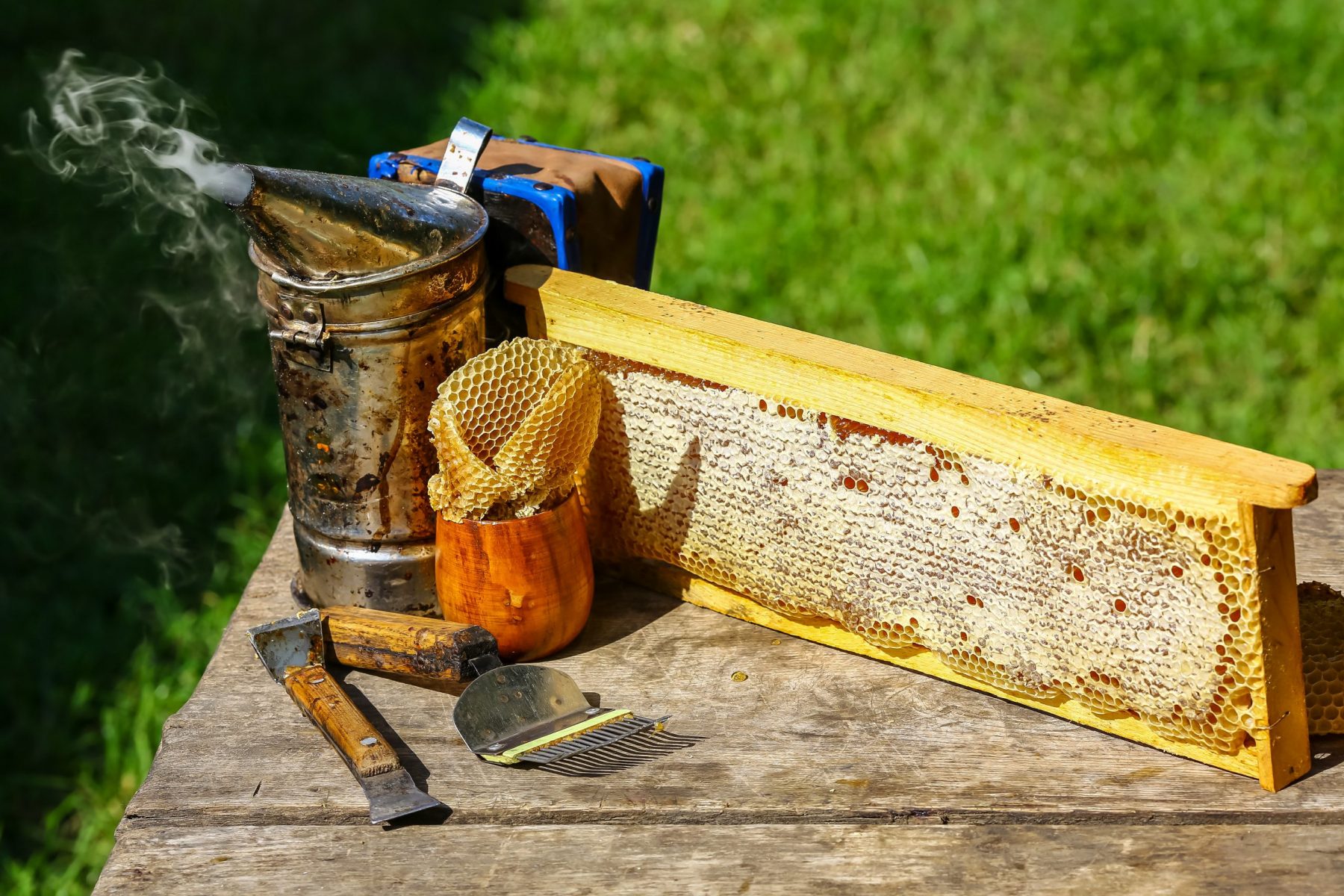
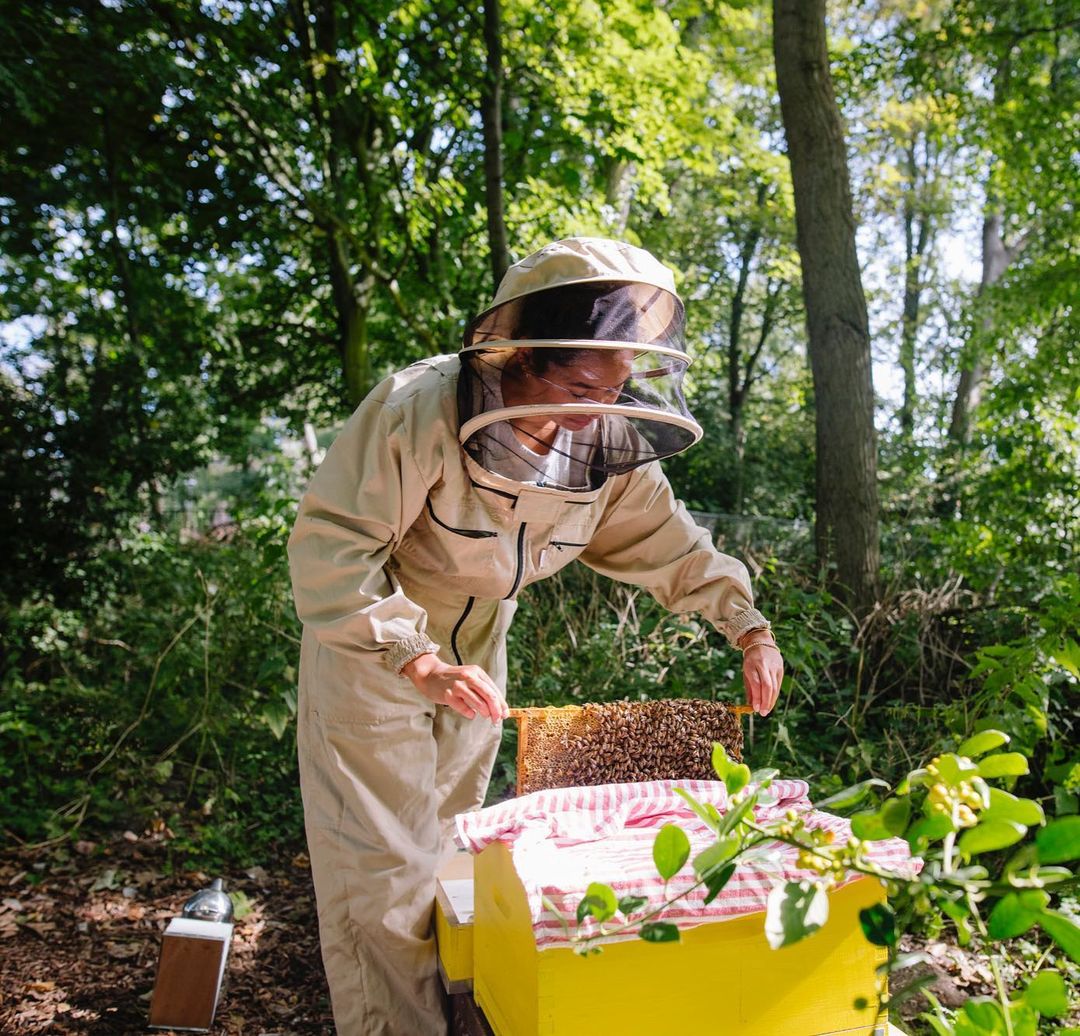
Where to Buy Live Bees and Nucs
Best Beekeeping Starter Kits for works best when the purchase path is explicit. Verify the source, compare the offer against real alternatives, check the total cost, and confirm what happens after payment before you decide. After each comparison, write down the one risk that would change your mind. If the seller, condition, support, warranty, shipping, or upkeep still feels uncertain, resolve that question before moving to checkout.
The simplest way to use this section is to verify the seller, compare the total cost, and resolve the biggest risk before you commit.
Common beginner beekeeping: what to check next
Starting beekeeping involves more than just buying equipment. New beekeepers often ask about the real costs, time commitments, and local rules. This section answers the most frequent questions to help you plan your first year.


As an Amazon Associate, we may earn from qualifying purchases.
No comments yet. Be the first to share your thoughts!