

Calculate your first hive budget
Starting beekeeping is an investment that extends beyond the initial purchase of a hive. A transparent cost breakdown helps you prepare for the financial commitment required to maintain a healthy colony using natural, low-intervention methods. While prices vary by region and supplier, understanding the standard components of a starter kit allows you to estimate your expenses accurately before placing an order.
The largest expense is typically the bees themselves, usually purchased as a nucleus colony (nuc) or a package of bees with a queen. Beyond the livestock, you need a complete hive setup, including frames, foundation, and boxes. Protective equipment, such as a veil, suit, and gloves, is essential for safe handling. Finally, don't forget basic tools like a hive tool for prying frames apart and a feeder for supplemental sugar syrup during the establishment phase.
Use the calculator below to estimate your total first-year cost based on the number of hives you plan to start. This tool aggregates typical market prices for equipment, bees, and protective gear to give you a realistic baseline for your budget.
Compare hive styles and starter kits
Choosing the right hive structure is the first practical decision in beekeeping. The three standard options—Langstroth, Top-Bar, and Warre—differ significantly in maintenance requirements, upfront costs, and honey harvesting methods. Langstroth hives use stacked boxes and removable frames, offering high honey yields but requiring more physical strength to manage. Top-Bar and Warre hives prioritize low-intervention, natural methods, though they often yield less honey and require more frequent inspections to prevent swarming.
A typical Langstroth starter kit includes the necessary boxes, frames, and protective gear, providing a structured path for beginners. However, the weight of full supers can be challenging for some keepers.
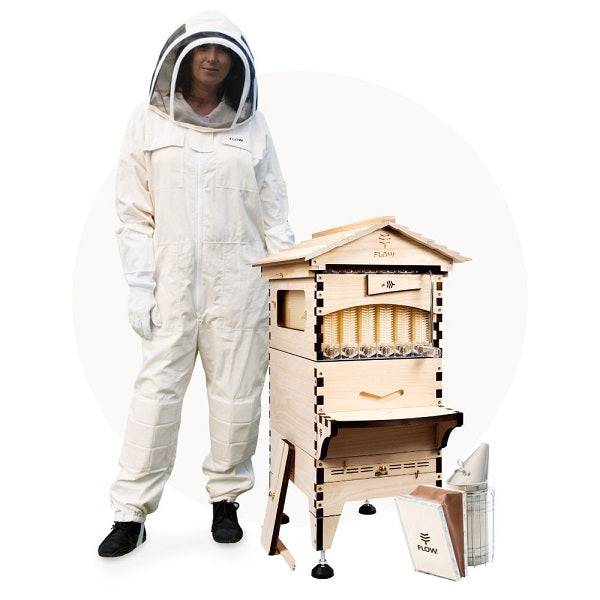
The following comparison highlights the operational differences between these hive styles.
| Hive Style | Maintenance Level | Estimated Starter Cost | Honey Yield |
|---|---|---|---|
| Langstroth | Moderate (heavy lifting) | $400–$600 | High |
| Top-Bar | High (frequent checks) | $250–$400 | Low–Moderate |
| Warre | Moderate (minimal intrusion) | $300–$500 | Low–Moderate |
For beginners, the choice often comes down to a balance between yield and physical effort. Langstroth hives are the industry standard for a reason: they are efficient and widely supported by local suppliers. However, Top-Bar and Warre hives appeal to those interested in natural beekeeping, reducing the need for heavy equipment and chemical interventions.
Select essential beginner beekeeping supplies
Starting with the right gear prevents early frustration and keeps both you and the bees safe. You don’t need a fully stocked workshop; you need four non-negotiable items that allow you to inspect the hive without disturbing the colony. A smoker calms the bees by masking alarm pheromones, while a hive tool acts as a lever to pry apart frames glued together by propolis. Protective clothing—specifically a veil and gloves—is mandatory for your first season, regardless of your confidence level.
The hive itself is the largest investment. A standard 10-frame Langstroth kit provides the foundation for expansion. This includes the bottom board, brood boxes, frames, foundation sheets, and a cover. Buying a complete kit ensures all parts fit together correctly, which is critical for maintaining the proper 3/8-inch spacing bees require to build comb efficiently.
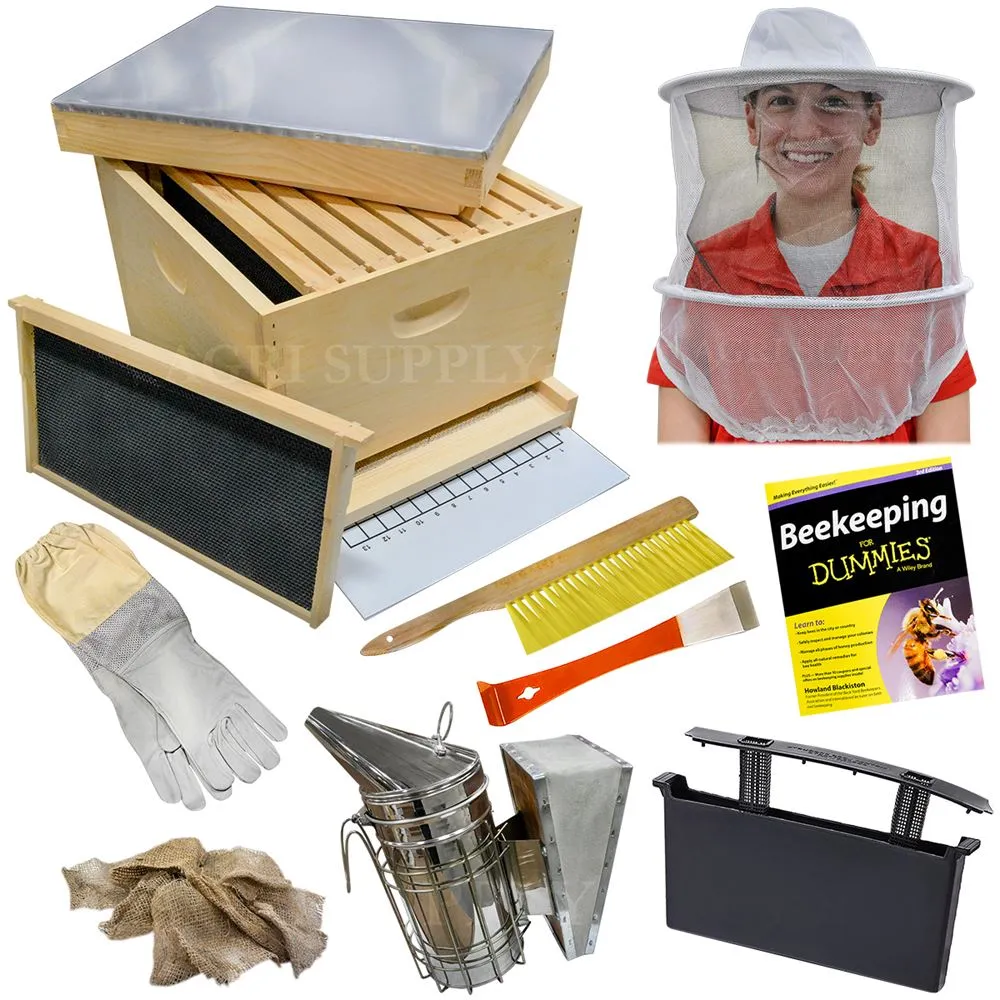
Core Equipment List
- Smoker: Look for a 200-cubic-inch metal smoker with a sturdy bellows. It should light easily and produce cool, white smoke.
- Hive Tool: A flat, metal pry bar with a curved end. This is your primary wrench for the hive.
- Protective Gear: A ventilated veil jacket and nitrile gloves. Avoid bulky leather gloves if possible, as they reduce dexterity.
- 10-Frame Langstroth Kit: The standard hive body. Ensure it includes all frames and foundation sheets.
Recommended Starter Kit

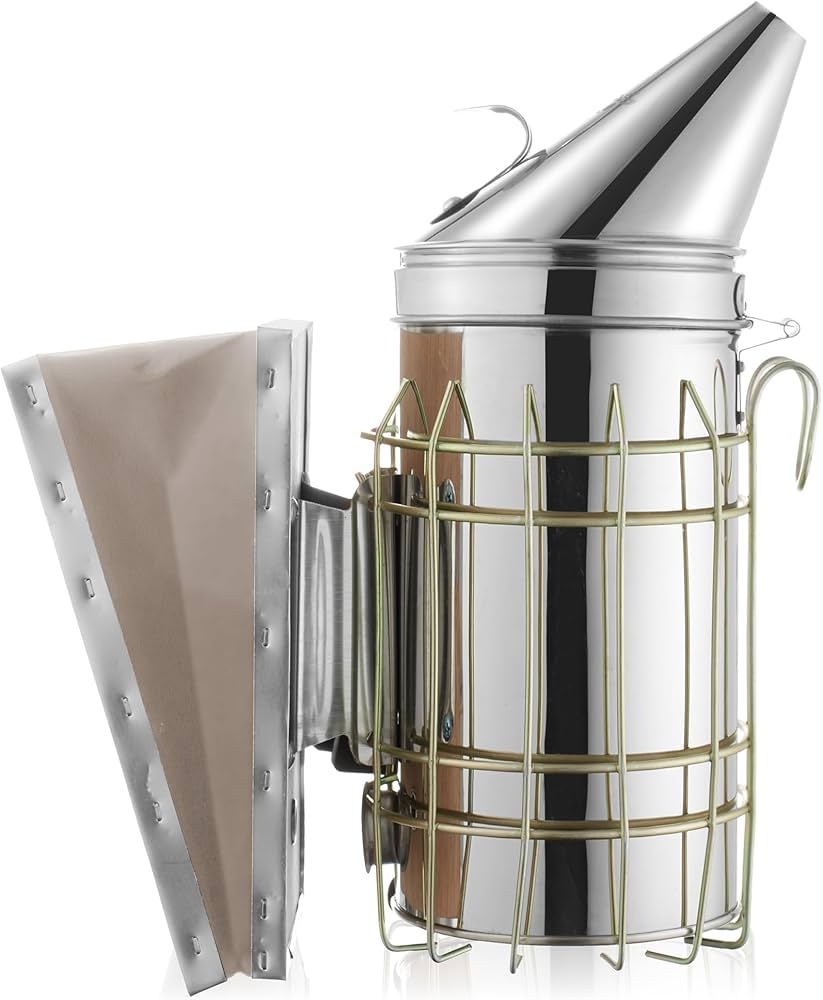
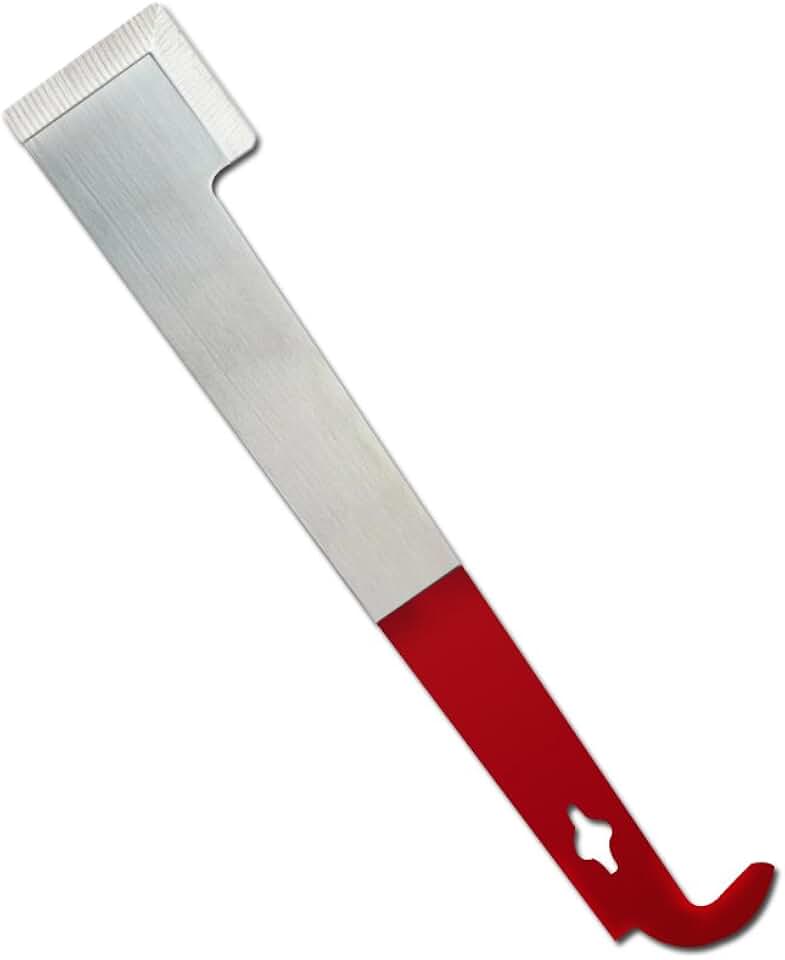
As an Amazon Associate, we may earn from qualifying purchases.
Investing in quality tools upfront pays off. Cheap smokers rust quickly and fail to produce consistent smoke. Inexpensive hive tools bend under pressure, making inspections difficult. While you can buy these items separately, many beginners find value in curated starter bundles that bundle the hive components with basic tools.
Apply natural beekeeping techniques
Transitioning to natural beekeeping means shifting from chemical interventions to biological and mechanical management. This approach prioritizes the colony’s innate resilience, using organic mite management and natural swarm prevention to keep hives healthy without synthetic acids. While these methods require more frequent observation, they often reduce long-term costs associated with chemical treatments and equipment replacement.
Organic mite management
Varroa destructor mites are the primary threat to honeybee health. Natural management relies on monitoring mite loads and using physical barriers or organic acids like oxalic acid or formic acid, which are permitted in organic beekeeping. Screened bottom boards allow mites to fall out of the hive, while drone brood removal exploits the mites’ preference for drone cells, allowing beekeepers to pull and discard infested frames. Regular monitoring with alcohol washes or sugar rolls is essential to determine if intervention is needed, ensuring treatments are applied only when necessary.
Natural swarm prevention
Swarming is the colony’s natural reproductive process, but it results in the loss of the queen and half the worker population. Natural prevention focuses on providing adequate space and managing population density. Beekeepers can use a double-decker method, adding an upper brood box when the lower one reaches capacity, or perform routine checks to remove queen cells before they mature. Splitting a strong colony proactively can also satisfy the swarm impulse while creating two productive hives instead of losing one to a swarm. These mechanical interventions align with low-intervention principles by working with the bees’ natural rhythms rather than suppressing them chemically.
Local climate and seasonal variations significantly impact the timing of mite treatments and swarm prevention. Always adapt your natural beekeeping schedule to your specific region’s weather patterns and bloom cycles.
Cost implications
Natural methods often have lower recurring costs. Organic acids are generally less expensive than synthetic miticides, and mechanical tools like screened bottoms or queen excluders are one-time purchases. However, natural beekeeping may require more time investment for frequent inspections and manual labor, which can be a hidden cost for hobbyists. The lack of chemical dependency also preserves the quality of beeswax, which can be sold at a premium if you plan to harvest wax in the future.
Check your beginner beekeeping readiness
Before buying equipment, verify that you can legally keep bees in your area. Local ordinances and zoning laws vary significantly by region, and some neighborhoods prohibit hives or restrict the number of colonies per property. Contact your local agricultural extension office or municipal planning department to confirm these regulations and any required registration steps.
Joining a local beekeeping association is equally important. Groups like the BBKA offer mentorship, workshops, and community support that are invaluable for beginners. Connecting with experienced keepers helps you navigate regional challenges, from local flora availability to seasonal pest management, ensuring you are supported before you even open a hive.
Finally, assess your personal readiness. Ensure you are not allergic to bee stings, as this is a non-negotiable safety requirement. Consider taking a beginner course or shadowing an experienced beekeeper to understand the physical demands and time commitment involved. This practical trial run helps confirm that beekeeping aligns with your lifestyle and natural methods goals before you invest in starter kits.
Common beginner beekeeping: what to check next
Starting a hive involves more than just buying bees. New beekeepers often ask about the upfront investment, the weekly time commitment, and the legal requirements in their area. Understanding these factors helps you avoid costly mistakes before your first package arrives.
How much does it cost to start beekeeping?
Expect to spend between $500 and $1,000 for your first hive. This covers a Langstroth kit (hive body, frames, foundation, lid, and bottom board), protective gear, and a package of bees. While some sources suggest spending over $1,000 for two hives, a single hive is sufficient for beginners to learn the basics without overwhelming complexity (src-serp-3).
How much time do I need to spend?
During the active season, plan for 30–60 minutes per hive every 7–10 days. This time is for inspections to check for eggs, mites, and food stores. You do not need to be in the apiary daily. Winter requires minimal intervention, mostly just ensuring the hive is windproof and has enough honey reserves (src-serp-6).
Do I need a permit to keep bees?
Most areas do not require a formal permit, but local zoning laws may restrict hive numbers or placement. Check with your city or county clerk’s office. Some homeowners associations (HOAs) have covenants that prohibit livestock or hives. Always verify local ordinances before ordering equipment to avoid fines or neighbor disputes.
Can I keep bees naturally without chemicals?
Yes. Natural beekeeping focuses on breeding mite-resistant stocks and using organic acids like oxalic acid or formic acid for mite control. Many beginners succeed by allowing bees to build natural comb and avoiding synthetic pesticides, though this requires more frequent monitoring than conventional methods (src-serp-6).
What is the best season to start?
Spring is the ideal time to start. Bees have the entire growing season to build up their population and store honey. Starting in late summer or fall is risky because the colony may not have enough time to prepare for winter. A strong spring start gives you the best chance of harvesting honey in your first year.
No comments yet. Be the first to share your thoughts!