

The rise of smart beekeeping
Beekeeping is changing. We are moving away from relying solely on manual inspections and toward using sensors that monitor hives 24/7. These tools don't replace a beekeeper's intuition; they provide a window into the colony without the need to crack the lid and disturb the bees.
Traditional beekeeping presents ongoing challenges. It’s time-consuming, physically demanding, and requires a deep understanding of bee behavior. Colony losses, driven by factors like varroa mites, disease, and habitat loss, are a significant concern for beekeepers globally. These pressures are pushing the industry to embrace innovation, and the development of digital hive monitoring systems is a direct response to these needs.
By 2026, we’re likely to see smart beekeeping technologies become more commonplace, particularly among commercial operations. While the initial investment can be a barrier for some, the potential benefits – improved colony health, increased honey yields, and reduced labor costs – are compelling. The aim is to shift from reactive problem-solving to proactive hive management, anticipating issues before they escalate. This is more than just a trend; it’s a necessary evolution for the future of beekeeping.
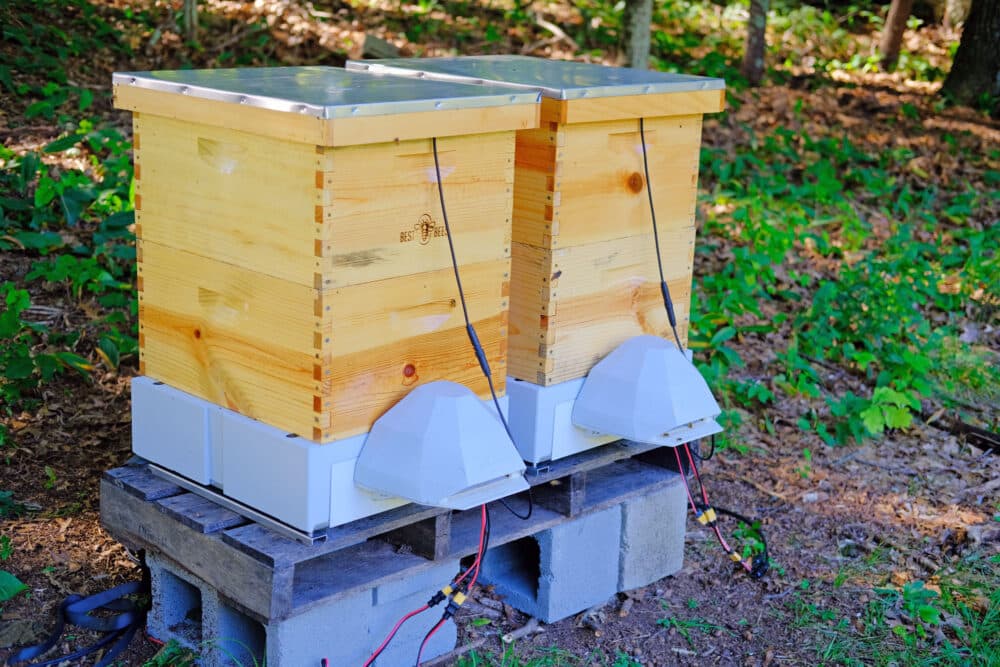
Sensors and data collection
At the heart of smart beekeeping is the collection of data from within the hive. A variety of sensors are now available, each providing unique insights into colony health and activity. Temperature and humidity sensors are fundamental, as these factors significantly influence brood development and honey production. Subtle changes can indicate problems like overheating or excessive moisture.
Sound sensors are proving remarkably useful. By analyzing the acoustic signature of a hive, beekeepers can detect signs of queenlessness, swarming preparations, or even the presence of certain pests. Weight sensors, often integrated into the hive base, provide continuous monitoring of honey stores and can help predict honey flows. More advanced systems include sensors to measure brood temperature, offering a direct indication of the queen’s laying activity and overall colony strength.
This data isn’t useful unless it can be transmitted. Most systems rely on IoT (Internet of Things) connectivity. Cellular networks offer broad coverage, but can be expensive and power-hungry. LoRaWAN, a low-power, wide-area network, is gaining popularity for its ability to transmit data over long distances with minimal energy consumption. WiFi is an option for apiaries with existing network coverage. Power management remains a key challenge, with many systems relying on solar panels and battery storage to operate independently in remote locations.
The data collected often needs preprocessing at the edge – meaning some analysis happens within the device before it’s sent to the cloud. This reduces bandwidth requirements and improves response time. The cost of these sensors varies widely, from a few dollars for simple temperature sensors to several hundred dollars for comprehensive monitoring systems.
AI analysis beyond raw data
Raw data from hive sensors is valuable, but it’s the analysis of that data that unlocks the true potential of smart beekeeping. This is where Artificial Intelligence (AI) and machine learning algorithms come into play. These algorithms can identify patterns and anomalies that a human beekeeper might miss, enabling earlier and more accurate interventions.
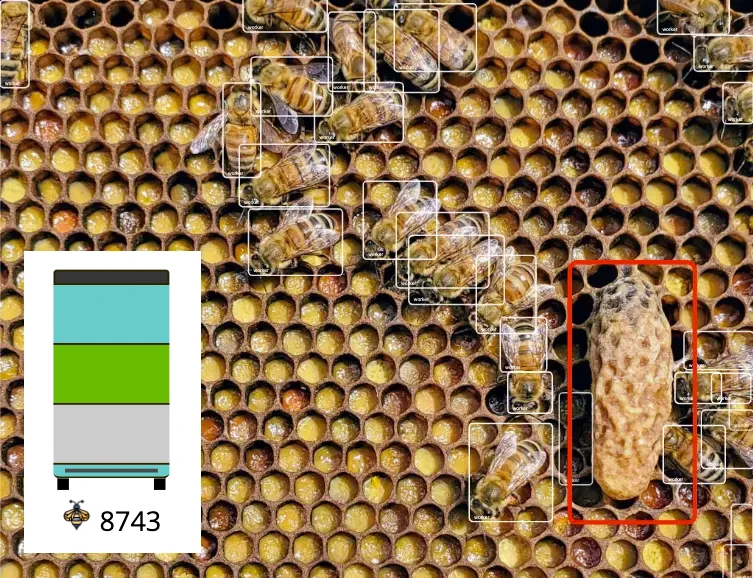
One of the most promising applications of AI is early disease detection. Algorithms can analyze temperature fluctuations, sound patterns, and activity levels to identify potential infestations of varroa mites or the presence of American foulbrood, a devastating bacterial disease. Early detection is critical for effective treatment and preventing the spread of disease throughout an apiary. Some systems can even analyze images of bees to identify signs of illness.
AI is also being used to predict swarming behavior. By monitoring changes in hive temperature, brood patterns, and bee activity, algorithms can forecast when a colony is likely to swarm, allowing the beekeeper to take preventative measures. Queen health assessment is another area where AI is showing promise. Algorithms can analyze brood patterns and worker bee behavior to assess the queen’s laying rate and overall health. Finally, AI can assist with honey flow forecasting, helping beekeepers optimize harvest times.
Beekeepers using Beewise systems tell me they get alerts about mite spikes or temperature drops days before they would have noticed them during a physical check. It changes the job from reacting to a dead colony to fixing a problem while it's still small.
- The list is redundant as the points are covered in the preceding paragraph. I recommend deleting the list entirely to improve flow.
- Swarm prediction
- Queen health assessment
- Honey flow forecasting
Current market solutions
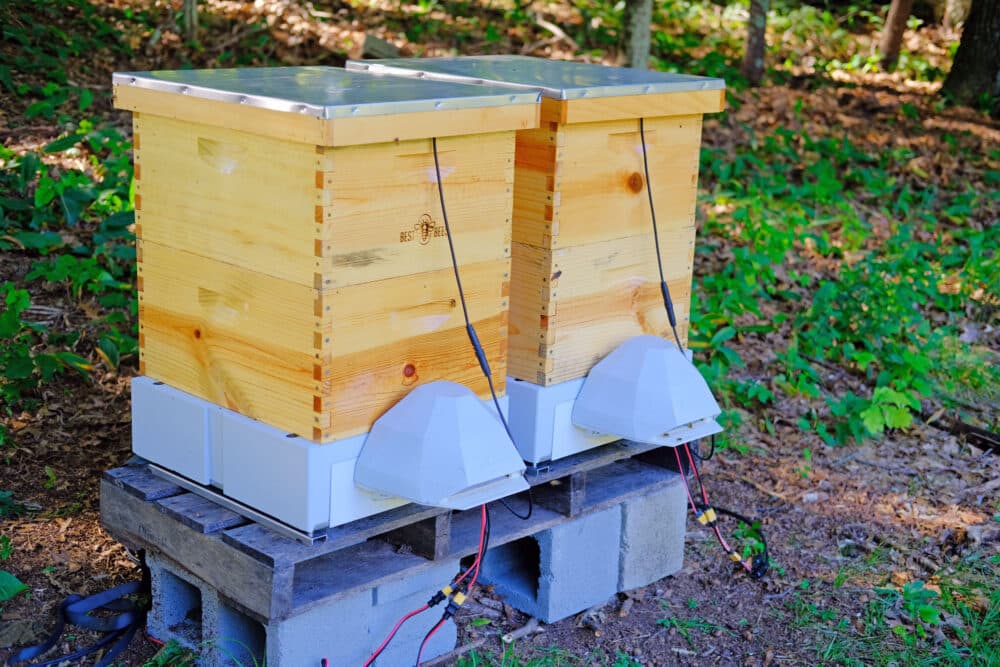
The smart beekeeping market is still relatively young, but several companies are already offering innovative solutions. Best Bees, for example, offers their SmartHive Technology, a comprehensive system designed for corporate and residential beekeeping programs. They emphasize a full-service approach, including hive installation, monitoring, and maintenance. Their system focuses on providing data-driven insights to help clients manage their bee populations effectively.
SmartBee, based in Rue Lac Victoria, offers both SmartBeePro and SmartBeeCore. SmartBeePro is positioned as a more advanced solution, featuring GPS tracking of hives, weight scales, and brood sensors. The SmartBeeCore is a more basic system, focusing on core monitoring functions. Both systems utilize a dedicated application for data visualization and analysis. SmartBee seems to be targeting both hobbyist and commercial beekeepers with their tiered offerings.
Beewise Technologies is building fully automated hives with robotic frames that shift themselves to manage the environment. It is a massive departure from traditional boxes. Best Bees bundles their hardware with a service contract, while SmartBee sells their sensors as individual parts.
It’s not just about features, though. The user experience, data accuracy, and customer support are all important factors to consider when choosing a smart beekeeping solution. Beekeepers should carefully evaluate their needs and budget before investing in any system.
Automated hive management
The ultimate goal of smart beekeeping is to move beyond simply monitoring hive conditions to actively managing them. Automated interventions, triggered by data analysis, represent the next frontier. This could include automated ventilation control to regulate hive temperature, automated feeding systems to supplement food stores, or even targeted mite treatments delivered directly to the hive.
However, fully automating hive management raises ethical considerations. Do we want to remove the human element from beekeeping entirely? There’s a risk of unintended consequences if automated systems malfunction or make incorrect decisions. Furthermore, the cost of implementing and maintaining fully automated systems is currently prohibitive for most beekeepers.
By 2026, I don’t anticipate seeing fully automated hives become widespread. However, we’re likely to see more semi-automated systems that assist beekeepers with specific tasks. For example, a system that automatically adjusts ventilation based on temperature and humidity readings, or a system that alerts the beekeeper when mite levels reach a critical threshold.
Beekeeping in 2026
Looking ahead to 2026 and beyond, several emerging trends are poised to further revolutionize beekeeping. Drone-based hive inspection is one exciting development. Drones equipped with high-resolution cameras and thermal sensors can quickly and efficiently inspect hives, identifying potential problems without disturbing the bees. Integration with weather data will also become more sophisticated, allowing beekeepers to anticipate environmental challenges and adjust their management practices accordingly.
The potential for blockchain technology to track honey provenance is also gaining traction. Blockchain can provide a transparent and immutable record of the honey’s journey from hive to table, ensuring authenticity and quality. This is particularly important as consumers become more interested in the origin and sustainability of their food.
Ultimately, I believe the biggest impact of smart beekeeping will be on reducing colony losses. By providing beekeepers with the tools and data they need to proactively manage their hives, we can create a more sustainable and resilient beekeeping industry. The technology isn’t a silver bullet, but it’s a powerful ally in the fight to protect these vital pollinators.

No comments yet. Be the first to share your thoughts!