

Bees and Bytes: The Rise of Smart Hives
Beekeeping, a practice with roots stretching back millennia, is changing. For generations, successful beekeeping relied on experience, observation, and a deep understanding of bee behavior. But current challenges like Colony Collapse Disorder, increasing pesticide use, and the demand on bees to pollinate our food crops are putting stress on these insects.
Traditional beekeeping is often reactive. A beekeeper might only discover a problem – like a failing queen or disease – after it’s already impacting the colony. Smart beehive monitoring, powered by artificial intelligence, offers a proactive approach, providing beekeepers with real-time insights into the health and well-being of their hives.
Technology in beekeeping isn't entirely new. Simple scales to measure honey production have been around for some time. But sophisticated AI systems, capable of analyzing complex data streams, represent a significant shift. These systems are moving beyond proof-of-concept and becoming increasingly accessible, though still a niche investment for most beekeepers.
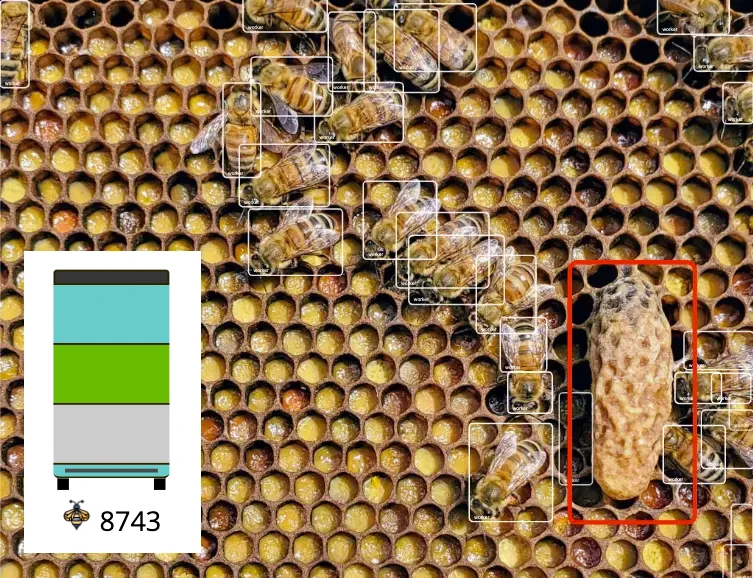
Inside the Smart Hive: Core Technologies
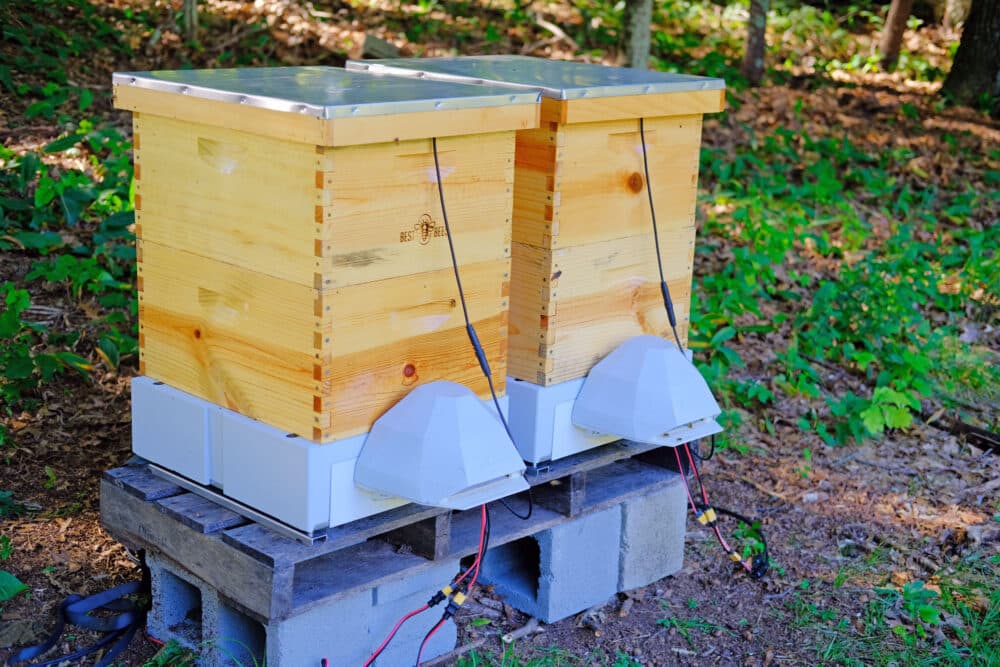
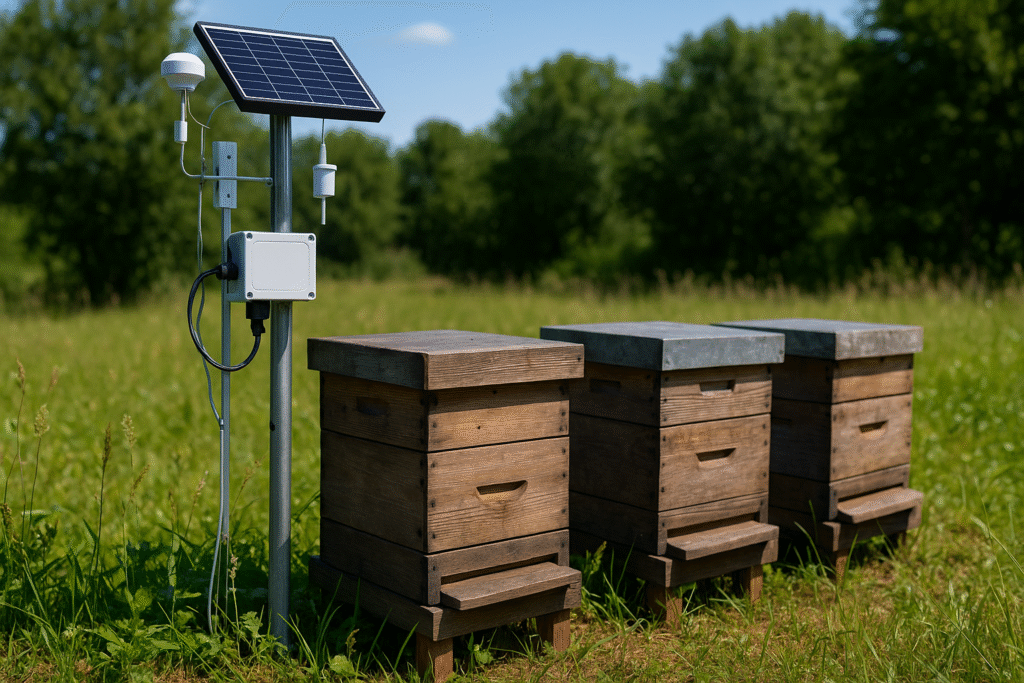
Smart beehive systems use sensors to collect data about the hive environment. Temperature and humidity sensors monitor conditions crucial for brood development and honey storage. Weight sensors, often integrated into the hive stand, track changes in hive mass, indicating honey production, food consumption, and potential swarming activity.
Smart hives transmit data using various methods. Cellular connectivity is common, offering broad coverage but potentially higher data costs. LoRaWAN, a low-power, wide-area network, is gaining traction due to its long range and energy efficiency. Satellite communication provides coverage in remote areas, but comes with a steeper price tag. The choice depends on the beekeeper’s location and needs.
AI analyzes sensor data using machine learning algorithms, identifying patterns and anomalies difficult for a human to detect. This analysis can happen on the "edge’ – processing within the hive – or in the ‘cloud," where data is sent to a remote server. Edge computing offers faster response times and reduced bandwidth usage, while cloud processing allows for more complex analysis and data storage.
Decoding Bee Sounds: Acoustic Monitoring
Acoustic monitoring is an area of smart beekeeping technology. Bees communicate through sounds – buzzing, piping, and vibrations. These sounds can reveal a lot about the hive's state. For example, a specific piping sound indicates the bees are preparing to swarm, while changes in buzzing patterns can signal stress or the presence of a parasitic mite infestation.
Interpreting these sounds is challenging. Hive environments are noisy, with wind, rain, and external factors creating interference. Sound patterns can also vary between different bee colonies and even within the same colony over time. Algorithms are needed to filter out noise and identify meaningful signals.
Beewise uses acoustic sensors to detect early signs of queen failure. They’ve trained their AI on a dataset of bee sounds, allowing it to identify subtle changes that indicate a potential problem. This type of analysis will likely become more widespread as the technology matures and more data becomes available.
Weight and Warmth: Environmental Insights
Weight sensors provide a detailed picture of hive activity. A sudden increase in weight usually indicates honey production, while a steady decline suggests the bees are consuming their stores. Weight fluctuations can also be a sign of swarming, as the bees prepare to leave with a portion of the honey and pollen.
Temperature and humidity are important. Bees maintain a stable temperature within the hive, even in extreme weather. Deviations from the optimal range – around 35°C (95°F) for brood – can stress the bees and hinder development. Monitoring humidity levels is also crucial, as excessive moisture can promote mold and disease.
Monitoring these environmental factors allows beekeepers to proactively manage their hives. If the temperature drops too low, they can provide supplemental heat. If the hive is gaining weight rapidly, they might prepare to harvest honey. These sensors allow for a more informed and responsive approach to beekeeping.
Beewise and Beyond: Current Players
Beewise is a leading player in the smart beekeeping space. Their BeeHome™ hive is an integrated system that includes sensors, AI-powered analysis, and automated pest control. They offer a solution for beekeepers looking to minimize colony losses and maximize honey production. Their system is geared toward commercial beekeepers, and the cost reflects that.
Beyond Beewise, the market is fragmented. Planet Bee Foundation promotes the use of smart beehives and provides resources for beekeepers interested in adopting the technology. Smaller companies and research institutions are also developing innovative sensors and algorithms. There are few other companies offering comprehensive systems on the scale of Beewise.
These systems have limitations. The initial investment can be significant, and some systems require a reliable internet connection. Data privacy is also a concern, as discussed later. Beekeepers need to consider their needs and budget before investing in smart beekeeping technology.
Comparison of Smart Beehive Monitoring Systems (2026)
| Company | Core Technologies | Key Features | Target User | Pros | Cons |
|---|---|---|---|---|---|
| HiveSense | Acoustic sensors, Machine Learning | Real-time sound analysis for disease detection, queen health monitoring, and swarm prediction. | Commercial beekeepers, Researchers | Early disease detection potential, non-invasive monitoring. | Accuracy dependent on training data, potential for false positives. |
| BeePlus | Temperature sensors, Humidity sensors, Weight scales, Cellular connectivity | Remote temperature and humidity monitoring, hive weight tracking for honey production estimates, alerts for unusual activity. | Hobbyist beekeepers, Small-scale commercial operations | Relatively affordable, easy to install and use, provides basic hive data. | Limited AI capabilities, relies heavily on manual interpretation of data. |
| SmartBees | Infrared cameras, Computer Vision, AI-powered behavior analysis | Automated bee counting, brood pattern assessment, detection of varroa mites, and overall colony health scoring. | Commercial beekeepers, Beekeeping cooperatives | Comprehensive colony health assessment, potential for reduced labor costs, detailed data insights. | Higher initial investment, requires strong data connectivity, complex data analysis. |
| ApiAI | Microphones, Vibration sensors, Data analytics platform | Detects subtle changes in hive sounds related to queen events (e.g., queen piping), pest infestations, and colony stress. | Researchers, Advanced Hobbyists | Specialized in acoustic analysis, potentially identifies issues before they become visible. | Requires expertise in interpreting acoustic data, limited functionality beyond sound analysis. |
| Flow Hive 2.0 (with sensor integration) | Flow Frames, Temperature/Humidity sensors, Data Logging | Automated honey harvesting, basic environmental monitoring, data tracking via a mobile app. | Hobbyist beekeepers | Combines honey harvesting with basic monitoring, user-friendly interface. | Monitoring capabilities are limited compared to dedicated systems, primarily focused on honey extraction. |
| BeeWatch | Weight sensors, Machine Learning algorithms | Hive weight monitoring for honey production and food stores, predictive models for colony needs. | Commercial beekeepers | Provides insights into honey yield and colony health through weight analysis. | Accuracy can be affected by external factors (e.g., weather), limited data beyond weight. |
Illustrative comparison based on the article research brief. Verify current pricing, limits, and product details in the official docs before relying on it.
Predictive Beekeeping: AI in Action
Smart beehive monitoring's predictive capabilities are powerful. By analyzing sensor data, AI algorithms can forecast potential problems before they escalate. Predicting swarming events allows beekeepers to prevent colony loss. Detecting disease outbreaks early enables prompt treatment, minimizing infection spread.
AI can optimize feeding schedules, ensuring bees have adequate nutrition without overfeeding. It can assess colony strength, identifying weak colonies that require attention. These predictions translate into tangible benefits for beekeepers – increased honey yields, reduced colony losses, and a more efficient operation.
This changes the beekeeper’s workflow significantly. Instead of reacting to problems, they can proactively address potential issues. The AI acts as an early warning system, freeing up the beekeeper to focus on other aspects of hive management.
Data Privacy and Security: A Growing Concern
As with any technology that involves data collection, privacy and security are paramount. Smart beehive systems collect sensitive information about the hive’s health, location, and activity. This data could be valuable to competitors or even malicious actors.
Data ownership is a key question. Who owns the data collected by the sensors – the beekeeper, the technology provider, or both? It’s crucial to understand the terms of service and data privacy policies before investing in a system. Data encryption is also essential, protecting the data from unauthorized access during transmission and storage.
What happens if a hacker gains access to a beekeeper’s hive data? They could potentially disrupt hive management, steal valuable information, or even cause harm to the bees. Choosing systems with robust security measures – including strong passwords, two-factor authentication, and regular security updates – is critical.
Looking Ahead: 2026 and Beyond
The future of AI-powered beekeeping is bright. We can expect to see continued advancements in sensor technology, with smaller, more accurate, and more energy-efficient devices. AI algorithms will become even more sophisticated, capable of detecting subtle patterns and making more accurate predictions. Data analytics will play a greater role, providing beekeepers with actionable insights.
Will we see fully autonomous beehives in the future? It’s not entirely out of the question. Drones could be used for hive inspection and management, automatically identifying problems and delivering targeted treatments. Integration with other agricultural technologies – such as precision pollination systems – could further enhance efficiency and sustainability.
The impact on the cost of honey and the sustainability of beekeeping remains to be seen. While smart beekeeping technology can help reduce colony losses and increase honey yields, the initial investment is still a barrier for many beekeepers. As the technology becomes more affordable and accessible, it has the potential to revolutionize the industry and ensure the long-term health of our bee populations.
- What are the key benefits of smart beehive monitoring? Reduced colony losses, increased honey yields, and improved hive management.
- How much does a smart beehive system cost? Costs vary widely depending on the features and complexity of the system, ranging from a few hundred to several thousand dollars.
- Is smart beekeeping technology right for me? It depends on your budget, technical expertise, and the size of your operation. Consider your needs carefully before investing.


No comments yet. Be the first to share your thoughts!