

Beekeeping Laws: A State-by-State Snapshot
As we move into 2026, beekeeping continues to gain popularity, and with that comes increased scrutiny of regulations. It’s important to understand that beekeeping laws are primarily established at the state level, leading to a wide range of requirements across the country. There isn’t a single, unified set of rules, which is why diligent research is so important for anyone considering starting a hive. This overview will highlight some key differences and commonalities, but it absolutely isn’t a substitute for checking directly with your state and local authorities.
Generally, states focus on registration, colony limits, and apiary location. Registration is common, though not universal, and is often tied to disease monitoring efforts. Colony limits vary drastically, with some states having no restrictions at the state level, while others impose strict limits, often deferring to local ordinances. Location restrictions typically center around public safety – ensuring bees don’t pose a risk to pedestrians or livestock. California, for example, through the CDFA’s Apiary Protection Program, requires all colonies to be registered and inspected for diseases.
Some states are particularly concerned with Africanized honey bees (AHB) and have specific regulations in place to manage their spread. Arizona and Texas, being closer to the origin of AHB, have more stringent requirements related to hive management and queen sourcing. Other states, like Maine, have relatively few statewide regulations, placing more emphasis on local control. Pennsylvania, on the other hand, has a comprehensive apiary inspection program and specific rules regarding disease control. It’s a complex picture, and the details are constantly evolving.
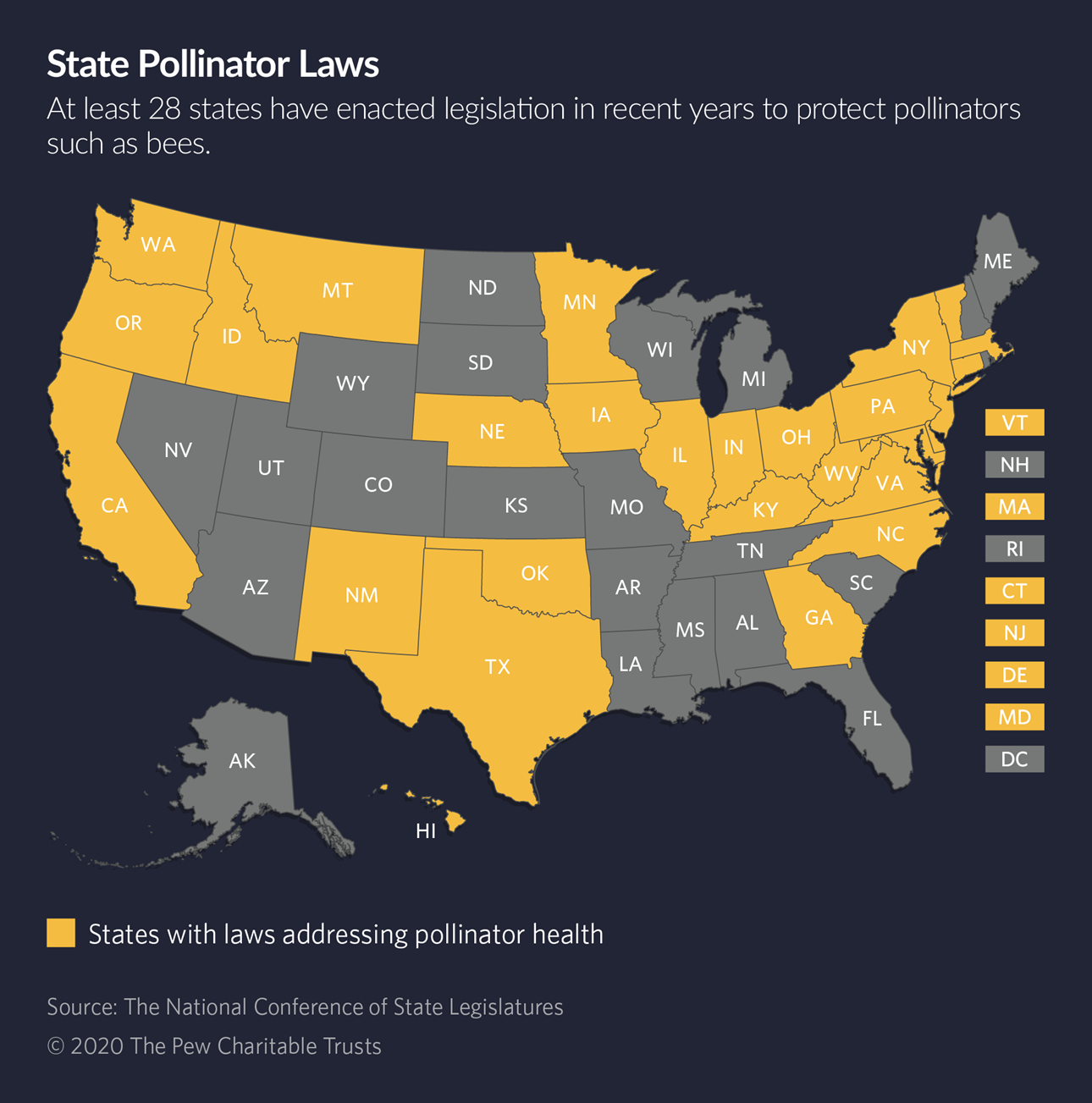
Several states are also beginning to address pesticide use and its impact on bee health. While comprehensive restrictions are rare, some states offer incentives for beekeepers to report pesticide-related bee kills and are working to promote integrated pest management practices. Washington state, for example, has been a leader in reducing neonicotinoid pesticide use, which is known to harm pollinators. The legal landscape is shifting, and beekeepers need to stay informed about these changes.
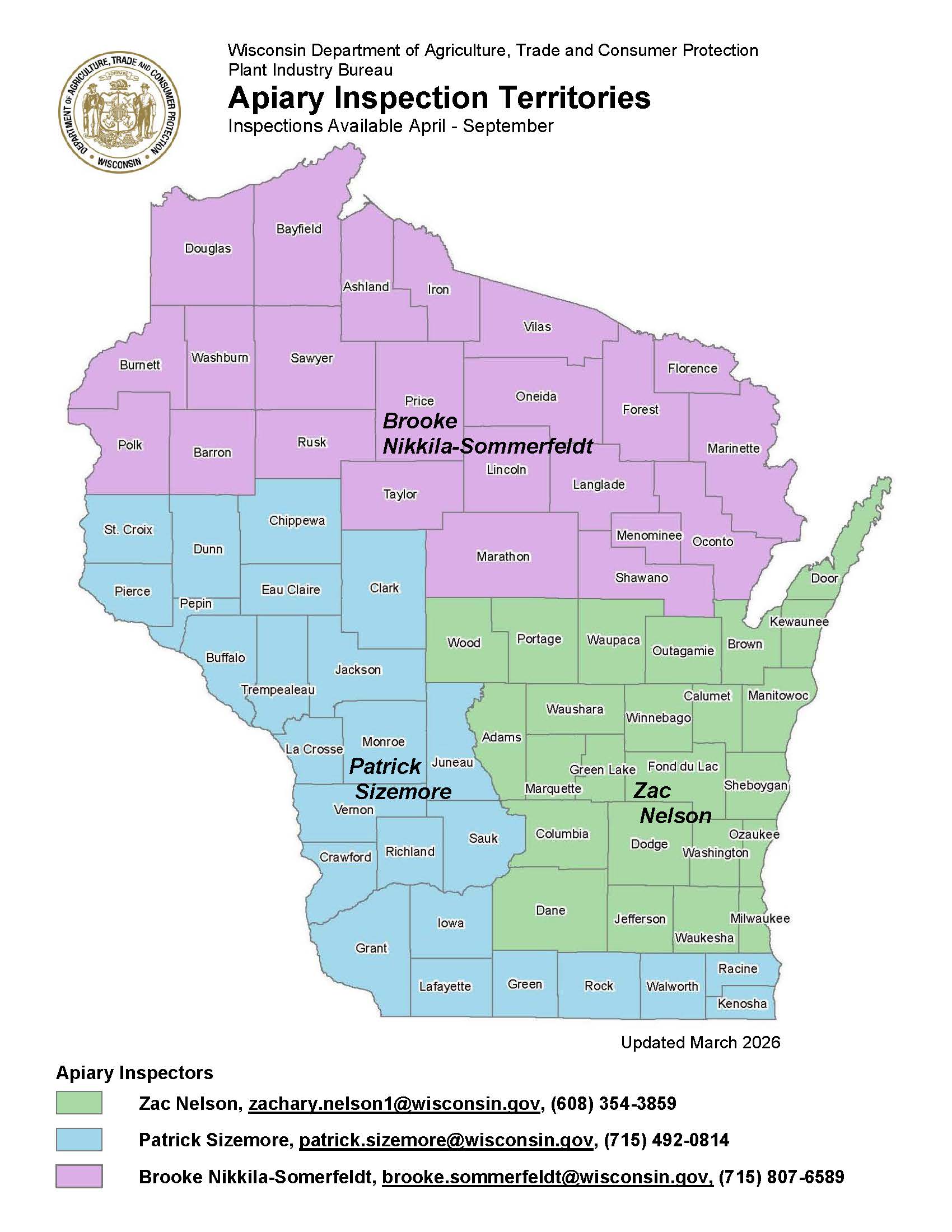
Registration: Do You Need a Beekeeping License?
Many states require beekeepers to register their hives, but the specifics vary considerably. Registration isn't always referred to as a 'license'; it’s often a simple notification process. The purpose of registration is primarily disease monitoring and control. By knowing where hives are located, state apiary inspectors can respond quickly to outbreaks of diseases like American Foulbrood, which can devastate bee populations. Registration also facilitates contact tracing, allowing inspectors to notify nearby beekeepers if a problem is detected.
As of late 2026, states like Florida, Montana, and Ohio all mandate beekeeper registration. Fees range from a nominal amount – around $10 in some states – to more substantial fees based on the number of colonies. The process usually involves submitting a form online or by mail, providing your contact information and the location of your apiary. Even in states where registration isn't legally required, like New Hampshire, it's often strongly encouraged by state apiary programs.
The benefits of registration extend beyond disease control. It helps state apiary agencies promote best management practices and provide educational resources to beekeepers. It also allows them to gather data on bee populations and track trends in bee health. You can find links to state apiary inspection services on the Bee Simply resources page and through your state’s Department of Agriculture website. Don’t assume that because a state doesn’t require registration it isn’t beneficial.
- Florida Department of Agriculture and Consumer Services:
- Montana Department of Livestock, Apiary Inspection:
- Ohio Department of Agriculture, Apiary Program:
State Beekeeping Registration Requirements - 2026
| State | Registration Required | Fee | Registration Link |
|---|---|---|---|
| California | Yes | None | https://www.cdfa.ca.gov/plant/apiary/ |
| Florida | Yes | Varies by county, typically under $20 | https://www.fdacs.gov/Agriculture-Industry/Animal-Industry/Bees |
| Texas | No | None | https://agriculture.texas.gov/divisions/plant-industry/bees |
| New York | Yes | $10 per apiary | https://www.agriculture.ny.gov/APIS/apis.html |
| Pennsylvania | Yes | $10 per colony, up to 5 colonies - $10, 6-10 colonies - $25, 11+ colonies - $50 | https://www.agriculture.pa.gov/Plants/PlantInspection/Apiary/Pages/default.aspx |
| Georgia | Yes | $5 per colony | https://agr.georgia.gov/bees-apiary-inspection-section.html |
| North Carolina | Yes | $20 per apiary | https://www.ncagr.gov/divisions/plant-industry/apiary/ |
Illustrative comparison based on the article research brief. Verify current pricing, limits, and product details in the official docs before relying on it.
Colony Limits and Local Ordinances
State laws regarding the number of hives allowed on a property are often quite broad, and frequently defer to local ordinances. This means that even if a state doesn’t impose a limit, your city or county might. These local rules can vary drastically, from allowing only a few hives on small lots to permitting dozens on larger acreage. Finding these local rules can be challenging, but it’s essential before you start beekeeping.
Start by contacting your city or county planning department. They should be able to tell you if there are any ordinances related to beekeeping. You might also check with your homeowner’s association (HOA), as they often have their own rules about livestock, which can include bees. Common limitations include a maximum number of hives per lot size and setback requirements from property lines. Some ordinances also require a permit or license to keep bees.
"Neighborhood beekeeping" is a growing trend, but it can also lead to conflicts with neighbors. Be proactive and talk to your neighbors before you set up your hives. Explain the benefits of bees and address any concerns they might have. Offering them honey is a good start! If you encounter resistance from local authorities or residents, be prepared to provide information about responsible beekeeping practices and the importance of pollinators. A well-maintained hive is less likely to cause problems.
- Check with your city or county planning department.
- Contact your homeowner’s association.
- Talk to your neighbors before setting up hives.
- Be prepared to provide information about responsible beekeeping.
Apiary Location Restrictions: Keeping Bees Safely
Apiary location restrictions are designed to minimize the risk of bee stings and ensure public safety. Most states and local ordinances require a certain distance between hives and property lines, roads, schools, and public spaces. These setbacks are typically measured in feet, and the specific distance varies depending on the location and the number of hives. The intent isn’t to make beekeeping impossible, but to reduce the likelihood of encounters between bees and people.
A common misconception is that bees must be a certain distance from sidewalks. While some ordinances might address proximity to pedestrian traffic areas, the focus is usually on preventing bees from obstructing access or posing a threat to people passing by. Most regulations also require a source of water for the bees, such as a birdbath or shallow dish with pebbles, to prevent them from seeking water from swimming pools or other sources. Fencing requirements are less common, but some jurisdictions might require hives to be enclosed to prevent access by children or pets.
It's crucial to consider prevailing wind direction when placing your hives. Bees tend to fly in a straight line from the hive, so you want to avoid positioning them in a way that directs them towards areas with high pedestrian traffic. Also, provide a flyway barrier, such as a hedge or fence, to encourage bees to fly upwards and over people rather than at them. Responsible hive placement is a key component of being a good beekeeper.
Disease Control and Inspection Powers
State apiary inspection programs play a vital role in protecting bee health. These programs have the authority to inspect hives for diseases like American Foulbrood (AFB) and Varroa mites, both of which can cause significant damage to bee colonies. Inspections are typically conducted upon request from a beekeeper or as part of a routine surveillance program. The process usually involves opening the hive and examining the brood frames for signs of disease.
If a disease is detected, the inspector will work with the beekeeper to develop a treatment plan. For AFB, which is a highly contagious bacterial disease, treatment often involves burning the infected hive to prevent the spread of the disease. For Varroa mites, which are external parasites, treatment options include miticides and other integrated pest management strategies. Beekeepers are legally obligated to comply with inspection orders and implement the recommended treatment plan.
Reporting suspected disease outbreaks is crucial for effective disease control. If you notice any unusual symptoms in your hives, such as discolored or deformed brood, contact your state apiary inspector immediately. The USDA also plays a role in national bee health initiatives, providing funding for research and monitoring programs. Staying vigilant and reporting suspected problems can help protect bee populations across the country.
Africanized Honey Bees: State-Specific Concerns
Africanized honey bees (AHB), often referred to as "killer bees," remain a concern in many states, particularly those in the southern and southwestern United States. AHB are a hybrid of European honey bees and African honey bees, and they are known for their defensive behavior and tendency to swarm. While they produce honey, their aggressive nature makes them a challenge for beekeepers and the public. States like Arizona, California, Texas, and Florida are most affected by AHB.
Regulations related to AHB vary by state. Some states require beekeepers to requeen their hives regularly with queens from known European stock to prevent their colonies from becoming Africanized. Others have specific guidelines for managing swarms and responding to bee stings. It's important to be able to identify AHB, which can be challenging as they closely resemble European honey bees. Look for characteristics like increased defensiveness and a quicker attack response.
Several myths surround AHB. They don’t kill people in large numbers, but their aggressive behavior can result in multiple stings, which can be dangerous for individuals with allergies. Preventing your hives from becoming Africanized involves sourcing queens from reputable breeders, maintaining strong colonies, and practicing good swarm control. State apiary programs offer resources and training on AHB identification and management. Don't panic, but be prepared.
Federal Regulations: A Brief Overview
While most beekeeping regulations are at the state and local level, there are some federal regulations that beekeepers should be aware of. These primarily relate to the interstate transport of bees and the use of certain pesticides. The Code of Federal Regulations (CFR) outlines the requirements for transporting bees across state lines, including inspection and certification procedures. These rules are intended to prevent the spread of bee diseases and pests.
The Environmental Protection Agency (EPA) regulates the use of pesticides, including those that can harm bees. Beekeepers should be aware of the potential risks of pesticide exposure and take steps to protect their colonies. The EPA also has programs to promote pollinator health and reduce pesticide exposure. You can find more information on the EPA website and through your state apiary program.
I am not a legal professional, so this is not legal advice. This is a general overview of federal regulations relevant to beekeeping. Beekeepers should consult with legal counsel if they have specific questions or concerns about federal regulations.
- eCFR :: 7 CFR Part 322 -- Bees, Beekeeping Byproducts, and Beekeeping Equipment:
Federal Regulations for Beekeepers
- 7 CFR Part 322 - This regulation, administered by the USDA, covers the importation, interstate movement, and preparation of bees, beekeeping byproducts, and beekeeping equipment. It aims to prevent the spread of bee diseases and pests.
- FIFRA & Pesticide Regulations - The Federal Insecticide, Fungicide, and Rodenticide Act (FIFRA) regulates the registration, distribution, sale, and use of pesticides. Beekeepers should be aware of pesticide applications in their area and understand label requirements to protect their colonies.
- Interstate Transport of Bees - Transporting bees across state lines requires adherence to specific USDA regulations outlined in 7 CFR Part 322, including health certificates and inspections to ensure disease-free movement.
- Africanized Honey Bee Monitoring - While not a direct regulation *for* beekeepers, the USDA conducts ongoing monitoring for Africanized honey bees. Beekeepers should be aware of their presence in their region and understand their characteristics.
- Honeybee Health Improvement Project (HHIP) - The USDA's HHIP focuses on improving honeybee health through research and technology transfer. While not a regulatory requirement, it provides valuable resources for beekeepers.
- Reporting of Bee Diseases - Many states require beekeepers to report the presence of certain bee diseases, such as American Foulbrood and European Foulbrood, to state apiary inspectors. This is often a component of state-level regulations.
Resources for Staying Up-to-Date
Beekeeping laws and regulations are constantly evolving, so it’s crucial to stay informed. A great starting point is your state apiary inspection service, which typically provides updates on changes to state laws and regulations. Many states also have beekeeping associations that offer educational resources and advocate for beekeeper interests. These associations often host meetings and workshops where you can learn about the latest regulations.
Relevant government websites, such as your state’s Department of Agriculture website and the USDA website, are also valuable resources. Subscribing to newsletters from beekeeping organizations and following social media accounts that focus on beekeeping regulations can help you stay informed about changes as they happen. Bee Simply also provides resources and updates on beekeeping laws.
Continuous learning is essential for responsible beekeeping. By staying informed about the legal requirements and best practices, you can ensure that you’re keeping bees safely and sustainably. Don't rely on outdated information – always verify the current regulations with your state and local authorities.
- Bee Simply:
- Your State Apiary Inspection Service
- Your State Department of Agriculture website
- USDA website


No comments yet. Be the first to share your thoughts!