
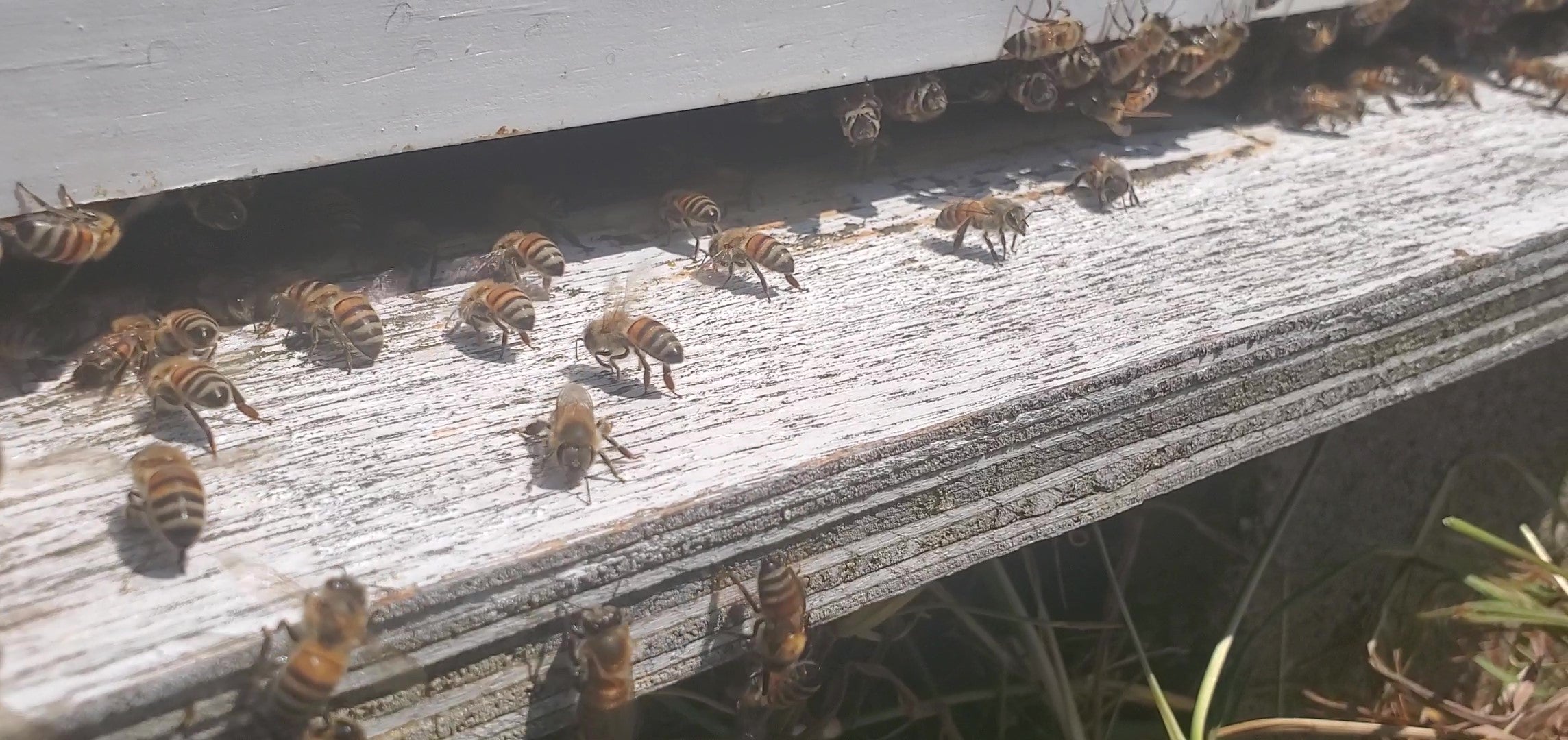

What makes a good starter kit
A functional beginner beekeeping starter kit bundles the essential hardware needed to house a colony and manage it safely. Instead of sourcing individual components from various suppliers, a complete kit ensures compatibility between the hive body, frames, and protective gear. This approach reduces the learning curve for new beekeepers by providing a standardized setup that follows established best practices.
The core components of any viable kit include the hive structure itself, a package of live bees, personal protective equipment (PPE), and basic inspection tools. The hive structure—typically a Langstroth or Top-Bar design—provides the physical home. The bees are the living colony that will produce honey and pollinate. PPE, such as a veil and gloves, protects the keeper during inspections. Tools like a hive tool and smoker are necessary for managing hive behavior and accessing frames without damaging the comb.
Expect to spend several hours per year on hive husbandry, which involves opening the hive to inspect frames and manage health, according to scientific beekeeping resources. This time commitment includes monitoring for pests like varroa mites and ensuring the colony has sufficient food stores. A well-chosen starter kit simplifies this process by including only the tools you need for the first year, allowing you to expand your equipment as your skills grow.
Focus on kits that offer durable materials and clear instructions. Avoid overly complex setups that include advanced features you may not yet understand. The goal is to establish a healthy colony with minimal friction. As you gain experience, you can add additional hives, specialized tools, or extraction equipment to support your growing operation.
Top Langstroth hive kits
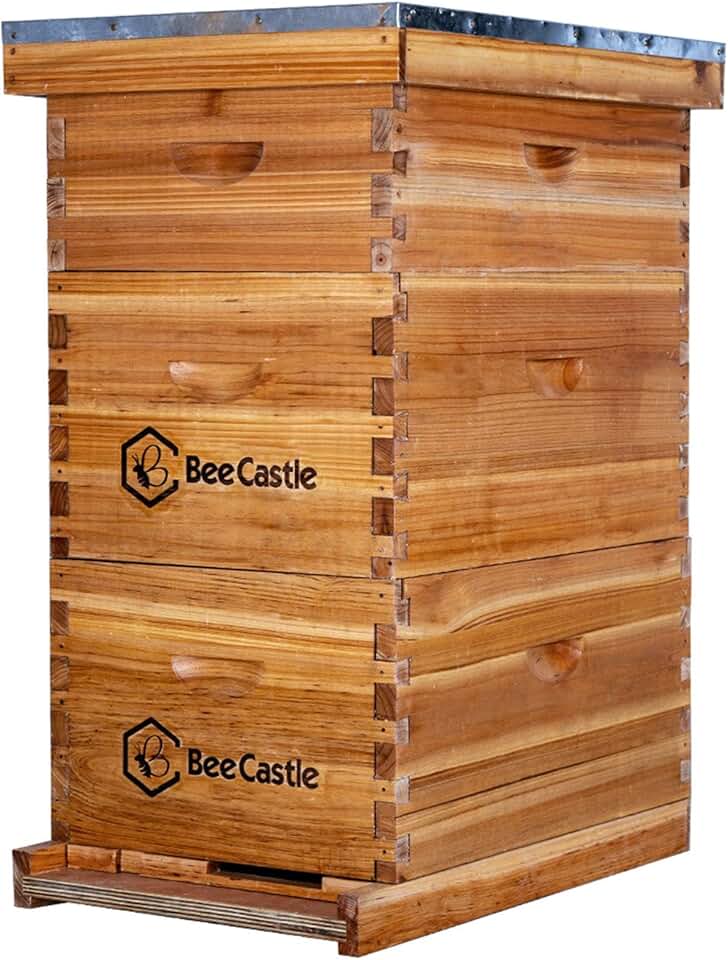
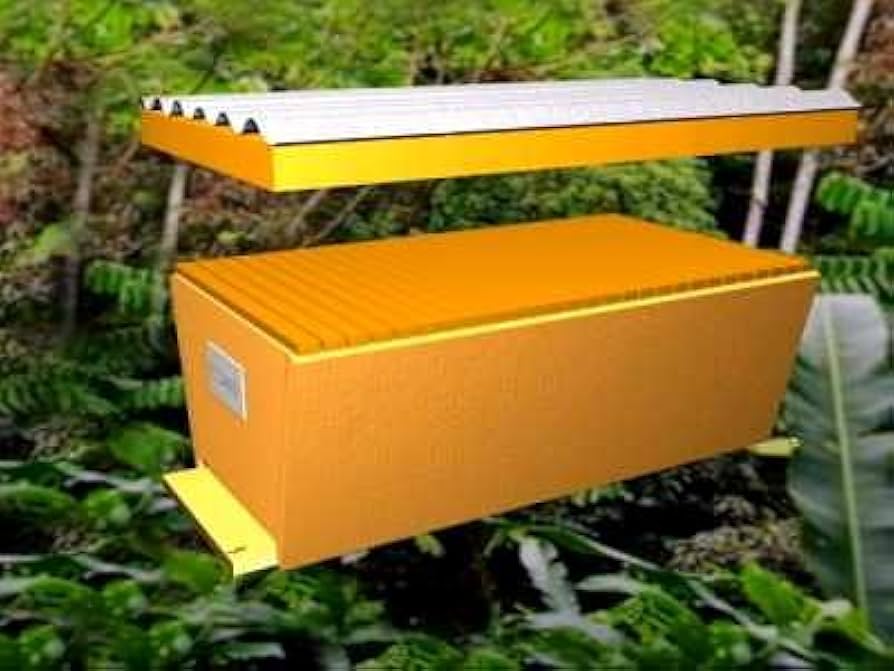
Langstroth hives remain the industry standard for beginner beekeepers due to their standardized parts and wide availability of replacement components. A complete starter kit simplifies the initial setup by bundling essential hardware, though the quality of the wood and the clarity of assembly instructions vary significantly between manufacturers. When selecting a kit, prioritize durability in the wooden frames and the precision of the hive body joints to ensure the bees can maintain proper propolis seals.
The following options represent reliable entry points for new apiarists. These kits include the core structural elements—bottom boards, hive bodies, frames, and lids—allowing you to focus on acquiring bees and protective gear rather than sourcing individual parts.



As an Amazon Associate, we may earn from qualifying purchases.
While the upfront cost of a complete kit may appear higher than buying individual components, it eliminates the risk of mismatched parts. Ensure your chosen kit includes ten frames per box, as this is the standard configuration for most honey production and brood management techniques. For additional context on total startup costs, including bees and protective equipment, industry estimates suggest a first-year investment of approximately $1,000 for a single hive setup.
Top bar and natural hives
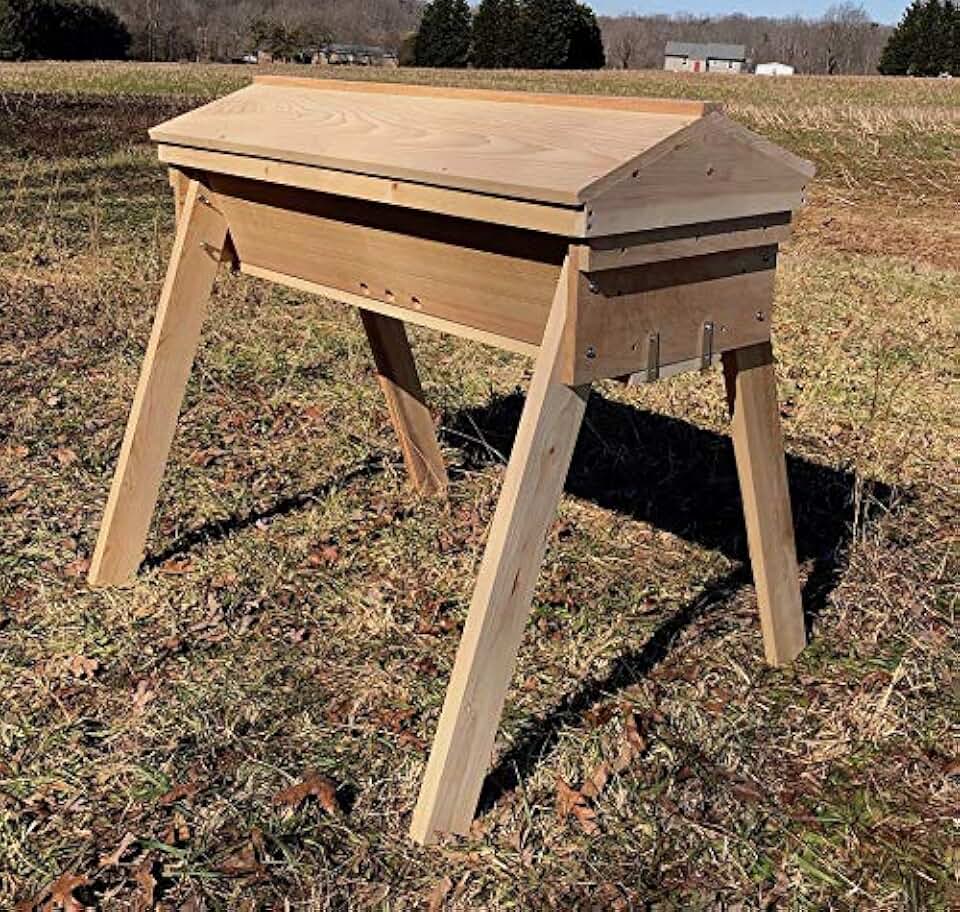
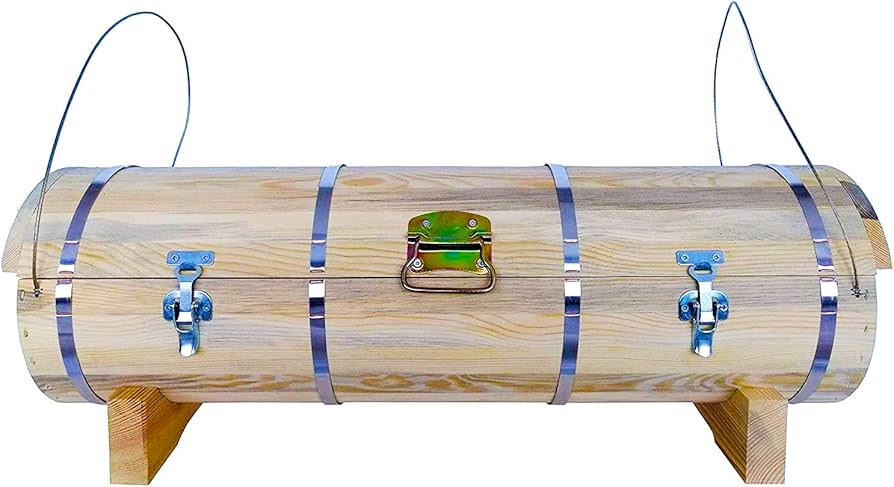
Top bar hives and other natural hive designs appeal to beginners who want to minimize interference with the colony. Unlike standard Langstroth hives that rely on heavy frames and mechanized extractors, these systems mimic the natural comb structure bees build on their own. This approach reduces the physical labor of honey harvesting and allows for a gentler inspection process, which can be less stressful for both the beekeeper and the bees.
The primary trade-off is scale. Because these hives do not support standardized commercial frames, honey yields are typically lower and harvesting is more hands-on. However, for hobbyists focused on observation and ethical management rather than bulk production, the simplicity and lower upfront cost make them an attractive entry point.
AmazonProductGrid

Essential protective gear and tools
Staying safe and working efficiently requires the right protective equipment and basic tools. While a beginner kit often includes a hive, adding proper Personal Protective Equipment (PPE) and a smoker ensures you can manage the colony without stress or injury. The cost of a complete setup, including bees and all necessary gear, typically ranges from $1,000 to $1,500 for a single hive in the first year [[src-serp-3]].
Protective clothing and veils
A full-body beekeeping suit with an attached veil is the standard for protection. Suits made from breathable cotton or ventilated mesh help keep you cool during inspections, while the veil keeps bees away from your face and neck. Many beginners start with a jacket and veil if they are working in calm conditions, but a full suit provides a safer barrier for your first interactions with the bees.
Smokers and hive tools
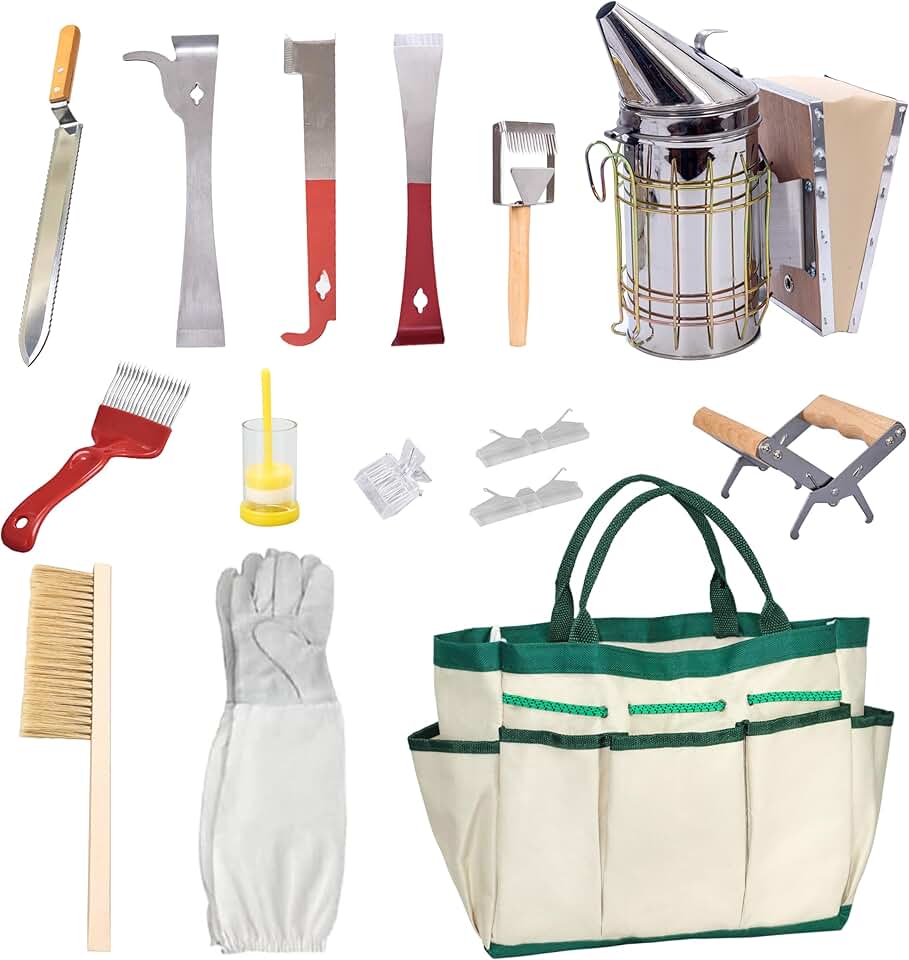
A bee smoker calms the colony by masking alarm pheromones, making inspections smoother and safer. A well-maintained smoker with a bellows and a metal base is essential. Alongside it, a hive tool is your most important manual instrument; it is used to pry apart frames stuck together with propolis and scrape excess wax from the box edges. These two items are non-negotiable for any beginner kit.


As an Amazon Associate, we may earn from qualifying purchases.
Buying bees and initial supplies
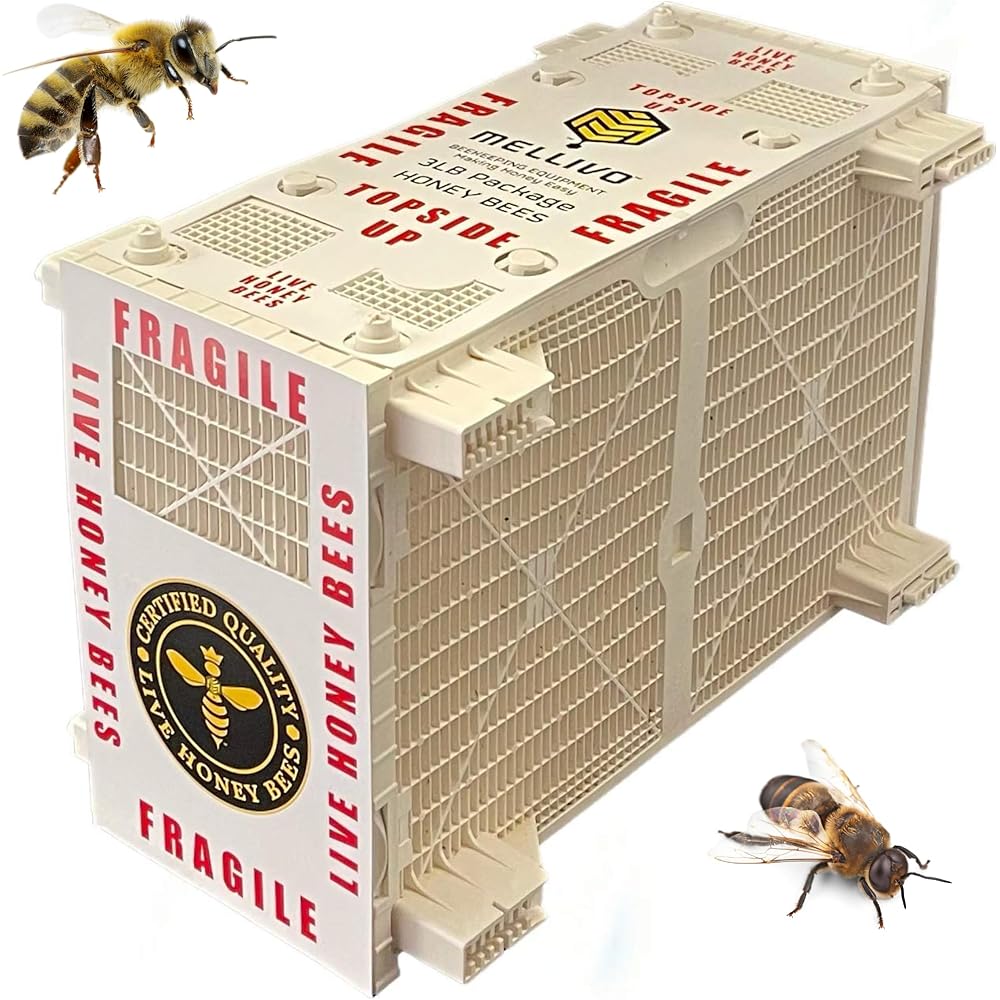
Selecting a reputable supplier is the foundation of a successful apiary. You can buy live bees by the pound, typically in 2-3 lb packages containing about 10,000 bees and a mated queen, or as nucleus colonies (nucs) with four to eight frames of brood, bees, and honey. Nucs establish faster because they already have drawn comb and a laying queen, while packages require more time and effort to build comb from scratch.
When ordering, time your purchase for early spring when local forage begins to bloom. This ensures the colony has immediate access to pollen and nectar to support brood rearing. Avoid ordering in late fall or winter unless you are experienced in overwintering packages, as the colony may not generate enough heat to survive.
As an Amazon Associate, we may earn from qualifying purchases.
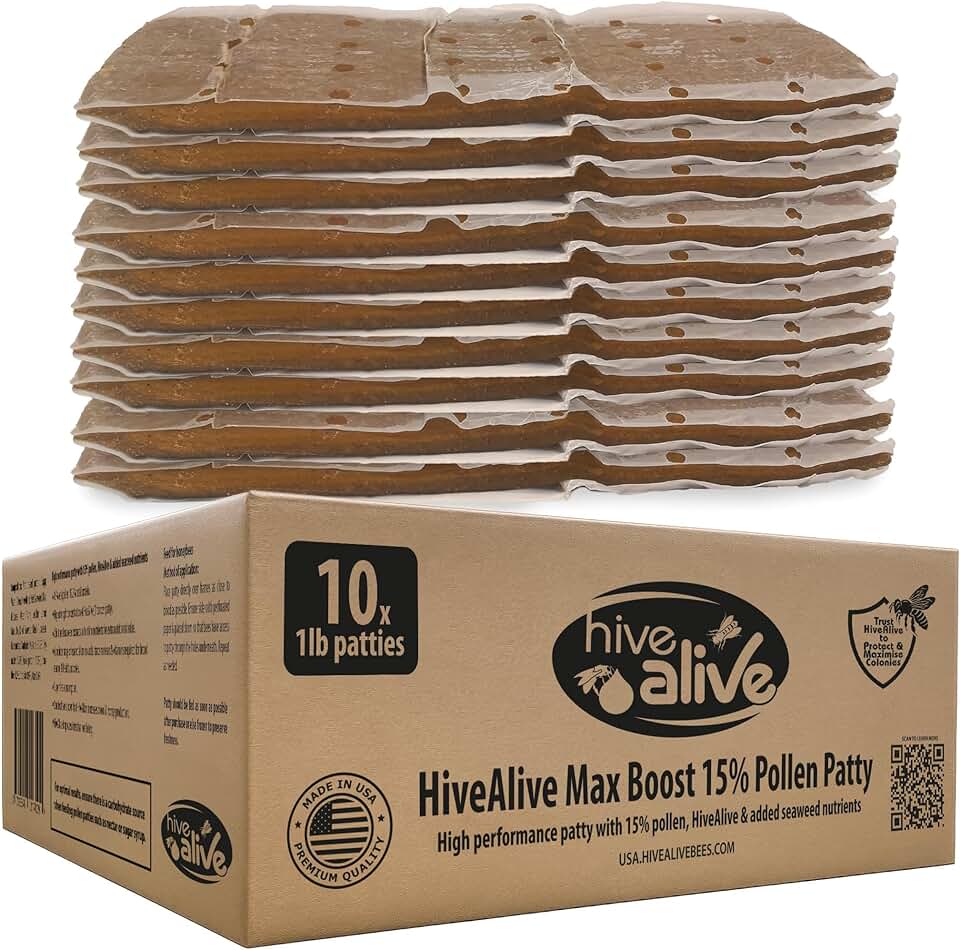
Initial supplies extend beyond the bees themselves. You will need foundation sheets to guide comb construction if buying packages, and a reliable sugar syrup feeder to supplement food stores until natural nectar flows begin. Check your local agricultural extension office for specific recommendations on mite treatments and winter feeding schedules, as regional conditions vary significantly.
First year beekeeping checklist
Your first 60 days set the trajectory for the entire season. The goal is not to maximize honey, but to ensure the colony survives and establishes a strong population. Follow this ordered checklist to manage your new hive without overwhelming yourself or the bees.
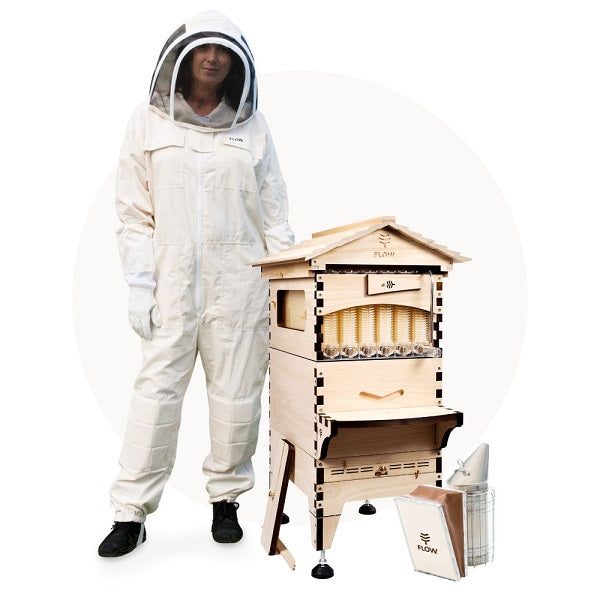
Within the first week, inspect the frames to confirm the queen is present. Look for fresh eggs (tiny white pins standing upright) in the center of the comb. If you see only larvae or no eggs, the queen may be missing or failing, requiring immediate replacement to prevent colony collapse.
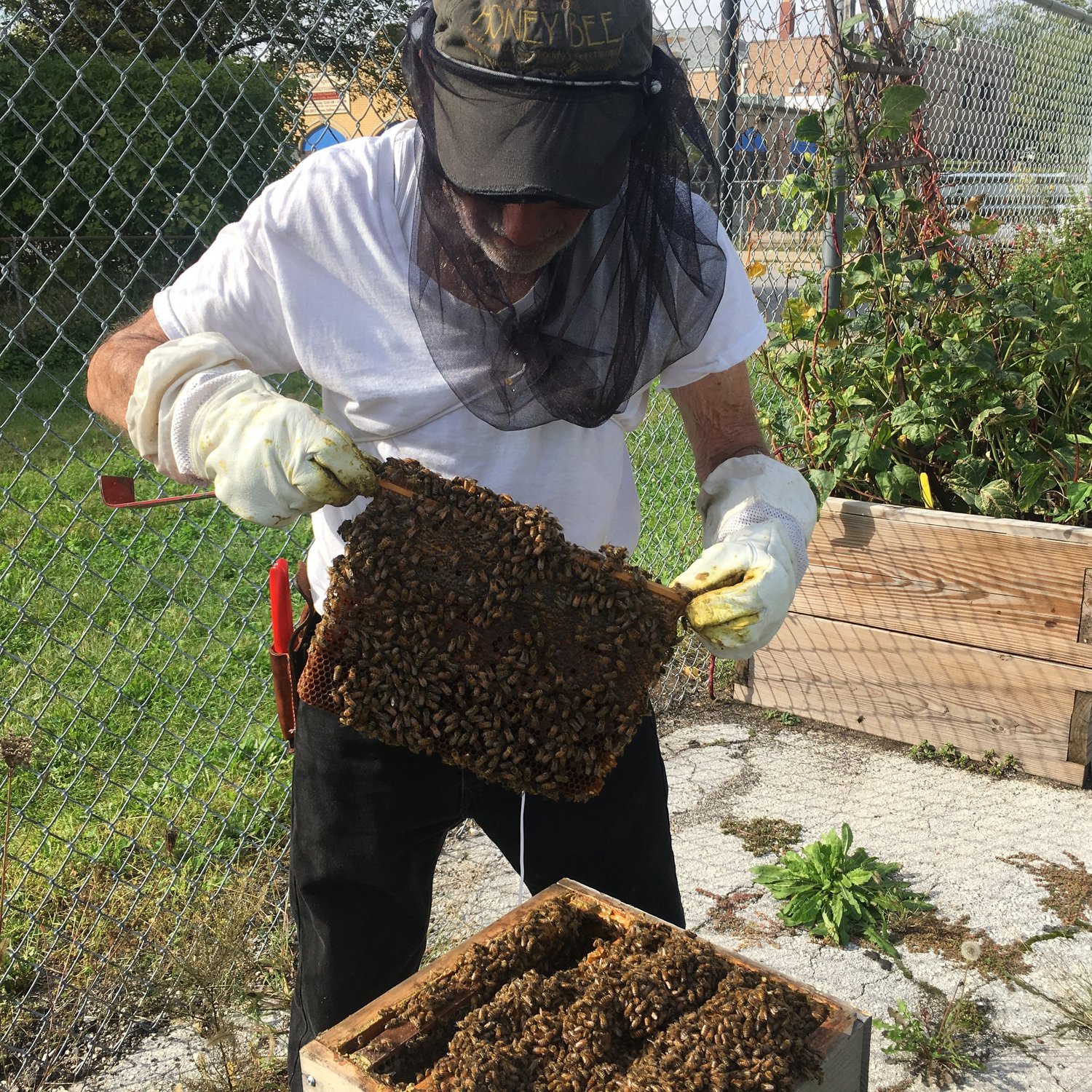
Bees consume roughly two pounds of honey per week in early spring. Check that the outer frames are full of honey and pollen. If the brood nest is expanding but food stores are low, feed them a 1:1 sugar syrup solution to bridge the gap until natural nectar flows begin.
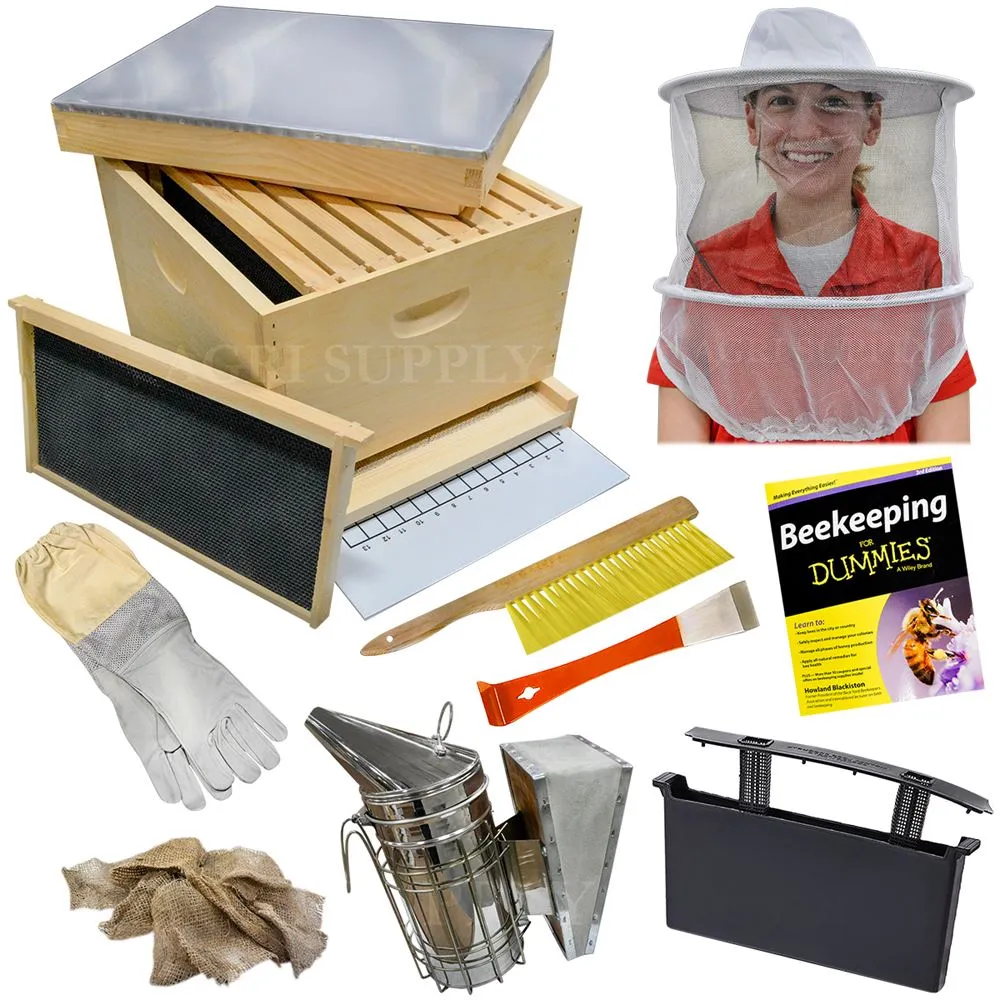
Early detection is critical for hive health. Look for Varroa mites on adult bees or in brood cells. Check for signs of American Foulbrood, such as a foul odor or perforated cappings. If pests are present, treat immediately according to local regulations to prevent the infestation from spreading.
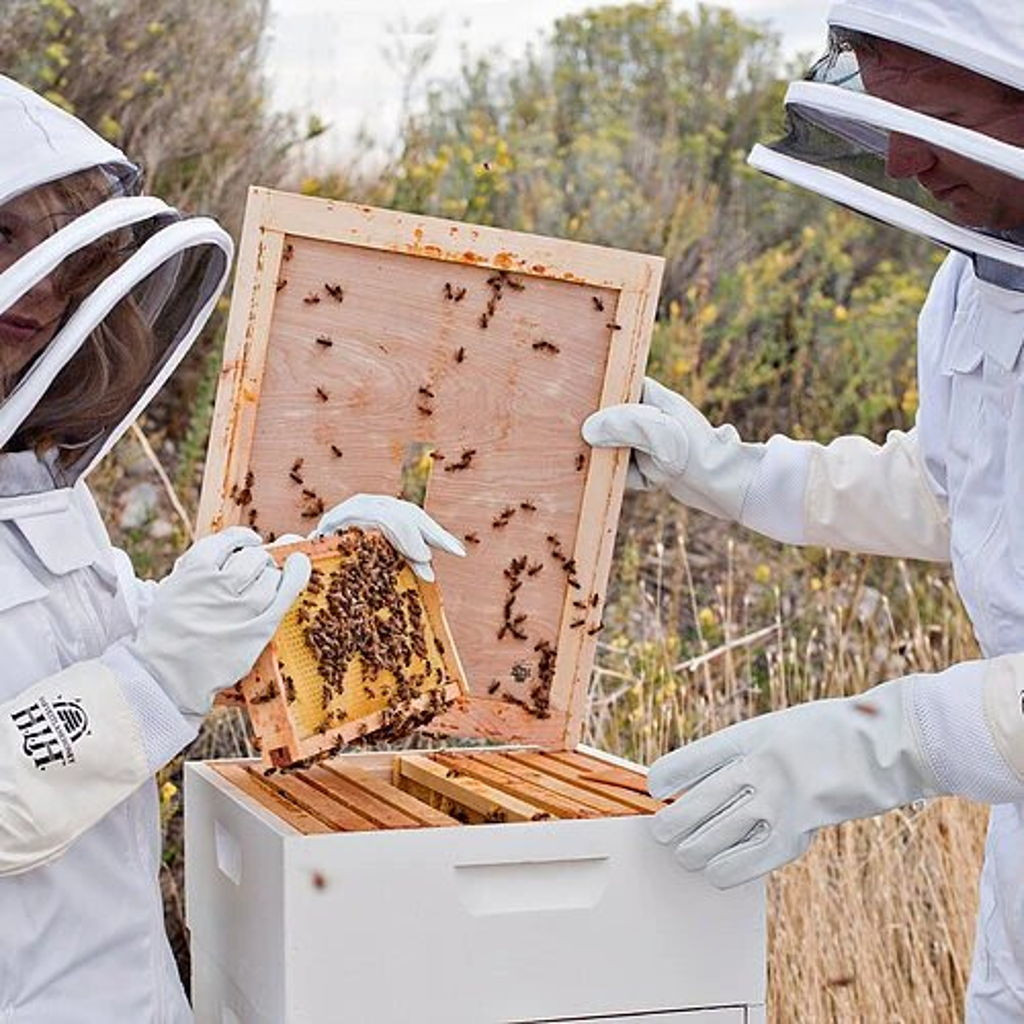
Do not add honey supers too early. Wait until 80-90% of the brood frames are drawn out and capped with honey. Prematurely adding space can dilute the colony's ability to defend the hive and regulate temperature, leading to weak brood rearing.
As an Amazon Associate, we may earn from qualifying purchases.
By following this checklist, you build a foundation for a productive apiary. Consistent, gentle inspections will help you understand your bees' rhythm and address issues before they become crises.
No comments yet. Be the first to share your thoughts!