

Inside the Smart Hive
Beekeeping is changing. For generations, success relied on experience and careful observation. Now, affordable sensor technology and artificial intelligence are driving a shift toward data-driven beekeeping. Traditional methods struggle with mounting colony losses and the need for sustainable practices.
Many beekeepers are initially skeptical, which is understandable given the strong tradition of hands-on management. The goal isn’t to replace the beekeeper; it’s to augment their skills with more information and insights for informed decisions. Think of it as having extra eyes and ears in the hive, constantly monitoring conditions and alerting you to potential problems.
Best Bees was an early adopter of smart hive technology, which is now becoming more widespread. Companies like Best Bees offer systems to help beekeepers manage colonies more effectively, reduce losses, and ensure the health of these essential pollinators. The technology is finally catching up to the need, becoming more accessible and reliable.
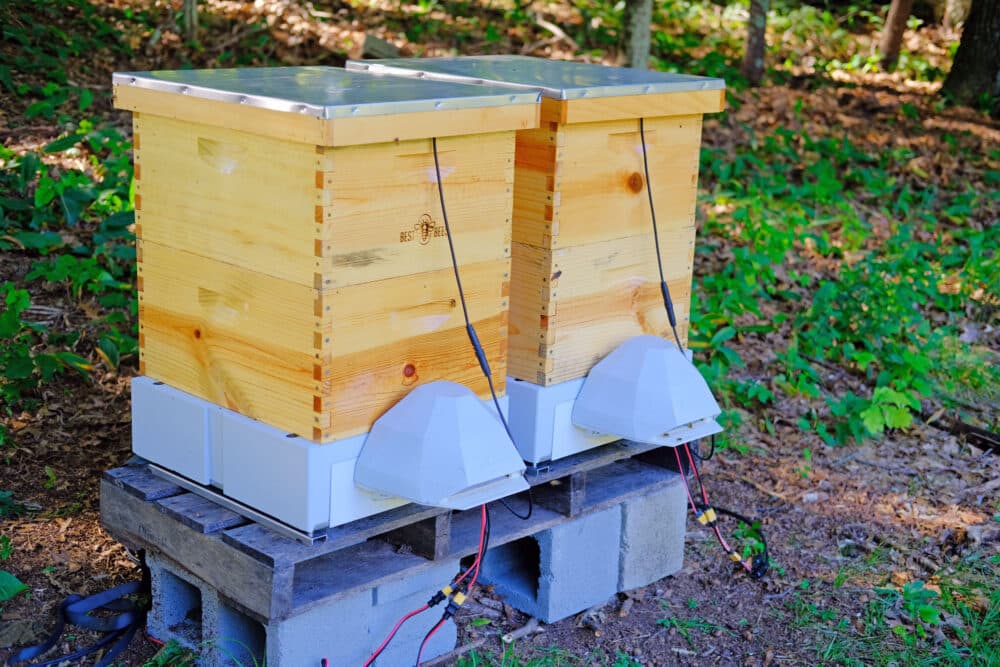
Core Technologies: Sensors and Data
Smart hive systems use sensors to collect data about the colony’s internal environment and behavior. Weight sensors are common, providing information about honey production and colony strength. A sudden increase in weight suggests a good nectar flow, while a decrease might signal robbing or a decline in bee population.
Temperature and humidity sensors monitor brood development. Maintaining the right temperature is essential for healthy larvae; fluctuations can indicate problems. Acoustic sensors detect subtle hive sounds – the queen's piping, worker buzzing, and signs of stress or disease. Some systems incorporate video cameras for visual monitoring, though this raises privacy considerations.
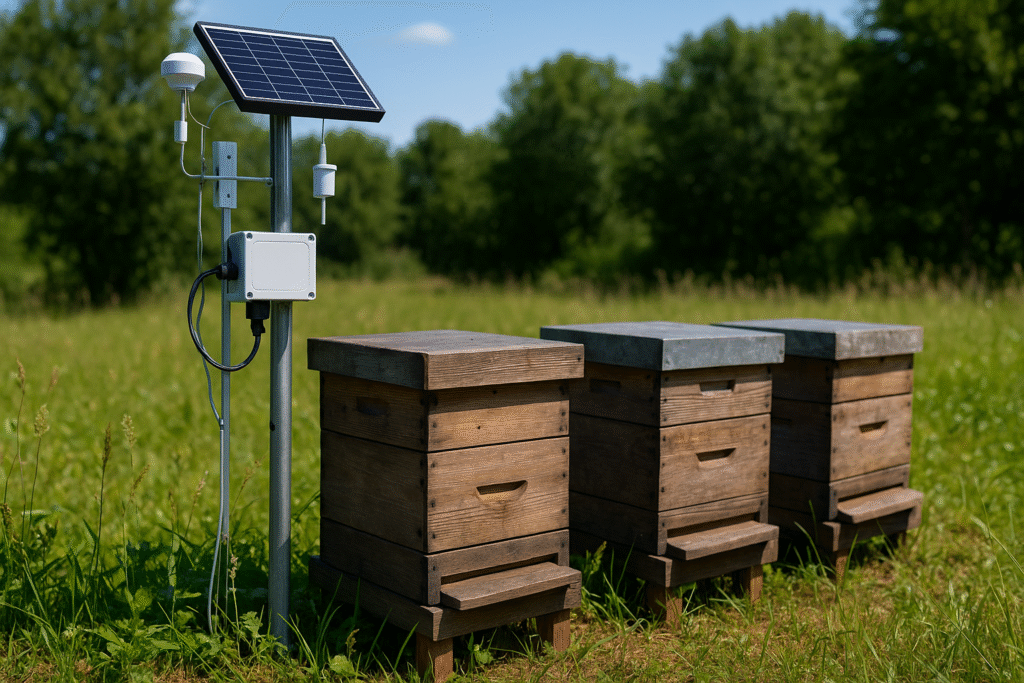
Data must be transmitted and analyzed to be useful. Most smart hive systems use wireless communication technologies like cellular networks, LoRaWAN, or WiFi. Power management is a challenge in remote apiaries; systems rely on batteries, solar panels, or a combination to ensure continuous operation. The University of Florida’s research is pushing boundaries for efficient power solutions for these remote sensors.
AI's Role: From Data to Insights
Smart hive technology transforms raw sensor data into actionable insights using artificial intelligence and machine learning. Algorithms recognize patterns and anomalies, identifying potential problems before they become critical. The focus is on understanding the complex relationships between different variables, not just simple thresholds.
For example, a sudden weight loss combined with acoustic pattern changes might indicate robbing, even if neither factor alone would raise an alarm. Temperature fluctuations coupled with unusual bee behavior could signal diseases like American Foulbrood. The AI interprets data, providing beekeepers with early warning systems and predictive analytics.
These systems predict honey yields based on historical data, weather patterns, and colony strength. They recommend optimal hive management strategies, such as when to add supers, feed bees, or move hives to better forage locations. The goal is proactive management – preventing problems before they occur – rather than reactive management. This allows for data-driven decisions, rather than relying solely on intuition.
Complex coding or advanced data science skills are not required for the beekeeper. The AI is handled 'in the cloud,' and the beekeeper interacts with the system through a user-friendly interface, receiving alerts and recommendations in plain language.
Early Warning Systems: Preventing Losses
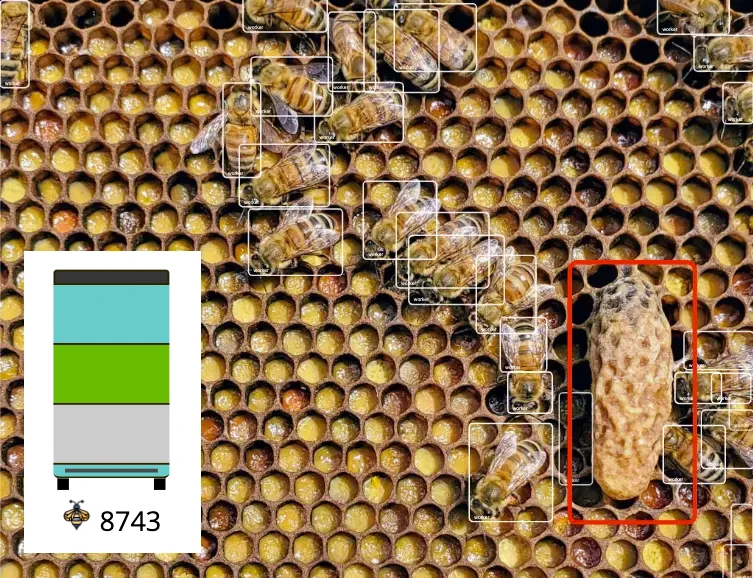
AI-powered beekeeping is impactful for preventing colony losses. Varroa mites are a major threat to honey bee health; early detection is crucial for effective treatment. Acoustic sensors show promise in detecting mites by analyzing subtle hive sounds. This allows beekeepers to intervene before mite populations reach damaging levels.
AI can help detect early signs of American Foulbrood, a contagious bacterial disease that can wipe out colonies. By analyzing temperature patterns and bee behavior, the system can identify hives warranting further investigation. Early detection allows for prompt treatment or, if necessary, destruction of the infected colony to prevent disease spread. The cost of inaction is far greater than the cost of intervention.
Predicting swarming behavior is another valuable application. Swarming represents a loss of bees and honey production. AI can analyze colony growth rates, queen activity, and environmental factors to predict swarming, giving the beekeeper time to take preventative measures, such as splitting the colony or removing queen cells. Beekeepers find these systems helpful in reducing annual losses.
Optimizing Honey Production
AI can optimize honey production. By analyzing historical data and real-time conditions, the system identifies optimal times for honey harvesting, maximizing yields without compromising colony health. It predicts nectar flows based on weather patterns and forage availability, allowing beekeepers to strategically position hives to take advantage of these resources.
Data analysis helps beekeepers manage hive resources more effectively, ensuring adequate food stores for winter. The system calculates the amount of honey or supplemental feed needed based on colony size, weather forecasts, and historical consumption rates. This minimizes the risk of starvation during winter, improving colony survival rates.
For commercial beekeepers, small improvements in honey yields translate into financial gains. AI-powered systems can increase efficiency, reduce labor costs, and maximize profitability. This is a tool that helps them stay competitive in a challenging market.
The Cost of Intelligence
Smart hive technology isn’t cheap. The initial investment in sensors, communication infrastructure, and software can be substantial. Pricing models vary, with some companies offering subscription services and others selling hardware outright. Costs depend on the operation size and included features.
Consider the return on investment. Reduced colony losses, increased honey yields, and more efficient management contribute to financial benefits. The cost of not using these tools – losing colonies, wasting time on manual inspections, and missing opportunities to optimize production – should also be factored in.
Estimates range from a few hundred dollars per hive for basic monitoring to over a thousand
- Initial hardware and software costs
- Ongoing subscription fees (if applicable)
- Maintenance and repair costs
- Data storage and processing fees
Future Trends: What’s Next?
The future of AI-powered beekeeping is full of exciting possibilities. We’re likely to see the development of more sophisticated sensors capable of monitoring a wider range of parameters, such as pollen composition and bee stress levels. Drone-based hive inspections are also on the horizon, allowing for rapid and non-invasive assessment of colony health.
Automated disease diagnosis is another area of active research. Imagine a system that can automatically identify and diagnose diseases based on images or acoustic data, eliminating the need for manual inspection and laboratory testing. AI-powered queen rearing could also revolutionize queen breeding, optimizing genetics and improving queen quality.
Integrating smart hive data with regional weather forecasts and pollination maps will create even more powerful insights. This will allow beekeepers to anticipate challenges and opportunities, making more informed decisions about hive placement, forage management, and honey harvesting. Data privacy and security will become increasingly important as more data is collected and shared. It’s crucial to ensure that beekeepers retain control over their data and that it’s used responsibly.
Resources and Getting Started
If you’re interested in learning more about smart hive technology, there are several excellent resources available. Best Bees () is a great place to start, offering a range of smart hive systems and related services. The University of Florida’s Entomology and Nematology Online program () provides valuable information on sustainable beekeeping practices, including the use of technology.
Finding beekeeping classes that cover smart hive technology can be a bit more challenging, but many local beekeeping associations are beginning to offer workshops and training sessions on this topic. Check with your local association or search online for “smart beekeeping classes” in your area. Don’t hesitate to reach out to other beekeepers who are using these systems – they can provide valuable insights and advice.

No comments yet. Be the first to share your thoughts!