
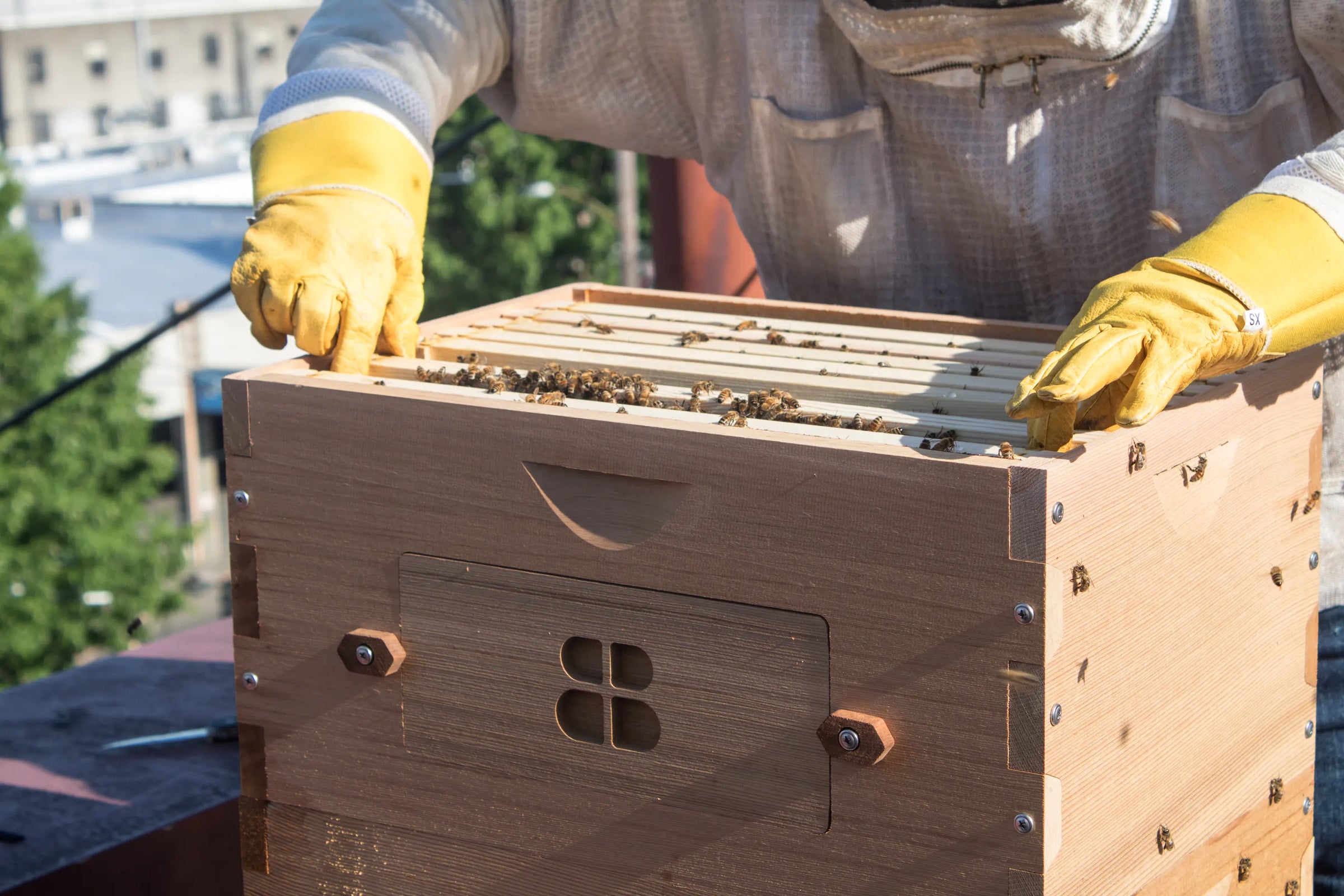

What natural beekeeping means
Natural beekeeping is a philosophy that prioritizes the colony’s health over maximum honey yield. It involves managing bees in ways that mimic their natural behavior, rather than forcing them into standardized, high-production systems. This approach stands in direct contrast to conventional beekeeping, which often relies on artificial wax foundations, chemical treatments for pests, and frequent hive inspections that disrupt the bees.
At its core, natural beekeeping uses natural comb. Instead of starting bees on manufactured wax sheets, practitioners allow colonies to build their own comb from scratch. This ensures the comb is free from chemical residues and allows the bees to construct cells of varying sizes, which some argue supports better brood rearing and pest resistance. The hives themselves are often designed to resemble tree hollows—such as top-bar hives or skeps—providing a more natural environment for the colony.
Another defining feature is the method of colony acquisition. Natural beekeepers often prefer catching wild swarms rather than buying packaged bees or nucs. This practice aligns the colony with the local environment and genetics, as the bees have already demonstrated their ability to survive in the wild. As noted by experts, truly natural beekeeping might even involve setting out empty cavities for swarms to move into, letting nature do the heavy lifting of selection and adaptation.
Best natural beekeeping starter kits
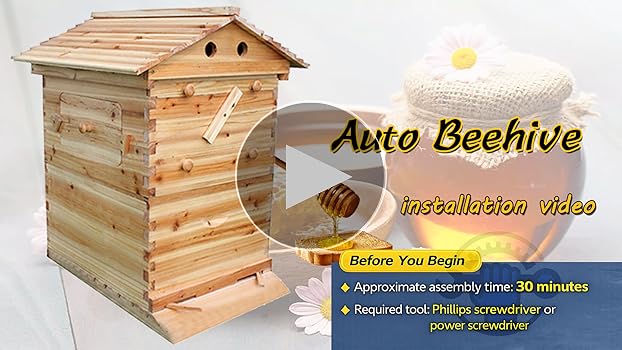
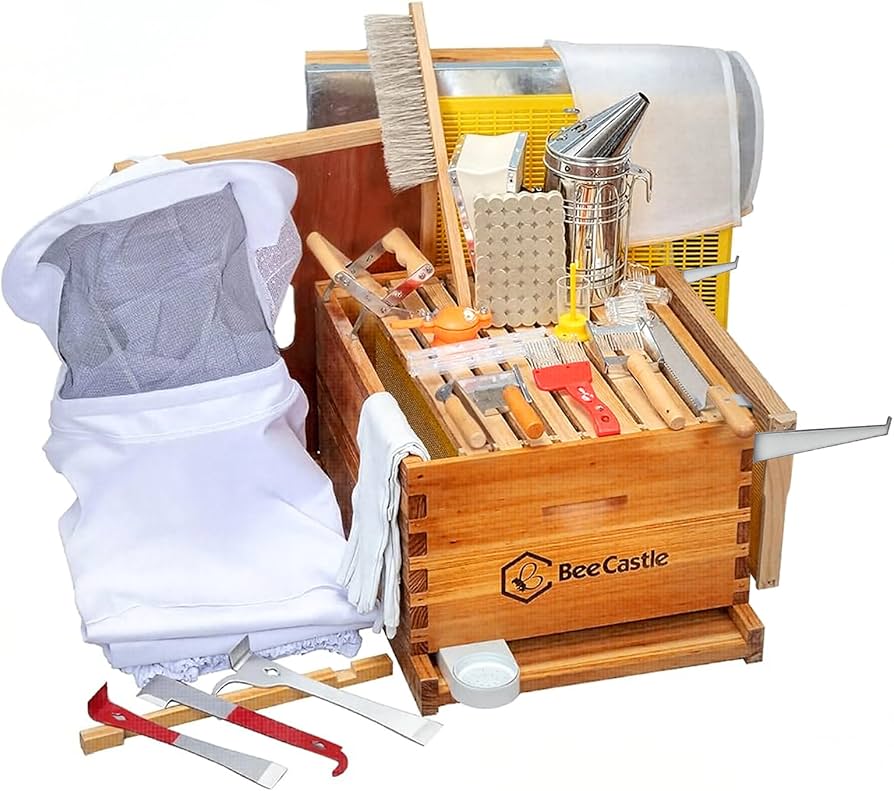
Choosing the right equipment is the first step toward managing bees without synthetic interventions. Natural beekeeping starter kits differ from standard commercial packages by prioritizing materials and hive structures that allow bees to build uncut, natural comb. This approach often involves horizontal hives, top-bar setups, or specialized frame designs that accommodate bees' natural architecture.
For beginners, a complete kit provides the necessary foundation without requiring you to source individual components from multiple vendors. These packages typically include the hive body, top bars or frames, a cover, and sometimes basic protective gear. The goal is to create an environment where bees can thrive with minimal human interference, reducing stress on the colony and eliminating the need for chemical treatments.
The following recommendations focus on kits that support natural comb construction and horizontal hive designs, which are central to natural beekeeping practices. These selections are chosen for their ability to support healthy, locally adapted swarms.

As an Amazon Associate, we may earn from qualifying purchases.
When evaluating these kits, consider the specific beekeeping method you intend to practice. Horizontal hives are particularly effective for capturing wild swarms, a technique championed by experts like Dr. Leo Sharashkin, who emphasizes working with locally adapted bees rather than introducing commercial queens. This method reduces the risk of disease and ensures the colony is suited to your local climate.
| Hive Type | Comb Style | Best For |
|---|---|---|
| Horizontal Top-Bar | Natural/Free-form | Swarm capture and minimal inspection |
| Vertical Natural Comb | Uncut Natural Comb | Honey production with less intervention |
| Standard Langstroth | Foundation-based | Traditional methods (not recommended for natural beekeeping) |
Essential supplies for chemical-free hives
Use this section to make the Natural Beekeeping Techniques decision easier to compare in real life, not just on paper. Start with the reader's actual constraint, then separate must-have requirements from details that are merely nice to have. A practical choice should survive normal use, maintenance, timing, and budget. If a recommendation only works in an ideal situation, call that out plainly and give the reader a fallback path.
The simplest way to use this section is to write down the must-have criteria first, then compare each option against those criteria before weighing nice-to-have features.
Local laws and zoning for beekeeping
Natural Beekeeping Techniques works best as a clear sequence: define the constraint, compare the realistic options, test the tradeoff, and choose the path with the fewest hidden costs. That order keeps the advice usable instead of decorative. After each step, pause long enough to check whether the recommendation still fits the reader's actual situation. If it depends on perfect timing, unusual access, or a best-case budget, include a simpler fallback.
The simplest way to use this section is to write down the real constraint first, compare each option against it, and choose the path that still works outside ideal conditions.
Frequently asked questions about natural beekeeping
Natural beekeeping techniques focus on working with bees rather than controlling them. Here are answers to common questions about starting hives, managing health, and harvesting honey.
Is swarm catching legal in my area?
Swarm catching is generally legal, but local ordinances vary. Some municipalities classify captured swarms as "wildlife" that must be released immediately, while others allow them to be placed in hives. Always check with your local county extension office or beekeeping association before attempting to catch a swarm to ensure you remain compliant with local laws.
Can I manage hive diseases without chemicals?
Yes, natural beekeeping relies on genetics and management rather than chemical treatments. Techniques include using horizontal hives to reduce stress, selecting locally adapted swarm stock for resilience, and maintaining strong colony populations. While this approach minimizes chemical residues in honey, it requires more active observation to address issues like Varroa mites early.
What honey yields should I expect from natural hives?
Natural beekeeping prioritizes colony health over maximum honey production. Expect lower yields compared to conventional commercial operations, as bees retain more honey for their own winter stores. The goal is sustainable, chemical-free honey that supports long-term hive vitality rather than extracting every surplus frame.
No comments yet. Be the first to share your thoughts!