

The 2026 spring trend
Early reports from the California Farm Bureau (Vicky Boyd, March 5, 2026) show a small improvement in hive mortality compared to the 2025 losses. I don't think we should celebrate yet. These numbers are likely a temporary lull. The pressures on our colonies are still there and will probably get worse as the weather warms up.
Several factors contribute to this ongoing vulnerability. Varroa mites continue to be a primary threat, and their resistance to conventional treatments is growing. Pesticide exposure, both from agricultural applications and homeowner use, poses a constant risk. And, increasingly, we're seeing evidence of new or evolving pathogens impacting colony health. Spring is a particularly crucial time because colonies are rapidly expanding, requiring substantial resources and making them more susceptible to stress.
Beekeepers are facing a complex situation where multiple stressors combine to weaken colonies, making them less resilient. A colony already stressed by Varroa mites, for instance, is more vulnerable to the effects of pesticides or a viral infection. This is why a proactive and integrated approach to bee health is more important than ever. We need to be prepared for a challenging season and focus on strengthening colonies from the inside out.

Varroa mites are still the main problem
Varroa mites remain the most significant threat to bee colony health. These external parasites feed on bee hemolymph – essentially, bee blood – weakening individual bees and transmitting viruses. Their lifecycle is intricately linked to the bee brood cycle, allowing them to reproduce rapidly within sealed cells, causing significant damage before beekeepers even notice the infestation.
The development of mite resistance to common synthetic treatments is a major concern. What worked effectively just a few years ago may now have limited impact. This isn’t simply a matter of mites building immunity; it’s often tied to improper treatment application, incomplete coverage, and the mites’ ability to hide within the brood cells. The situation in 2026 feels different because we're seeing resistance develop across a wider range of chemistries.
The impact of Varroa mites isn’t isolated. They act as vectors for numerous viruses, including Deformed Wing Virus and Acute Bee Paralysis Virus, significantly exacerbating their damaging effects. The combination of mite feeding and viral transmission creates a synergistic effect, weakening colonies far beyond what either stressor would cause alone. Monitoring mite levels is essential, using methods like alcohol washes or sugar rolls, but understanding the why behind the numbers is even more important.
Natural mite control options
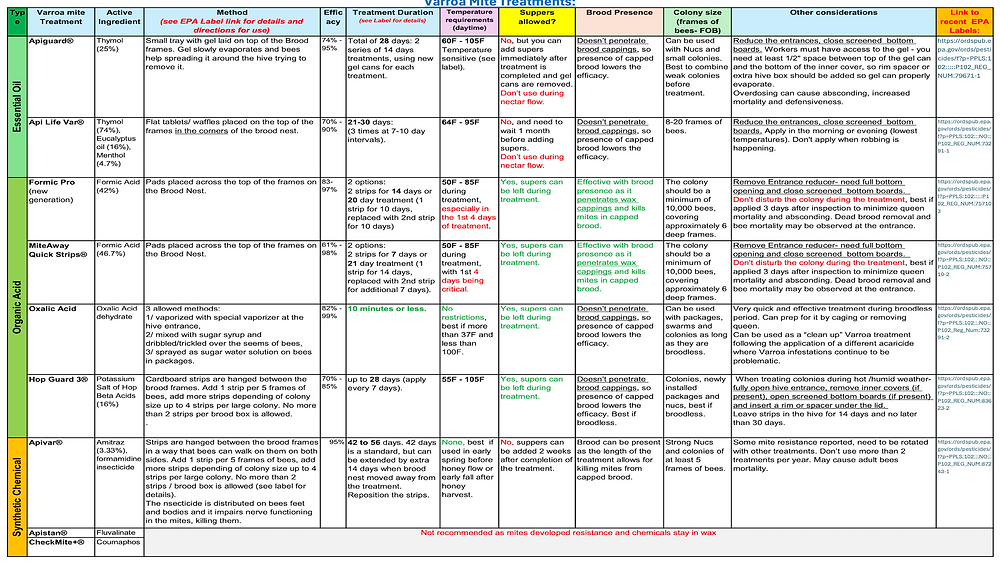
For beekeepers seeking alternatives to synthetic miticides, several natural options exist, though it’s important to acknowledge their limitations. Formic acid (OA) and oxalic acid (OA) treatments are among the most widely used. Formic acid, typically applied using a Mite Away Quick Strip, disrupts mite reproduction, while oxalic acid, often applied via dribble or vaporization, kills phoretic mites – those not currently feeding inside brood cells. Proper application is crucial; following manufacturer's instructions carefully and considering weather conditions is essential for both safety and effectiveness.
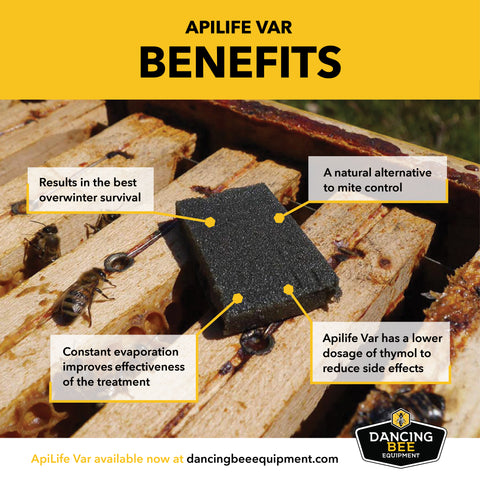
Essential oils, particularly thymol-based products like Apiguard, can also provide some mite control. However, their effectiveness can be variable, depending on temperature, humidity, and the specific formulation used. Drone brood removal is another preventative measure, as Varroa mites prefer to reproduce in drone brood. By removing capped drone brood, you eliminate a significant portion of the mite population. This is labor intensive, but can be a valuable tool, especially in smaller operations.
It’s crucial to be realistic about the limitations of these natural methods. They often require more frequent monitoring and may not achieve the same level of mite reduction as synthetic treatments. However, they are essential for organic beekeepers and those prioritizing a more holistic approach. Combining multiple methods, alongside strong colony health practices, provides the best chance of success. Remember, these are tools for managing mites, not eradicating them.
Feeding and nutrition
Bees need a mix of pollen and nectar. Pollen gives them protein and fats, while nectar is their main energy source. If your local flowers aren't blooming in early spring, use a pollen substitute with 20-25% protein content.
Protein is particularly important for developing larvae and nurse bees. Without adequate protein, bees are more susceptible to disease and less able to withstand other stressors. Sugar syrup feeding can stimulate brood rearing in the spring and help colonies build up stores for the winter. However, it’s essential to avoid honey adulteration; ensure that any sugar syrup is clearly labeled and not misrepresented as honey.
Consider creating a "bee pasture" by planting flowers that provide a continuous source of pollen and nectar throughout the season. Plants like clover, lavender, and borage are excellent choices. A diverse floral landscape not only supports bee health but also attracts beneficial insects that can help control pests. A well-nourished colony is a resilient colony.
Beneficial Bee Plants
- Borage - This annual herb is a fantastic early-season pollen and nectar source. Bees love the vibrant blue flowers! Growing Requirements: Full sun, well-drained soil, relatively drought tolerant.
- Lavender (Lavandula spp.) - A perennial favorite, lavender provides both nectar and pollen, and is highly attractive to honeybees. Growing Requirements: Full sun, well-drained soil, moderate watering.
- Bee Balm (Monarda spp.) - As the name suggests, bees adore bee balm! It offers a substantial nectar source and comes in various colors. Growing Requirements: Full sun to partial shade, moist well-drained soil.
- Sunflower (Helianthus annuus) - A classic choice, sunflowers provide abundant pollen and nectar. Choose single-petal varieties for easier access for bees. Growing Requirements: Full sun, well-drained soil, regular watering.
- Clover (Trifolium spp.) - Both white and red clover are excellent sources of nectar and pollen, and are often found in meadow mixes. Growing Requirements: Full sun, adaptable to various soil types.
- Goldenrod (Solidago spp.) - Often overlooked, goldenrod is a crucial late-season nectar source, helping bees build up stores for winter. Growing Requirements: Full sun, adaptable to various soil types, drought tolerant.
- Willow (Salix spp.) - Early blooming willow trees and shrubs provide a vital pollen source when other options are scarce. Growing Requirements: Full sun, moist soil.
Reducing pesticide risks
Pesticide exposure continues to be a significant threat to bee health. Neonicotinoids, in particular, are highly toxic to bees, even at low concentrations. They can impair navigation, foraging behavior, and immune function. Other pesticides, such as glyphosate, can also have indirect effects on bees by reducing the availability of floral resources.
Beekeepers can minimize exposure by communicating with local farmers and advocating for responsible pesticide use. Choosing hive locations carefully, away from agricultural fields and areas with heavy pesticide application, is also crucial. Reporting pesticide drift incidents to the appropriate authorities is essential, though proving a direct link between pesticide exposure and colony damage can be challenging.
Documenting any unusual bee behavior or mortality events coinciding with pesticide applications can strengthen your case. While it's difficult to eliminate pesticide risk entirely, proactive communication and careful hive placement can significantly reduce exposure. Resources are available through your state’s Department of Agriculture for reporting concerns.

No comments yet. Be the first to share your thoughts!