

Bees under pressure
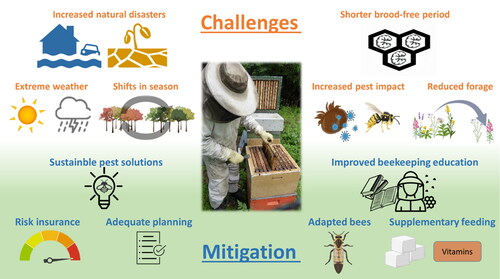
Beekeeping is getting harder because the weather is less predictable. Heat waves are more frequent, and freezes hit right when flowers bloom. UC Davis researchers found in 2023 that these shifts put direct physical pressure on colony survival, forcing us to change how we manage hives.
These shifts disrupt foraging patterns, reduce nectar availability, and stress colonies, making them more susceptible to disease and pests. A prolonged heat wave, for example, can force bees to expend valuable energy cooling the hive, diverting resources away from brood rearing and honey production. Similarly, a late spring freeze can decimate fruit blossoms, leading to a nectar dearth and weakening colonies heading into the summer.
The economic consequences of declining bee populations are substantial. Bees are responsible for pollinating approximately one-third of the food we eat, and their decline poses a serious threat to food security. While the situation is concerning, understanding these impacts is the first step towards implementing effective, proactive strategies to protect our bees and ensure the future of pollination. It’s a challenge, certainly, but one we can address with informed action.
Rethinking hive location
Traditional hive placement, often guided by sun exposure and wind protection, is becoming increasingly unreliable as weather patterns shift. We need to think more strategically about microclimates – the localized conditions within your apiary. These small variations in sun, wind, and temperature can make a big difference in a hive’s ability to cope with extreme weather.
Utilizing natural windbreaks, such as rows of trees or shrubs, can shield hives from harsh winds. Conversely, during the hottest parts of the day, providing artificial shade structures – even simple tarps or shade cloth – can significantly reduce hive temperatures. Orienting hive entrances away from prevailing winds minimizes drafts and helps maintain a more stable internal climate.
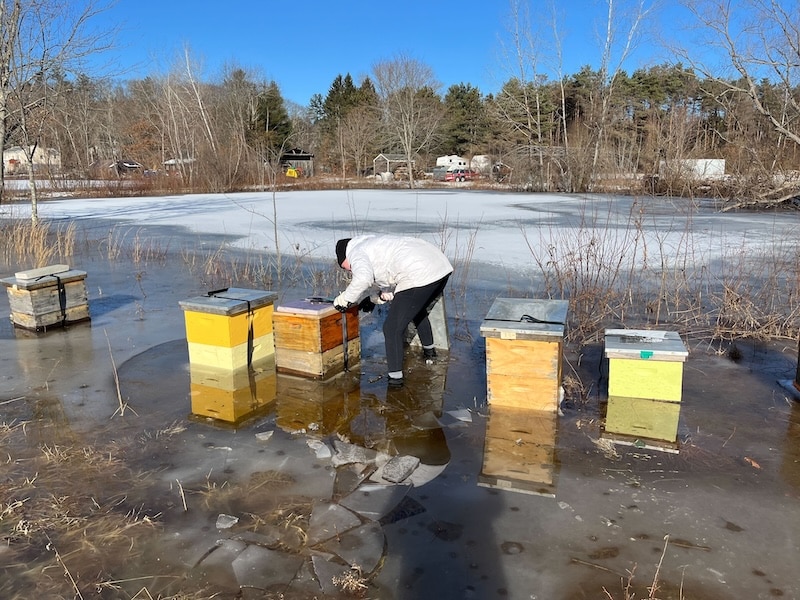
Avoid placing hives in low-lying areas prone to flooding. Even a temporary inundation can be devastating to a colony. Elevation also matters; higher ground generally experiences more moderate temperatures and better drainage. Paying attention to these details can create a more buffered environment for your bees, helping them withstand the increasing unpredictability of our weather.
Thermal regulation inside the hive
What happens inside the hive is just as important as where it’s located. Providing effective thermal regulation can significantly improve a colony’s ability to survive extreme temperatures. Insulation is key. There are several options, from commercially available hive wraps to DIY solutions using materials like rigid foam insulation boards.
The choice of bottom board also plays a role. Screened bottom boards promote ventilation, which is beneficial in hot weather, but can lead to heat loss in the winter. Solid bottom boards offer better insulation but require careful monitoring for moisture buildup. Maintaining proper 'bee space' – the gap bees instinctively create for ventilation and temperature control – is crucial regardless of insulation methods.
Hive color is a common debate. Darker boxes absorb more heat, which helps in cold climates but risks overheating in summer. I've found that paint color matters less than thick insulation and proper airflow. A white or light-colored roof is usually enough to deflect the worst of the summer sun.
Water as a critical resource
Bees need a consistent water source, especially during hot, dry periods. Water isn’t just for drinking; bees use it for evaporative cooling – fanning water droplets to lower hive temperature – and for diluting honey to feed developing larvae. Without readily available water, colonies can quickly become stressed.
Providing a bee watering station is relatively simple. Open water sources, like shallow dishes filled with pebbles or marbles to provide landing surfaces, are effective. Soaker hoses are another good option, and commercially available bee waterers are designed to minimize drowning risks. The key is to keep the water source clean to prevent the spread of disease.
Providing water in freezing temperatures presents a challenge. Heated bird baths can work, or you can bring water to the hive in a syringe or small container. Don’t underestimate this need – even a small amount of water can make a big difference in a colony’s ability to survive a cold snap.
Breeding for resilience
Genetics play a vital role in a bee’s ability to withstand climate-related stressors. Some bee strains are naturally more tolerant of heat, cold, or drought conditions than others. Supporting local beekeepers who are actively breeding for these traits is a great way to contribute to long-term bee health.
Varroa-sensitive hygiene (VSH) bees are gaining attention for their ability to detect and remove Varroa mites, reducing the need for chemical treatments. This trait can improve colony health and resilience overall. However, sourcing truly climate-resilient bees can be difficult, and it's important to avoid creating genetic bottlenecks by relying on a limited number of breeding lines.
I prefer local survivor stock over commercial queens shipped from different climates. Bees that survived a local winter or a record heat wave have the right traits for your specific area. Buying from a neighbor who doesn't treat for mites is often better than ordering a 'certified' breed from a thousand miles away.
New feeding strategies
Climate change is disrupting traditional nectar flows, leading to unpredictable food shortages for bees. Supplemental feeding can help bridge these gaps, but it’s important to do it responsibly. Knowing when to feed – based on hive weight and honey stores – is crucial. Sugar syrup is a common feed, but pollen patties provide essential proteins for brood rearing.
Exploring alternative feed sources, such as drought-resistant plants that provide late-season nectar, can also help. Preparing emergency feed stores – a reserve of sugar and pollen patties – is a wise precaution for unexpected weather events. However, avoid creating dependency by overfeeding; the goal is to supplement, not replace, natural forage.
Responsible feeding also means minimizing the risk of attracting pests like ants and rodents. Use appropriate feeders, keep the area clean, and avoid leaving out large quantities of feed. A well-managed feeding strategy can help your bees survive lean times without compromising their long-term health.
Monitoring and records
Meticulous record keeping is the foundation of successful beekeeping, and it’s even more critical in a changing climate. Tracking colony health, weather patterns, and the effectiveness of different adaptation strategies allows you to make informed decisions. A good record isn’t just a historical document; it’s a valuable tool for predicting future needs.
Consider using weather stations or data loggers to monitor temperature, humidity, and rainfall in your apiary. These devices provide precise data that can help you understand how weather conditions are impacting your bees. Citizen science initiatives, like those tracking bee populations and foraging behavior, allow you to contribute data to larger research projects.
Specific data points to track include brood size, honey stores, mite counts, and any unusual bee behavior. Detailed records will help you identify trends, assess the effectiveness of your interventions, and prepare for future challenges. A well-maintained record is the best asset a beekeeper can have.
No comments yet. Be the first to share your thoughts!