

What makes a hive natural
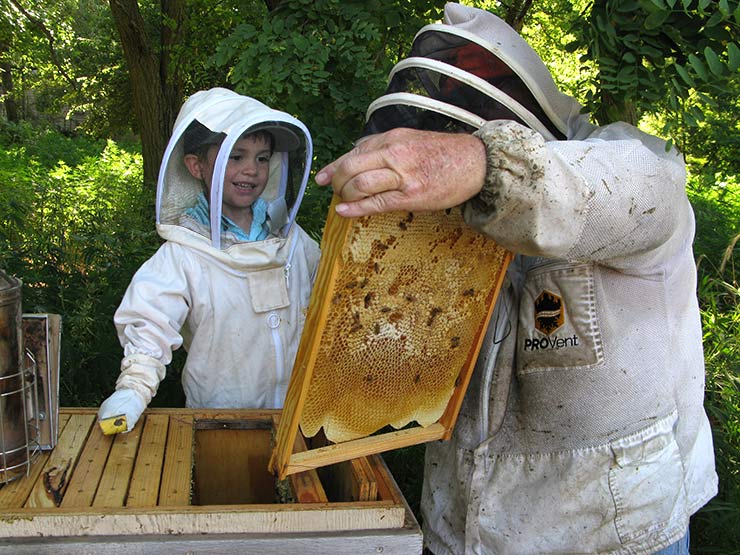
Natural beekeeping centers on letting bees build their own comb structures and manage their own health, rather than imposing human-designed frameworks. The defining feature of this approach is the use of foundationless frames. Instead of inserting pre-stamped sheets of beeswax that force bees into uniform, vertical cells, natural beekeepers provide bare starter strips. This allows the colony to draw out comb that matches their specific needs, often resulting in larger, more irregular cell sizes that can support stronger drone populations and better mite resistance.
This philosophy extends to hive design. While conventional beekeeping relies on vertical Langstroth hives that require heavy lifting and frequent inspections, natural beekeeping often favors horizontal or top-bar designs. These structures allow the beekeeper to inspect the hive by simply lifting individual bars, mimicking the way a beekeeper might check a tree cavity. Horizontal hives, such as Warre or Kenyan Top-Bar hives, keep the colony’s structure intact and reduce disturbance, which is critical for maintaining a calm, productive swarm.
The core principle is autonomy. As noted by beekeeping experts like Leo Sharashkin, natural methods involve capturing local swarms and letting them adapt to their environment without chemical interventions or artificial foundations. This means accepting that comb will be irregular and harvesting may require crushing and straining rather than spinning frames. The trade-off is less honey extraction efficiency for significantly healthier, more resilient colonies that are better suited to local climates.
Best horizontal hive kits
Horizontal hives offer a different approach to natural beekeeping by allowing bees to build comb in a single plane. This design makes inspection easier because you can see the entire colony without lifting heavy frames. It is also the preferred method for capturing swarms, as the wide entrance and open space mimic the natural hollow of a tree.
These kits are built for beekeepers who want to minimize chemical treatments and disruption. By using extra-deep frames and foundationless setups, the bees create their own comb architecture, which many find healthier for the colony. The horizontal layout reduces the physical strain of beekeeping, making it accessible for those who find traditional Langstroth hives too heavy.
Top horizontal hive options
The following kits are designed to support natural beekeeping principles. They focus on ease of use and swarm capture suitability.
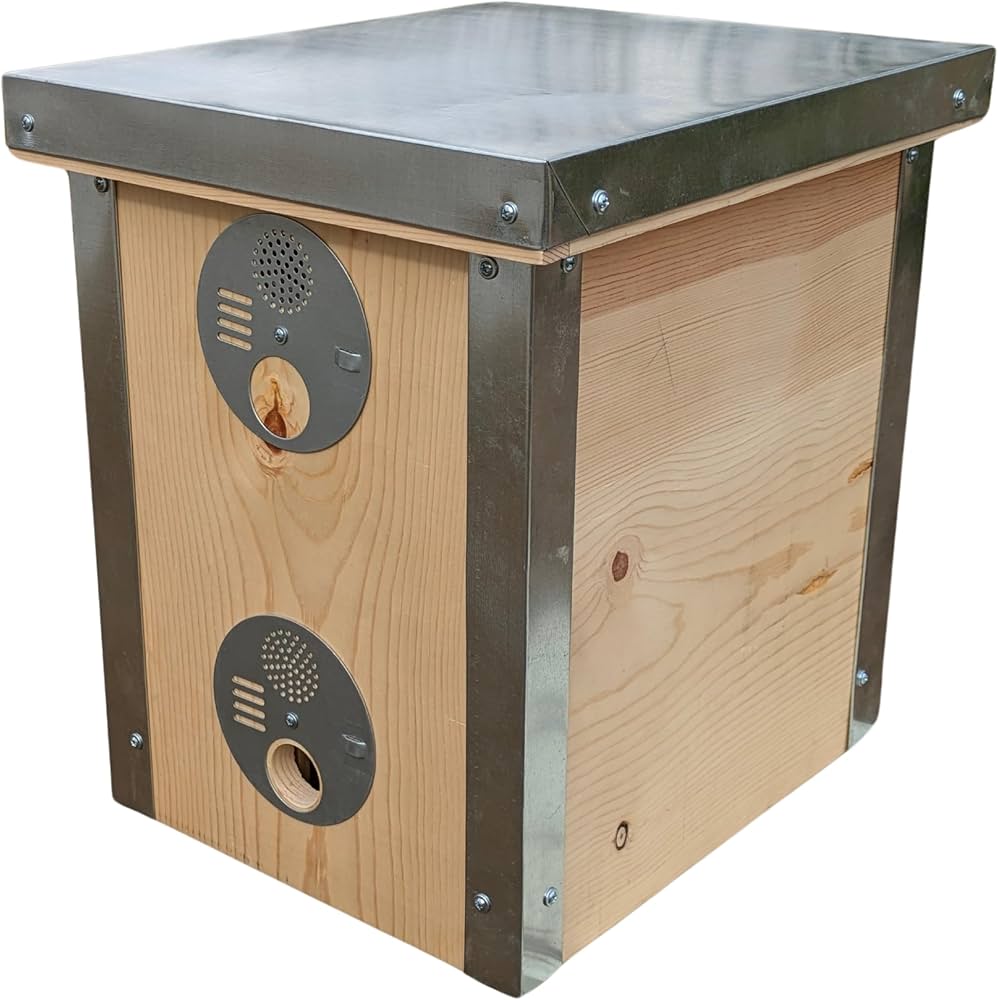
- Extra-deep frames
- Swarm trap ready
- Sustainable materials

As an Amazon Associate, we may earn from qualifying purchases.
Horizontal hives are particularly useful for those who want to observe bee behavior closely. The single-plane layout allows you to watch the colony grow without opening the hive repeatedly. This reduces stress on the bees and helps maintain a more natural environment.
When choosing a kit, look for options that include foundationless frames. These frames allow the bees to build comb exactly where they want it, which is a core principle of natural beekeeping. Kits that support this method often include tools for swarm capture, making them ideal for beginners who want to attract wild bees.
Best top-bar hive kits
Top-bar hives are the go-to choice for natural beekeeping because they allow bees to build straight, vertical comb without any manufactured foundation. This approach mimics the way honeybees build in the wild, resulting in healthier colonies that are better equipped to resist pests and disease. Unlike traditional Langstroth hives that require heavy lifting and complex manipulation, top-bar hives are designed for low-impact management and easy access to honey.
The best starter kits remove the guesswork by bundling the essential wooden components, hardware, and instructions needed to assemble a functional hive. These kits typically include the main box, top bars, and a roof, providing a solid foundation for your apiary. When selecting a kit, look for designs that prioritize ventilation and durability, ensuring your bees have a comfortable environment year-round.
Natural beekeeping methods generally avoid the use of wax foundation, allowing bees to construct their own comb architecture. This process can be more labor-intensive during harvest, as combs are often crushed to extract honey, but it significantly reduces the risk of chemical buildup and disease transmission. By starting with a top-bar hive kit, you are aligning your practice with these natural principles from day one.


As an Amazon Associate, we may earn from qualifying purchases.
Essential natural beekeeping supplies
Starting a hive with natural methods requires specific tools that support colony autonomy. Unlike conventional setups that rely on standardized wax foundation, natural beekeeping prioritizes foundationless frames. These frames allow bees to build comb from scratch, resulting in stronger, more resilient structures that better withstand local pests and diseases. While you can build your own frames, kits like the Flow Hive 6-Frame Starter provide a streamlined entry point for beginners who want to minimize upfront fabrication.
Beyond the hive box, your gear must protect you without compromising the hive’s natural environment. A full-body bee suit with a ventilated veil is essential for handling frames safely, especially when inspecting foundationless hives where comb can be delicate. A standard bee smoker remains your primary tool for calming bees during inspections; using cool, white smoke helps mask alarm pheromones without disrupting the colony’s chemical communication. Avoid heavy, smelly smoke sources that can taint the honey or agitate the bees unnecessarily.
| Item | Purpose | Natural Focus |
|---|---|---|
| Foundationless Frames | Honey storage and brood rearing | Allows natural comb building |
| Bee Suit with Veil | Personal protection | Ventilated fabric for comfort |
| Bee Smoker | Calming bees during inspection | Clean, cool smoke only |
| Hive Tool | Prying frames and scraping propolis | Stainless steel for hygiene |
Other critical supplies include a hive tool for prying apart frames sealed with propolis and a brush for gently moving bees. When selecting materials, prioritize stainless steel hive tools that resist corrosion and are easy to clean. For those interested in deeper methods, resources like BeeBuilt offer detailed guides on natural beekeeping techniques, including why many beekeepers choose foundationless systems to reduce chemical treatments and support healthier colonies.
Starting your natural beekeeping journey
Natural beekeeping relies on working with bees rather than managing them, prioritizing colony health over maximum honey yield. To begin, you need the right equipment and a source of bees. The process is straightforward if you follow a clear sequence from selecting your hive to establishing your first colony.
Select a horizontal or top-bar hive designed for natural comb building. Unlike traditional Langstroth hives, these allow bees to build comb freely without wax foundation, mimicking their wild nesting behavior. This setup reduces stress on the colony and supports stronger immune systems.
Invest in a quality bee suit, gloves, and a smoker. Natural beekeepers often inspect hives less frequently, so having durable protective gear is essential for safe, occasional checks. A smoker helps calm bees during these necessary interventions without disrupting their natural rhythms.
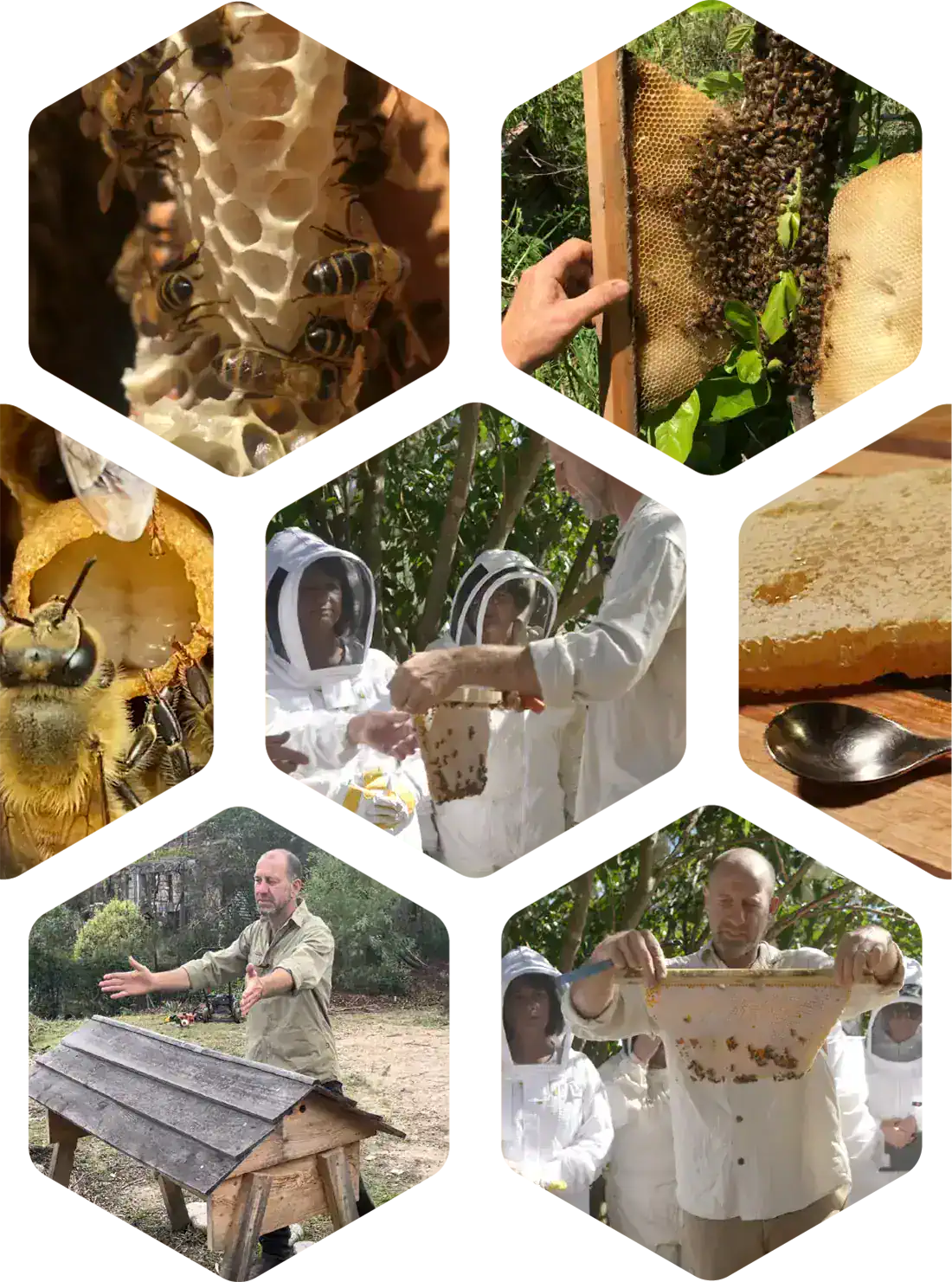
Source local, adapted bees by catching a swarm or buying a package. Dr. Leo Sharashkin, a leading voice in natural beekeeping, recommends catching local swarms as the best way to start. Locally adapted bees are already suited to your climate and resistant to regional pests, giving your hive a strong start.
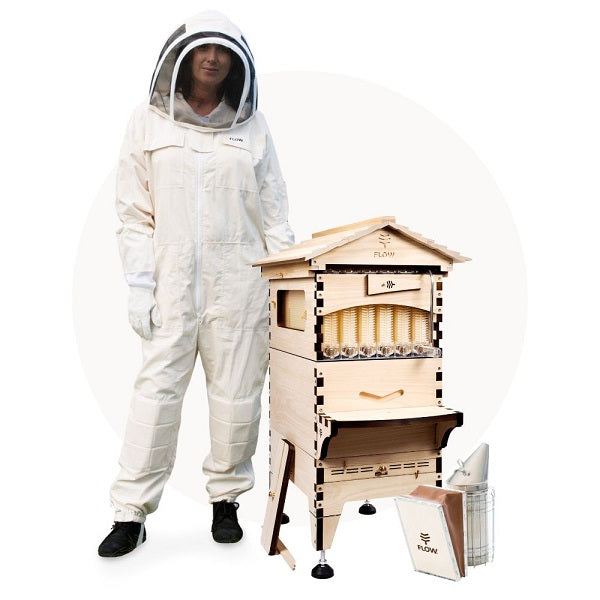
Place the hive in a sunny, sheltered location with easy access to water. Once installed, leave the bees alone for at least four weeks. Natural beekeeping requires patience; frequent inspections disrupt comb building and colony development. Let the bees establish their home before checking progress.

As an Amazon Associate, we may earn from qualifying purchases.
What natural beekeeping actually means
Natural beekeeping is a method that prioritizes mimicking a bee colony's wild behavior rather than maximizing honey yield. The core difference lies in how bees build their honeycomb. In traditional beekeeping, frames contain printed wax or plastic sheets (foundation) that force bees to build straight, uniform cells. Natural beekeepers remove these guides, allowing bees to draw out their own comb structures freely.
This approach fundamentally changes how you harvest. Because the comb is free-form and often attached to multiple frames, you cannot use a standard honey extractor that spins frames to fling honey out. Instead, natural beekeepers typically crush and strain the comb to extract the honey. This ensures the beeswax and all nutrients return to the earth or are repurposed, rather than being discarded or melted down for reuse.
Does natural beekeeping mean no chemicals?
While avoiding synthetic miticides and antibiotics is a major pillar of natural beekeeping, it is not the sole definition. The practice is primarily defined by the absence of printed foundation. However, many natural beekeepers also adopt a hands-off approach to pest management, relying on strong genetics and hive hygiene to survive Varroa mites.
It is important to distinguish this from "biosecure" or conventional organic beekeeping, which may still use foundation and chemical treatments if absolutely necessary. Natural beekeeping is less about a specific checklist of forbidden substances and more about letting the bees build their own architecture. As noted by beekeeping author Dave Cushman, there is no single dogma, but the consensus is clear: no foundation, and often no harvest of brood comb.
No comments yet. Be the first to share your thoughts!