

Calculate your total startup investment
Before you buy your first hive, you need a clear picture of the capital required to start. Beekeeping is not a low-cost hobby; it is a serious financial commitment that involves upfront equipment purchases, live animals, and regulatory fees. Underestimating these costs is the most common mistake new beekeepers make, often leading to abandoned hives within the first year.
The primary drivers of your initial expense are the number of hives you plan to manage and the quality of your protective gear. While some sources suggest you can start with as little as $1,000 for a single hive, this figure often excludes essential tools, high-quality Personal Protective Equipment (PPE), or the mandatory legal registrations required in many jurisdictions. A more realistic budget for a serious starter setup typically ranges from $1,200 to $1,500 for one hive, scaling up significantly if you begin with multiple colonies.
Use the calculator below to estimate your specific startup costs. Adjust the number of hives, the cost of the bee package, and your chosen equipment tier to match your local market and legal requirements. This tool helps you visualize the total cash outlay before you spend a dime, ensuring you are prepared for the initial investment rather than surprised by hidden costs.
Essential Beekeeping Supplies and Prices
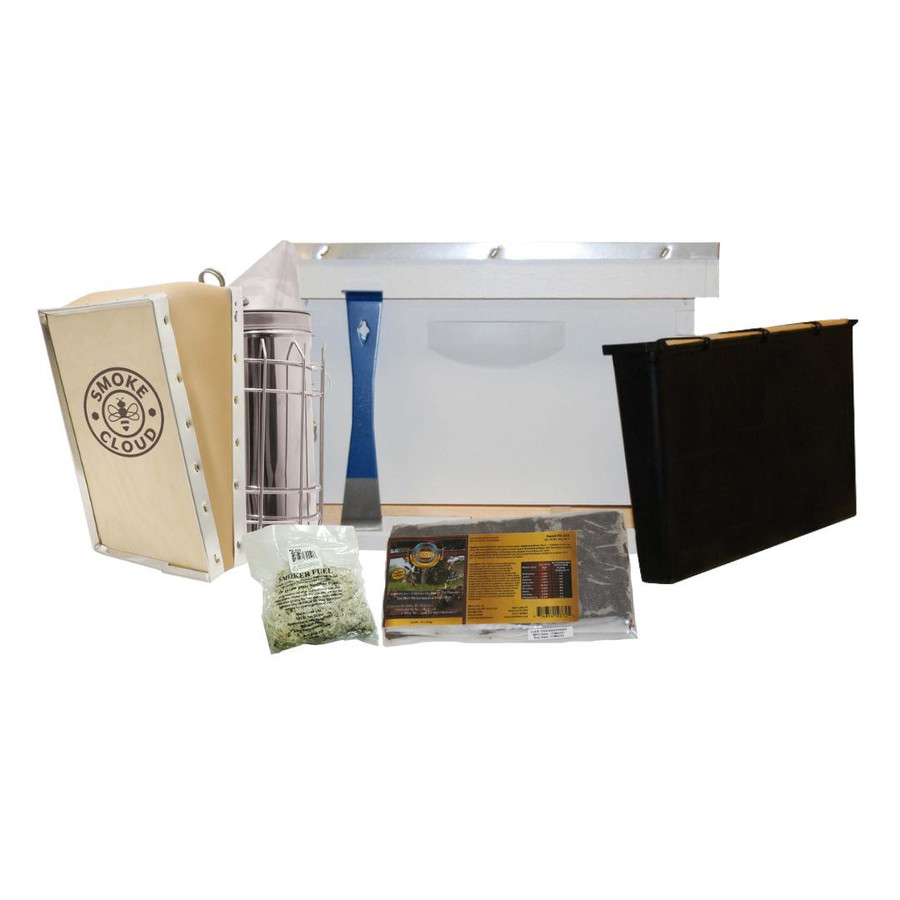
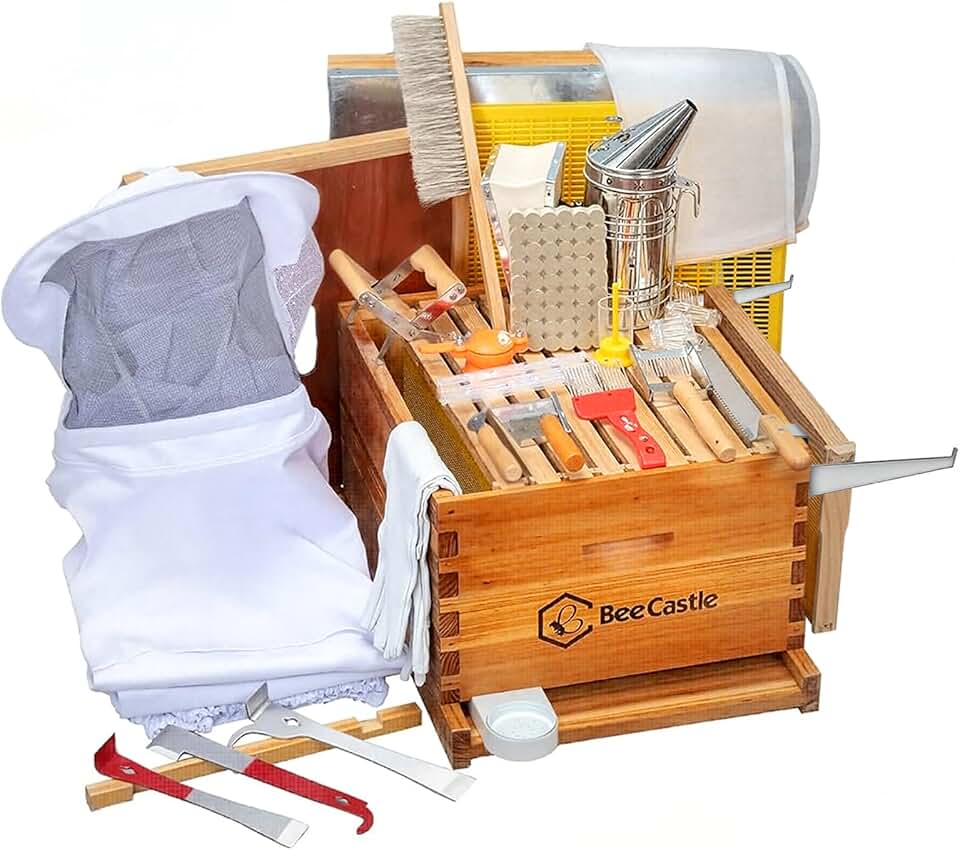
Starting a hive requires specific equipment that differs significantly from general gardening supplies. The initial investment covers durable hardware designed to withstand outdoor elements and protect both the beekeeper and the colony. Below is a breakdown of the core components found in a standard Langstroth starter kit, which remains the industry standard for beginners.
The Hive Structure
The hive itself is the largest expense. A standard 10-frame Langstroth setup includes a bottom board, one or two deep brood boxes, a queen excluder, honey supers, and inner/outer covers. These parts are typically made from cedar or pine, which resist rot and insulation properties. Expect to pay between $300 and $450 for a complete, assembled kit from reputable manufacturers like Mann Lake or Dadant. While unfinished wood is cheaper, it requires immediate painting or staining to prevent warping.
Protective Gear and Tools
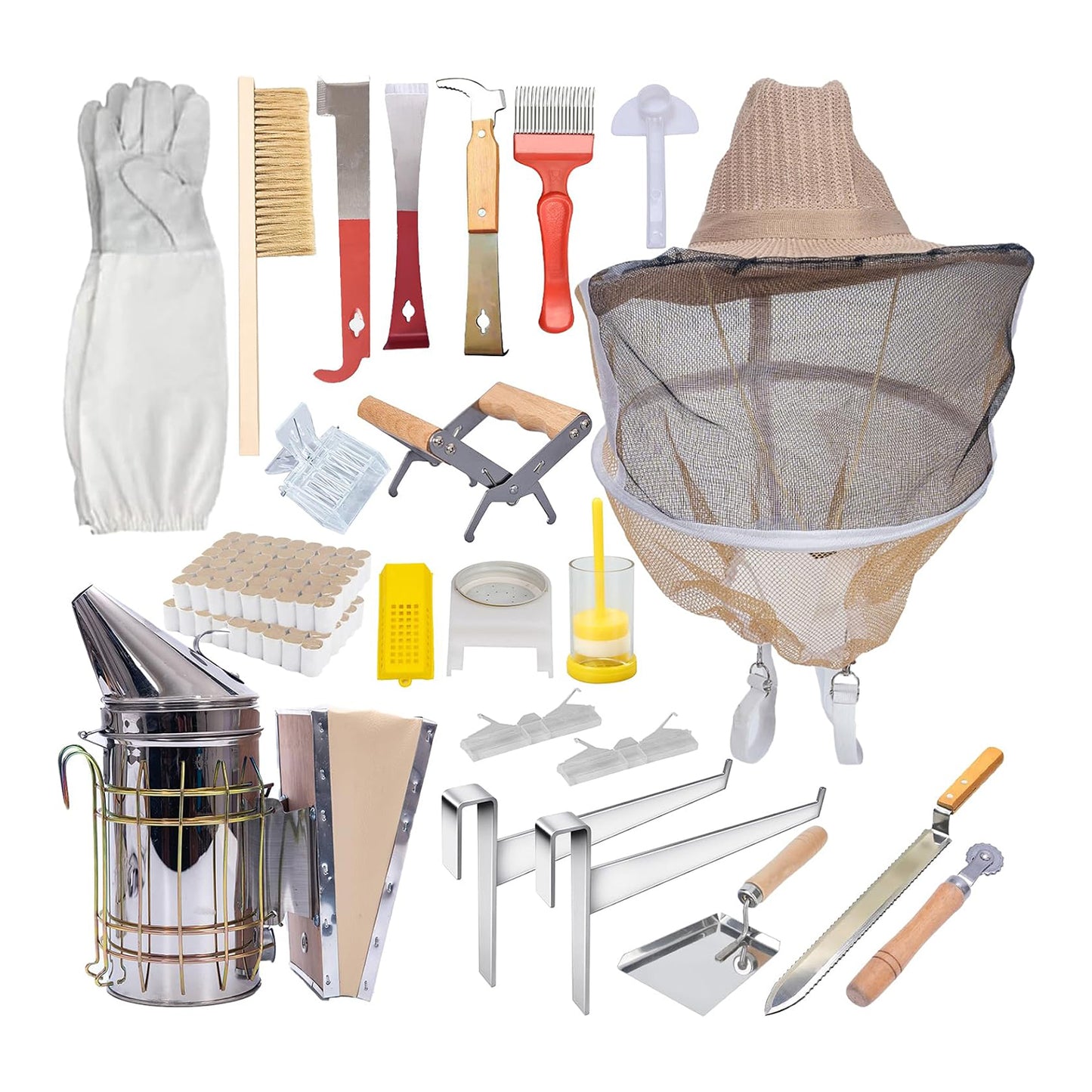
Safety is non-negotiable. A ventilated jacket or full suit with integrated gloves typically costs between $40 and $80. Cheaper, thin vinyl suits often offer little protection against stings and reduce mobility. You also need a hive tool—a flat metal bar used to pry apart frames glued together by propolis. A basic steel hive tool costs about $5–$10. A smoker is essential to calm bees during inspections; a standard 14-inch copper or tin smoker runs $25–$40.
Bees and Consumables
The living colony is usually purchased as a "nuc" (nucleus colony) or a package of bees. A 5-frame nuc with a laying queen typically costs $150–$200 in spring, while a package of bees (bees only, no frames) costs $60–$80. You will also need foundation sheets (wax or plastic) to line the frames, which cost roughly $1–$2 per sheet. Initial feed (sugar syrup or fondant) is necessary if the colony does not have enough stored honey, adding another $10–$20 to the first-year cost.


As an Amazon Associate, we may earn from qualifying purchases.
Legal requirements and local zoning fees
Before you buy your first hive, you must plan around the regulatory landscape. Beekeeping is not just a hobby; it is an agricultural activity that intersects with local property laws. Ignoring these requirements can lead to heavy fines or forced removal of your bees.
Zoning Laws and Setbacks
Most municipalities have specific zoning ordinances that dictate where hives can be placed. These rules often include:
- Lot Size Requirements: Some areas require a minimum acreage to support apiaries.
- Setback Distances: Hives may need to be a certain distance from property lines or neighboring homes.
- Number of Hives: Limits on how many hives are allowed per residential lot.
Always check your local county or city code before purchasing equipment. A
Registration and Inspection Fees
Many states require beekeepers to register their hives annually. This helps authorities track diseases like Varroa mites or American Foulbrood. Registration fees are typically low, ranging from $10 to $50 per year. However, failing to register can result in penalties that far exceed the cost of compliance.
Inspections may also be required. Some counties mandate annual inspections by a county apiary inspector. These inspections are often free, but in some regions, you may be charged a fee for the service. Budget for these recurring costs in your annual beekeeping budget.
Neighbor Relations
While not a legal fee, maintaining good relations with neighbors is a legal necessity in many places. Noise and swarming can lead to complaints. Some local laws require a barrier (like a fence or hedge) to keep bees from flying over neighboring properties. Addressing these concerns early can prevent legal disputes later.
Use the calculator below to estimate your total legal and regulatory costs for the first year.
Annual maintenance and recurring costs
Beekeeping is not a one-time purchase; it is an ongoing operational commitment. While the initial starter kit covers your first season, keeping colonies alive through subsequent years requires a steady budget for feed, medicine, and equipment replacement. Treating beekeeping as a hobby with fixed costs often leads to unexpected financial strain when hives face disease or starvation.
Essential recurring expenses
The most significant annual cost is typically pest and disease management. Varroa mites are the single greatest threat to honeybee colonies, and unchecked infestations can kill a hive within weeks. You must budget for treatment strips, organic acids, or other miticides. Depending on your region and apiary size, this can range from $20 to $50 per hive per year. Additionally, while bees forage for most of their food, supplemental feeding with sugar syrup or fondant is often necessary during dearth periods in late winter or early fall. This basic feed costs roughly $10–$15 per hive annually.
Equipment degradation is another hidden cost. Frames, foundation, and hive bodies are subject to wear from weather, UV exposure, and bee activity. Wooden components may need re-painting or staining every few years to prevent rot. Plastic components, while durable, eventually become brittle and require replacement. A realistic annual budget should include a small reserve for these repairs, typically $10–$20 per hive, to ensure your equipment remains structurally sound and hygienic.
Comparison of maintenance strategies
Your approach to maintenance significantly impacts your annual spend. Below is a comparison of low-cost versus premium maintenance strategies, highlighting how different approaches affect long-term costs.
| Category | Low-Cost Strategy | Premium Strategy |
|---|---|---|
| Mite Control | Organic acids (oxalic/formic), $15–$25/hive | Synthetic strips + monitoring kits, $30–$50/hive |
| Feeding | Sugar syrup in spring/fall, $10–$15/hive | Protein patties + fondant year-round, $25–$40/hive |
| Equipment | DIY repairs, partial replacements, $10–$20/hive | Annual full inspections + proactive replacement, $30–$50/hive |
| Total Annual Cost | $35–$60 per hive | $85–$140 per hive |
Using the calculator for planning
To estimate your specific annual budget, use the calculator below. Input the number of hives you plan to maintain and select your preferred maintenance strategy. The tool provides a rough estimate of recurring costs, excluding initial setup fees.
Note: These figures are estimates based on average market prices for supplies. Actual costs may vary based on your location, local supplier pricing, and the specific health of your colonies. Always consult local extension offices or experienced beekeepers for region-specific advice.
Risk awareness and financial planning
High-stakes risk awareness is critical in beekeeping. A single disease outbreak or poor harvest can wipe out your investment. It is wise to maintain a financial buffer beyond your calculated annual costs. This buffer should cover emergency treatments, potential colony losses (requeening costs), and unexpected equipment failures. Financial planning in beekeeping is not just about budgeting for the expected; it is about preparing for the inevitable challenges that arise in managing living, breathing colonies.
Checklist for your first year budget
Before you buy your first hive, map out every expected cost. Beekeeping requires upfront capital and annual maintenance that varies by region. Use the calculator below to estimate your total spend, then verify each line item against local regulations.
Check municipal codes and homeowner association covenants before purchasing equipment. Many urban areas restrict hive numbers or require setbacks from property lines. Failure to comply can result in fines or forced removal of your hives.
Most states require apiary registration with the Department of Agriculture. Fees range from $10 to $50 annually. Some states also mandate annual inspections for disease control. Budget for these regulatory fees to keep your operation legal and healthy.
General liability insurance is essential if you keep hives near neighbors or public spaces. Policies typically cost $150–$250 per year. This protects you against claims of stings or property damage, which can otherwise bankrupt a beginner beekeeper.
Beyond the initial kit, you need sugar syrup for feeding, foundation sheets, and protective gear replacements. Set aside $50–$100 annually for these consumables. Skipping this budget line often leads to poor colony health during the first year.
Use this checklist to ensure no hidden costs derail your start. Accurate budgeting prevents financial stress and lets you focus on hive management.
Common beginner beekeeping: what to check next
New beekeepers often worry about hidden costs that don't appear on a starter kit receipt. The reality is that beekeeping requires ongoing financial planning beyond the initial purchase. Understanding these recurring expenses helps prevent unexpected debt and ensures your colony survives its first winter.
How much does it actually cost to start?
The first year is the most expensive because you are buying equipment, bees, and protective gear all at once. Most beginners spend between $1,000 and $1,500 for one or two hives, respectively. This range includes the hive boxes, frames, foundation, bees, a smoker, and a suit. If you buy used equipment, you might save 20–30%, but new gear is safer for beginners who don't know what to look for in repairs.
What are the annual maintenance costs?
After the first year, your costs drop significantly, but they never disappear. You will need to replace sugar syrup or fondant in late fall to help bees survive winter. You may also need to replace frames every few years as they become dark and brittle. Insurance is another hidden cost; many homeowners' policies exclude bee-related liability, so you may need a separate rider or a small business policy depending on your local laws.
Do I need to pay for permits or inspections?
Legal fees vary wildly by location. Some rural counties require no permits, while urban areas often mandate registration fees and annual inspections. In some jurisdictions, you must pay for a local inspector to visit your apiary once a year to check for disease. These fees typically range from $25 to $100 annually. Ignoring these requirements can result in fines much higher than the cost of compliance.
No comments yet. Be the first to share your thoughts!