

Varroa resistance in 2026
Varroa mites have been killing honey bees since they arrived in North America in the late 80s. They feed on larvae and adults, spreading viruses that eventually collapse the hive. The problem is getting harder to manage because mites are developing resistance to the chemical treatments we've relied on for decades.
The mites aren't standing still, either. We’re seeing a growing number of reports of resistance to synthetic miticides like Apivar and CheckMite+. This resistance isn’t a sudden shift, but a gradual increase in the proportion of mites that can survive exposure to these chemicals. This means beekeepers need to use higher doses, rotate treatments more frequently, or explore alternatives – all of which add cost and complexity.
The impact extends beyond just hive health. Weakened bees are less productive, leading to reduced honey yields and pollination services. Colony collapse disorder, while multi-factorial, is often linked to Varroa mite infestations and the viruses they vector. The pressure on beekeepers to maintain healthy hives is immense, and the need for effective, sustainable control methods is more urgent than ever.
Looking ahead to 2026, simply relying on older methods isn’t a viable strategy. The mites will continue to adapt, and the availability of some synthetic miticides may be further restricted due to regulatory concerns. We need a shift towards integrated pest management strategies that prioritize natural methods and minimize reliance on chemicals.
Using formic and oxalic acid
Formic acid and oxalic acid are often presented as the cornerstones of natural Varroa mite control, and for good reason. They are both naturally occurring organic acids that can effectively kill mites without leaving harmful residues in honey. However, simply applying these acids isn’t enough; proper technique and timing are absolutely critical for success.
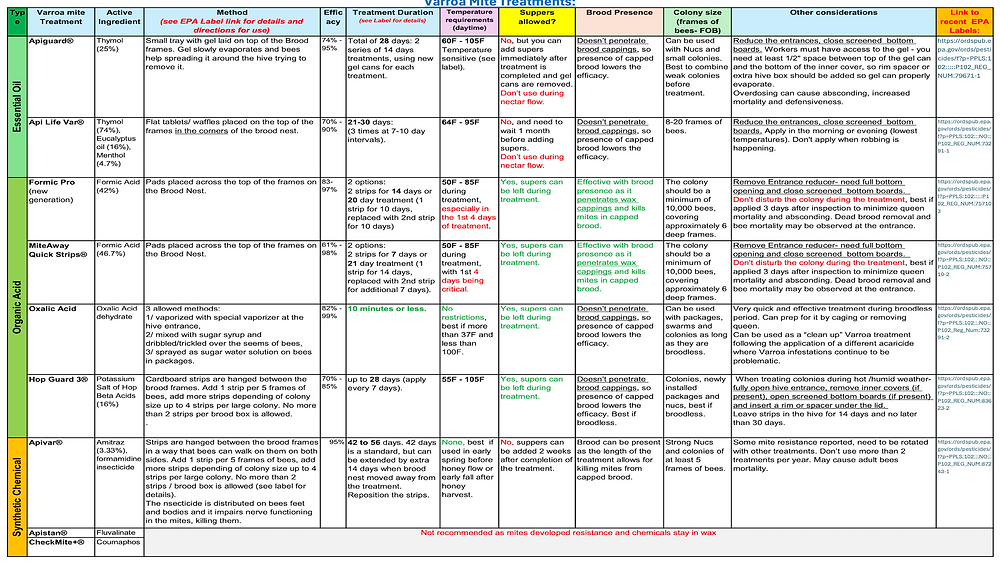
Formic acid, sold under brands like Mite Away Quick Strips, works by releasing vapors that kill mites both inside and outside capped cells. It's most effective during broodless periods or when brood rearing is minimal, as the acid can’t penetrate capped cells. Application rates and exposure times vary depending on temperature and the specific product. Beekeepers must follow label instructions precisely and wear appropriate protective gear – formic acid is corrosive.
Oxalic acid, available as a solution for dribbling or a substrate for vaporization, is most effective when colonies are broodless, typically in late fall or winter. Vaporization involves heating oxalic acid to create a vapor that penetrates the hive and kills mites. Dribbling involves applying a measured dose of oxalic acid solution directly onto the bees. Vaporization requires careful attention to safety and ventilation, while dribbling carries the risk of harming the queen if not applied correctly. Penn State Extension details specific application guidelines on their website.
Recent research emphasizes the importance of monitoring mite drop after treatment with either acid. This helps determine treatment efficacy and identify colonies that may require a follow-up application. It’s also vital to understand that these acids can stress bees, particularly during periods of poor weather or limited food stores. Always ensure colonies have adequate resources before and after treatment.
- Wear a respirator and acid-resistant gloves when handling formic or oxalic acid.
- Follow label instructions precisely – dosage and application rates are crucial.
- Monitor mite drop after treatment to assess efficacy.
- Ensure colonies have adequate food stores before and after treatment.
HopGuard and thymol
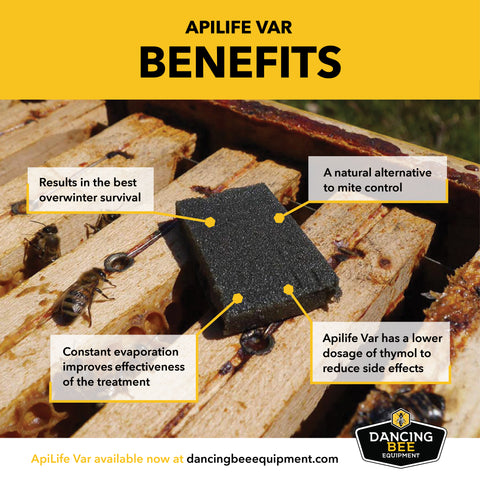
Hop beta acids, marketed as HopGuard, and thymol-based products like Apiguard and ApiLife VAR, offer another avenue for natural Varroa control. These products work by disrupting the mites’ nervous systems, but their effectiveness is heavily influenced by environmental factors, particularly temperature. They’re not a "set it and forget it" solution.
HopGuard, derived from hops used in brewing, is generally considered less harsh on bees than thymol. It requires multiple applications over a period of weeks, and its effectiveness is best when temperatures are between 65°F and 85°F. Proper dosage is key, as under-dosing can lead to mite resistance, while over-dosing can stress the colony.
Thymol-based products, on the other hand, are more potent but also more prone to causing queen problems if used incorrectly. Apiguard, for example, requires specific temperature ranges (above 68°F) for optimal vaporization and mite kill. ApiLife VAR utilizes a gel matrix to deliver thymol more slowly, potentially reducing stress on the bees. However, the gel can dry out in hot weather, reducing its effectiveness.
Resistance to thymol is a growing concern. Studies have shown that repeated exposure can lead to mites developing tolerance. To mitigate this risk, it’s crucial to rotate thymol-based products with other control methods and avoid using them year after year in the same apiary. Pay close attention to the product label and adjust application rates based on colony size and mite load.
Biotechnical methods
Biotechnical methods represent a long-term, sustainable approach to Varroa mite control, focusing on disrupting the mite life cycle rather than directly killing mites with chemicals. These methods require more labor and management, but they can significantly reduce mite populations and improve colony health over time. Drone brood removal is perhaps the most well-known.
Varroa mites prefer to reproduce in drone brood, as drone larvae have a longer development time. By regularly removing capped drone brood from the hive, beekeepers can eliminate a significant proportion of the mite population. The frequency of drone brood removal is critical; weekly removal during the drone-building season is most effective. However, this is a time-consuming task, and it won’t eliminate all mites.
Screened bottom boards allow mites that fall off bees to drop out of the hive, preventing them from re-infesting. While they can reduce mite loads, they are not a standalone solution. Small cell foundation, which encourages bees to build smaller cells, is theorized to disrupt the mite reproductive cycle, but its effectiveness is still debated.
These biotechnical methods are best used in conjunction with other control strategies. They won’t eliminate a heavy mite infestation on their own, but they can help keep mite levels manageable and reduce the need for chemical treatments. It’s important to set realistic expectations and understand that these methods require consistent effort and monitoring.
- Regularly remove capped drone brood during the drone-building season.
- Utilize screened bottom boards to allow mites to fall out of the hive.
- Consider small cell foundation, but be aware of its limitations.
- Combine biotechnical methods with other control strategies for optimal results.
RNAi technology
RNA interference (RNAi) is a new approach that uses short RNA strands to shut down specific genes in the mite. Unlike broad-spectrum chemicals, RNAi is specific; it targets the mite's biology without harming the bees.
The principle is simple: the RNA strands are delivered to the mites when they feed on bee larvae. Once inside the mite, the RNA interferes with the expression of essential genes, preventing them from reproducing or surviving. Several companies and universities are actively developing RNAi-based products for Varroa control.
One promising product currently in development utilizes a delivery system that allows the RNA to be ingested by mites as they feed. Early trials have shown significant reductions in mite populations with minimal impact on bee health. However, challenges remain. Ensuring consistent delivery of the RNA to the mites and preventing degradation of the RNA within the hive are key hurdles.
Regulatory hurdles are also a significant factor. RNAi technology is relatively new, and regulatory agencies are still developing guidelines for its use in agriculture and beekeeping. The timeline for wider availability of RNAi products remains uncertain, but the potential benefits are substantial. This is a space to watch closely.
Breeding for Varroa Resistance
Breeding honey bees for Varroa resistance is a long-term strategy with the potential to significantly reduce our reliance on chemical treatments. Several traits are being selected for, with Varroa Sensitive Hygiene (VSH) being the most prominent. VSH bees exhibit a heightened ability to detect and remove mite-infested brood, effectively limiting mite reproduction.
VSH bees identify mites in capped cells and uncap the cells to remove the infested larvae. This behavior is genetically determined and can be selectively bred for. Other traits being investigated include grooming behavior – bees that actively remove mites from themselves and their neighbors – and hygienic behavior – the ability to detect and remove diseased or infested brood.
The biggest challenge is widespread adoption. VSH queens and stock are not yet readily available in all regions, and maintaining genetic diversity is crucial to avoid inbreeding depression. Beekeepers can find VSH queens from breeders specializing in resistant stock, but it requires a commitment to long-term breeding programs.
Varroa resistance isn't tied to a single gene. It involves several traits working together, which makes breeding difficult. The goal is to get VSH and grooming traits into local survivor stock so the bees can handle mites without constant human intervention.
Varroa-Resistant Bee Strain Comparison for Beginner Beekeepers
| Strain | Varroa Resistance Level | Honey Production | Temperament | Climate Adaptability | Availability |
|---|---|---|---|---|---|
| VSH (Varroa Sensitive Hygiene) | High | Medium | Gentle | Moderate | Increasing |
| New World Carniolan | Medium-High | High | Generally Gentle | Wide | Good |
| Russian | Medium-High | Medium | Can be Defensive | Cold Climates | Moderate |
| Minnesota Hygienic | Medium | Medium-High | Gentle | Cold Climates | Limited |
| Cordovan Italian | Low-Medium | High | Gentle | Warm Climates | Widely Available |
| Buckfast | Medium | High | Generally Gentle | Adaptable | Good |
| Carniolan | Low-Medium | High | Gentle | Cold Climates | Widely Available |
Illustrative comparison based on the article research brief. Verify current pricing, limits, and product details in the official docs before relying on it.
Integrated Pest Management: Putting It All Together
The most effective approach to Varroa mite control isn’t relying on a single method, but rather implementing an Integrated Pest Management (IPM) strategy. IPM involves monitoring mite levels, using a combination of control methods, and rotating treatments to prevent resistance. It's a proactive, holistic approach that prioritizes bee health and sustainability.
Regular mite counts are the cornerstone of IPM. Use methods like alcohol washes or sugar rolls to determine the mite load in your colonies. The threshold for treatment varies depending on the time of year and the region, but generally, exceeding 2-3 mites per 100 bees warrants intervention. Record your mite counts diligently to track trends and assess the effectiveness of your treatments.
A sample IPM plan for beginner beekeepers might include: monitoring mite levels weekly during the active season, performing a fall oxalic acid treatment when brood rearing ceases, and incorporating biotechnical methods like drone brood removal. Rotate between formic acid and thymol-based products in subsequent years to prevent resistance. Consider introducing VSH queens to improve long-term resistance.
The specific plan will need to be tailored to your local climate and bee population. Beekeepers in warmer climates may need to monitor more frequently and implement more aggressive control measures. IPM requires ongoing learning and adaptation, but it’s the most sustainable and responsible way to manage Varroa mites and ensure the health of your colonies.


No comments yet. Be the first to share your thoughts!