

Beekeeping in 2026: What's Changed?
Beekeeping is seeing a surge in interest, but it’s not without its challenges. Colony Collapse Disorder remains a concern, and Varroa mites continue to be a major threat to hive health. However, increased awareness of the importance of pollinators, coupled with a desire for local, sustainable food sources, is driving more people to take up the hobby. More research into mite-resistant bee strains is a promising development.
What’s changed for beginners? More resources are available than ever before, but the information can be overwhelming. The cost of supplies has stabilized after some pandemic-era increases, but careful shopping is still essential. You’ll also find a wider range of hive types available, though Langstroth remains the most common and well-supported.
Beekeeping requires time, dedication, and a willingness to learn. It isn’t always easy, and there will be setbacks. But the rewards – fresh honey, the satisfaction of supporting pollinators, and the fascinating world of the hive – are well worth the effort. This guide aims to get you started on the right foot, minimizing those early challenges.
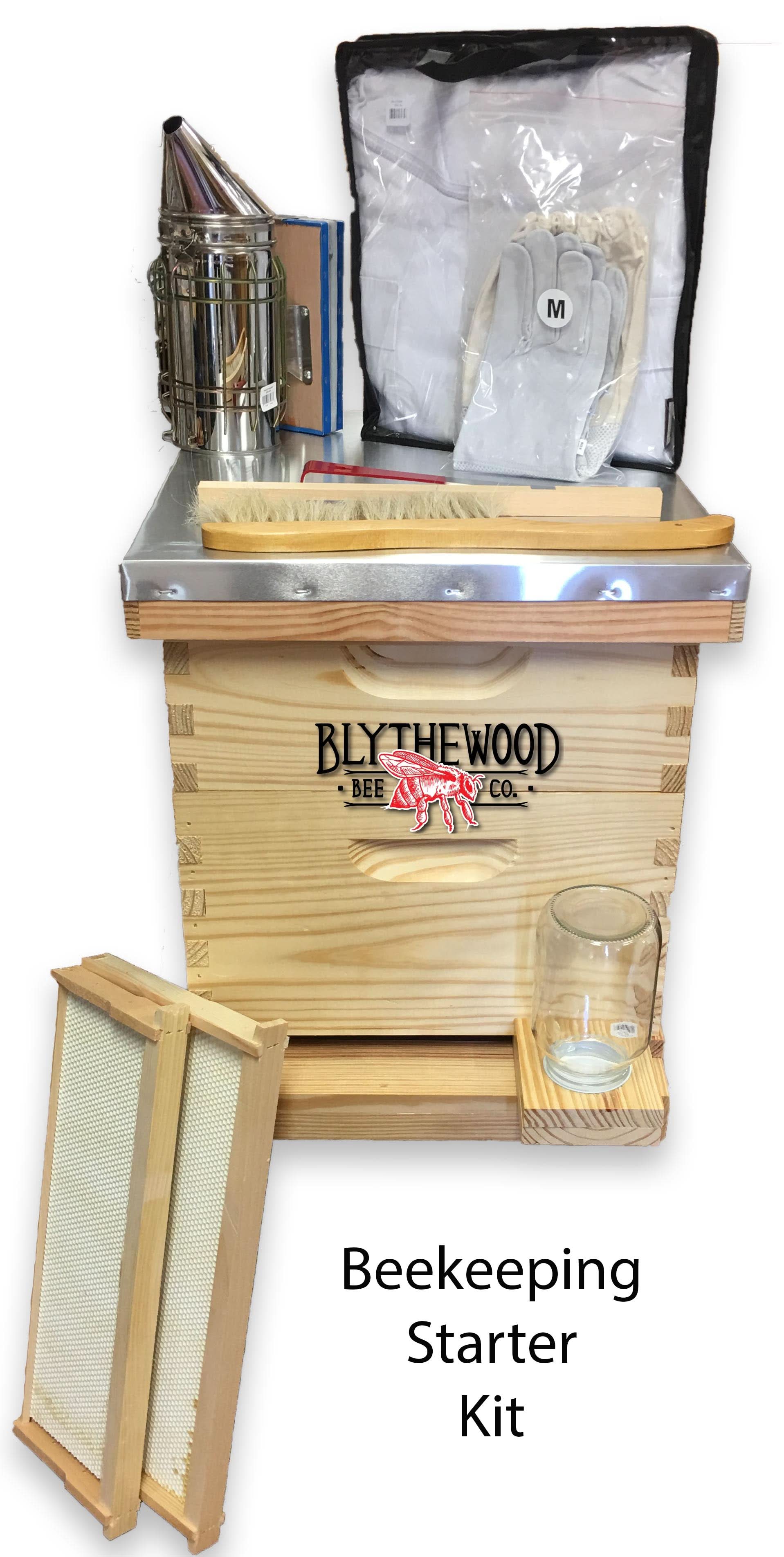
Essential Beekeeping Kit Components
A good beekeeping starter kit will provide the basics, but understanding why each component is important is helpful. At the heart of any hive is the hive itself, typically built around a bottom board, which is the hive’s floor. Above that are hive bodies – often called "supers" – where the bees live and store honey. These bodies hold frames, which are wooden structures the bees build their honeycomb on.
You’ll also need an inner cover, which sits between the hive bodies and the outer cover, providing insulation and a small amount of space. The outer cover protects the hive from the elements. A leaky outer cover can lead to significant problems. Protective gear is equally essential. A full beekeeping suit, including a veil and gloves, is a must to avoid stings.
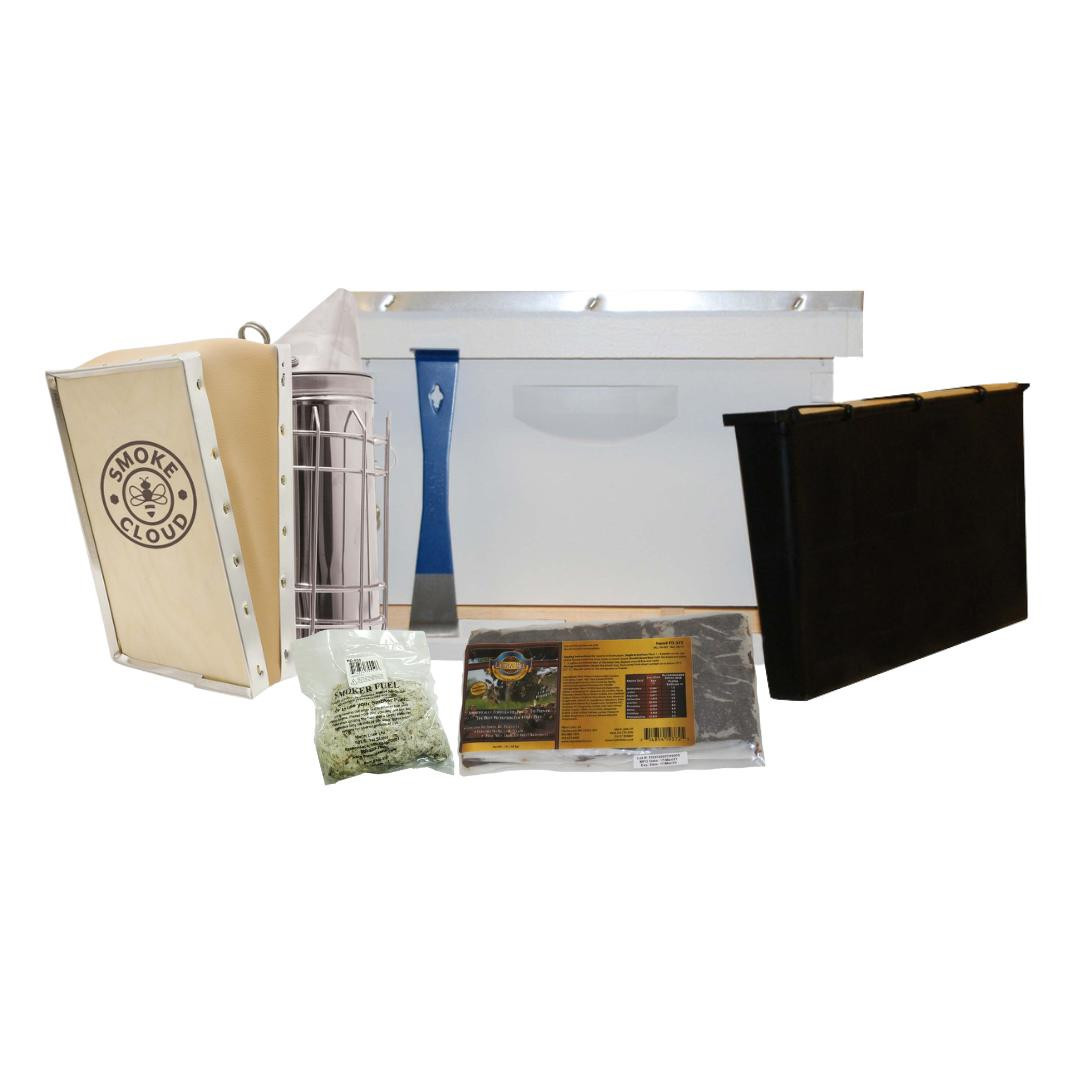
Beyond the hive itself, you’ll need tools. A hive tool is used to pry apart hive components, which bees tend to seal with propolis. A smoker helps calm the bees during inspections, and a bee brush is useful for gently removing bees from frames. Finally, consider feeding and winterizing supplies – a bee feeder and potentially some insulation – depending on your climate.
- Bottom Board: The hive's base.
- Hive Bodies (Supers): Where bees live and store honey.
- Frames: Structures for honeycomb.
- Inner Cover: Insulation and space between bodies.
- Outer Cover: Protection from the elements.
- Beekeeping Suit: Full-body protection from stings.
- Hive Tool: For prying apart hive components.
- Smoker: To calm bees during inspections.
- Bee Brush: For gently removing bees.
Top 5 Beekeeping Starter Kits (Under $300)
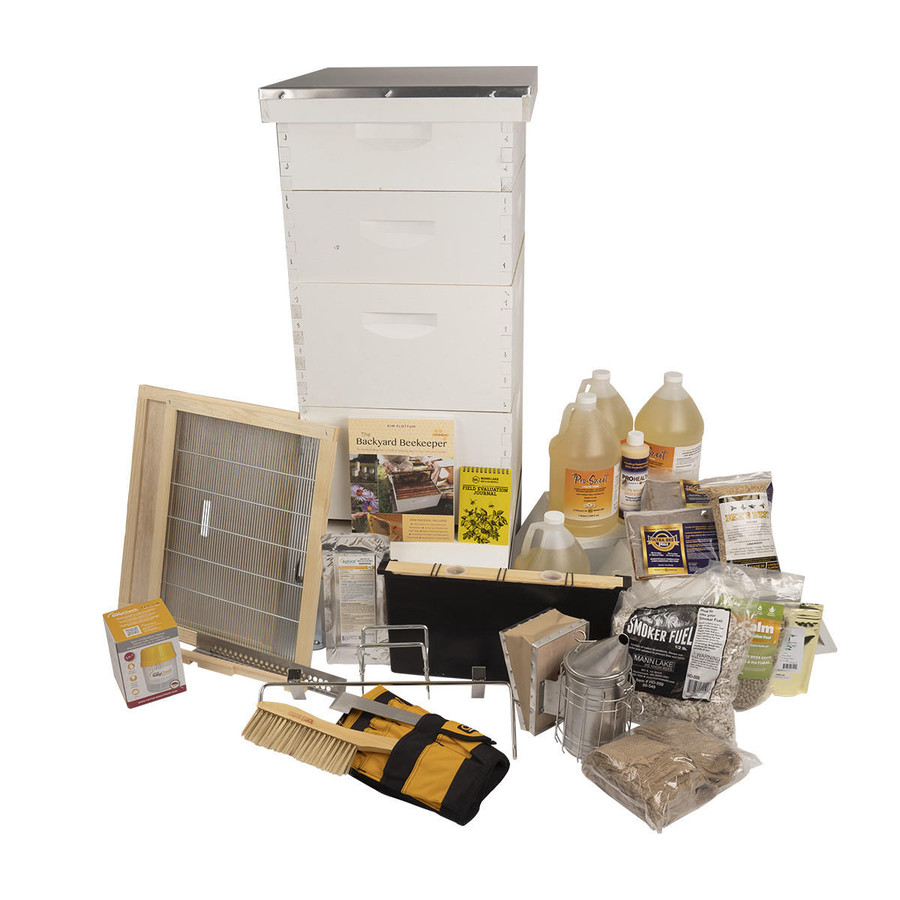
Finding the right starter kit can be daunting. Here’s a look at five options, all priced under $300. Prices fluctuate, so consider these estimates. First up is the Mann Lake Complete Hive Kit. Mann Lake is a well-respected name in beekeeping, and their kit typically includes all the essential components: hive bodies, frames, inner and outer covers, and sometimes even a basic hive tool. It’s usually a Langstroth hive, constructed from pine. Expect to pay around $220 - $280. Some users report the wood can be a little rough, requiring some sanding.
Next, the Dadant & Sons Complete Hive Kit. Dadant is another long-standing name in the industry. Their kits are known for their quality construction and durable materials. They generally include a similar set of components to the Mann Lake kit, also in Langstroth configuration. Prices are in the $240 - $300 range. Some find Dadant’s instructions less beginner-friendly compared to other brands.
The Bee Built Complete Hive Kit offers a good balance of price and quality. It’s often slightly cheaper than Mann Lake or Dadant, around $180 - $250, making it a good entry point. The wood quality is decent, though not as refined as some of the more expensive options. It also comes in Langstroth style. One thing to note is that some kits require assembly, which might be a deterrent for some beginners.
The VIVO Complete Beekeeping Hive Kit is a popular choice on Amazon, often praised for its value. It generally comes in around $150 - $200. However, the wood quality is typically lower than the other kits mentioned, and some users have reported issues with the fit of certain components. It's a good option if you're on a very tight budget, but be prepared for potential minor repairs or adjustments. It’s Langstroth as well.
Finally, Bee Simply offers a curated Beginner Beekeeping Kit (around $260). We focus on sourcing high-quality components and including helpful resources specifically tailored for new beekeepers. This kit includes a Langstroth hive, a full suit, a hive tool, and a detailed beginner’s guide. We prioritize practicality and ease of use, aiming to make your first year of beekeeping as smooth as possible.
Featured Products

Comprehensive 31-piece kit for beginners · Includes protective bee suit (XL) · Essential tools: smoker, hive tool, frame grip, marking pen
This kit provides a complete set of essential beekeeping tools and a protective suit, making it an excellent value for new beekeepers looking to start with all the necessary gear.
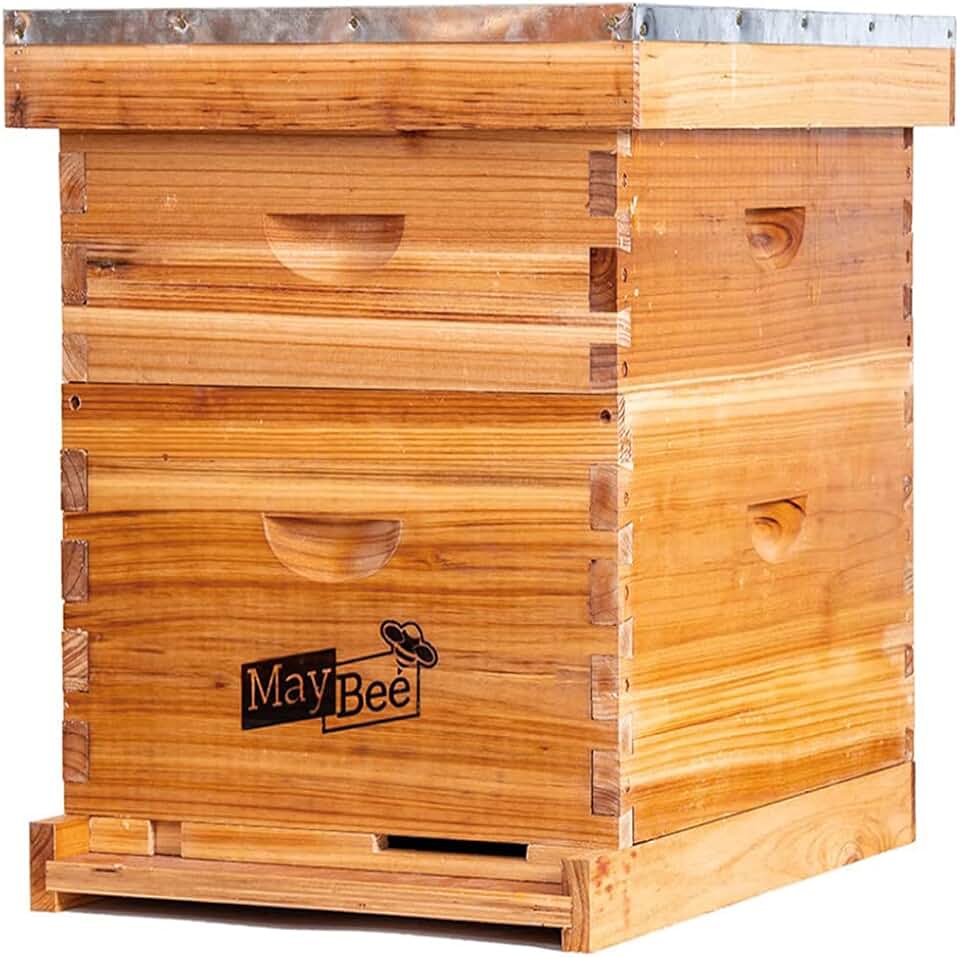
Includes one deep brood box and one super box · Comes with frames and foundations · Designed for beginner beekeepers
This starter hive kit offers the fundamental components for establishing a beehive, including both brood and honey-producing chambers, ideal for those beginning their beekeeping journey.
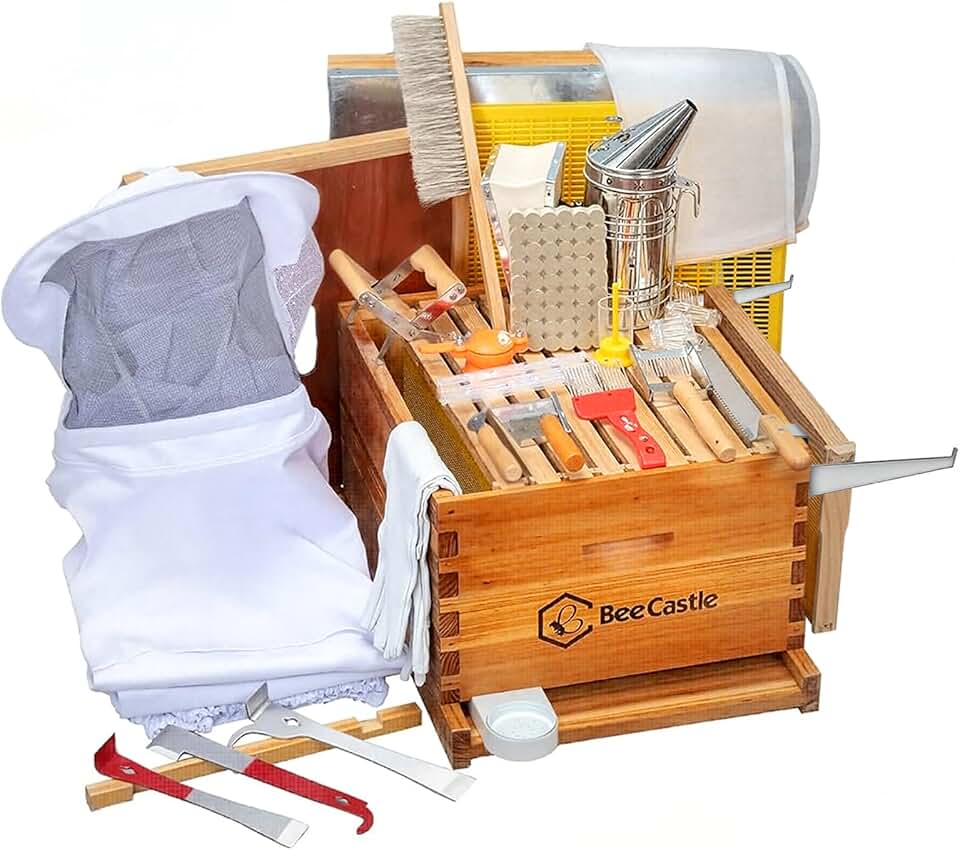
10-frame hive components · Dipped in 100% beeswax for durability · Includes a tool set and bee suit
This beeswax-dipped hive kit provides a durable and complete setup for beginners, ensuring longevity and including all necessary tools and protective gear for a successful start.
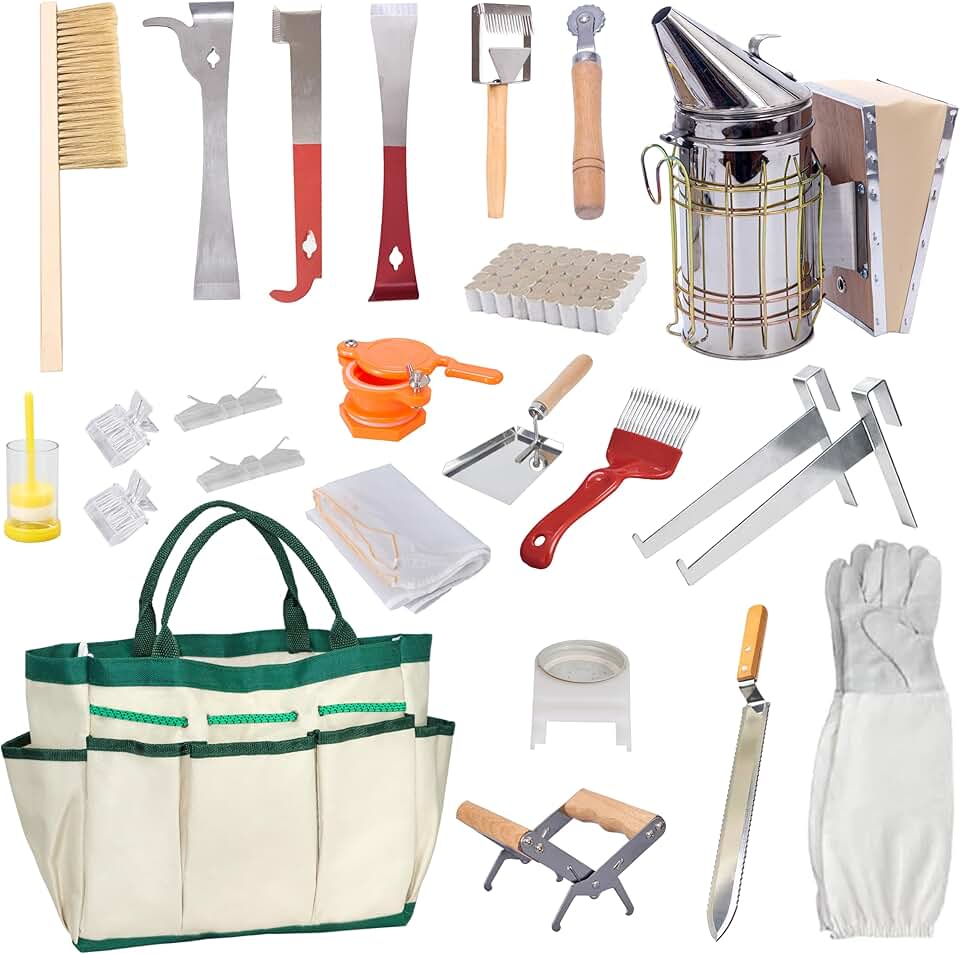
22-piece beekeeping tool kit · Includes an organizer handbag · Suitable for beginners and professionals
This versatile tool kit offers a wide array of essential beekeeping implements, conveniently organized in a handbag, making it a practical choice for both novice and experienced beekeepers.
Comprehensive 31-piece kit for beginners · Includes protective bee suit (XL) · Essential tools: smoker, hive tool, frame grip, marking pen
This kit provides a complete set of essential beekeeping tools and a protective suit, making it an excellent value for new beekeepers looking to start with all the necessary gear.
As an Amazon Associate I earn from qualifying purchases. Prices may vary.
Decoding Hive Types: Langstroth vs. Top Bar
When choosing a starter kit, you’ll encounter different hive types. The Langstroth hive is by far the most common, representing the vast majority of hives used in the United States. It’s characterized by its stackable boxes and standardized frames, making inspections and honey harvesting relatively straightforward. This standardization also means there’s a wealth of information and support available for Langstroth beekeepers.
The Top Bar hive, on the other hand, is a more natural approach to beekeeping. Bees build their comb directly on wooden bars, without the use of frames. This mimics their natural nesting behavior and is often favored by beekeepers who want to minimize intervention. However, Top Bar hives can be more challenging to inspect and harvest honey from, and there’s less readily available information compared to Langstroth.
For beginners, I generally recommend starting with a Langstroth hive. The standardized design and abundance of resources make it easier to learn the ropes. While Top Bar hives have their appeal, they require a deeper understanding of bee behavior and a willingness to adapt to a less conventional system. Cost-wise, Langstroth and Top Bar hives are often comparable at the starter kit level, but finding replacement parts for Top Bar hives can sometimes be more difficult.
Beyond the Kit: Additional Costs to Consider
The initial cost of a starter kit is just the beginning. You’ll also need to budget for bees themselves – a package of bees typically costs around $150 - $200, while a nuc (nucleus colony) can range from $200 - $300. Sugar for feeding is an ongoing expense, especially during the fall and winter months. A 50lb bag of sugar costs roughly $30 - $40.
Varroa mite control is essential for hive health, and treatments can add another $30 - $50 per year. Eventually, you’ll want to invest in honey extraction equipment – a honey extractor, uncapping knife, and filter – which can cost anywhere from $200 to $500 or more. You may also need to upgrade hive components over time, such as replacing worn-out frames or adding additional hive bodies.
Don’t forget about potential costs for beekeeping classes or joining a local beekeeping association. A good class can cost $100 - $300, but the knowledge gained is invaluable. Overall, be prepared to spend at least $500 - $800 in your first year of beekeeping, and ongoing costs of $200 - $400 per year thereafter.
Essential Beekeeping Resources: Classes & Laws
Knowledge is power in beekeeping. Bee Simply offers a comprehensive beekeeping class finder on our website, helping you locate classes near you. We also provide a zip code-based beekeeping law lookup tool, so you can ensure you’re complying with local regulations. These laws vary significantly by location, covering everything from hive placement to registration requirements.
Local beekeeping associations are an invaluable source of support and mentorship. They often hold regular meetings, workshops, and field days, providing opportunities to learn from experienced beekeepers. Online forums, such as those found on Beesource (beesource.com), can also be a great place to ask questions and share experiences.
Staying informed and connected is crucial for success. Beekeeping is a constantly evolving field, and there’s always something new to learn. Don’t be afraid to ask for help, and remember that even experienced beekeepers encounter challenges.
Kit Standouts: What We’re Paying Attention To
After reviewing the kits, a couple stand out for specific reasons. The Bee Simply curated kit continues to impress with its focus on beginner-friendliness and quality components. The inclusion of a detailed beginner’s guide is a significant advantage, and we’ve carefully selected materials that are both durable and easy to work with. If you’re truly starting from scratch, this kit minimizes the learning curve.
For those on a tighter budget, the Mann Lake Complete Hive Kit offers the best balance of price and value. While the wood quality isn’t quite as refined as some of the more expensive options, it’s a solid, reliable kit that will provide everything you need to get started. The Mann Lake name is synonymous with quality in the beekeeping world, giving you peace of mind.
Finally, the Dadant & Sons Complete Hive Kit earns recognition for its durability and construction. If you anticipate needing a hive that will withstand years of use, Dadant’s quality materials are a worthwhile investment. It might require a bit more initial effort to assemble and learn, but the long-term benefits are significant.
Troubleshooting Common Beginner Mistakes
New beekeepers often make similar mistakes. One common issue is improper hive placement. Avoid placing your hive in direct sunlight all day, or in a location that’s excessively windy. A partially shaded spot with good drainage is ideal. Another frequent error is neglecting Varroa mite control. These mites are a major threat to bee health, and regular monitoring and treatment are essential.
Overfeeding is also a common problem. Bees need food, especially during periods of dearth, but excessive feeding can disrupt their natural foraging behavior. Only feed when necessary, and follow recommended feeding guidelines. Finally, many beginners misinterpret bee behavior. For example, bees clustering on the outside of the hive doesn’t necessarily mean something is wrong – it could simply be a sign they’re regulating the hive temperature.
The key to avoiding these mistakes is education and observation. Take the time to learn about bee biology and behavior, and regularly inspect your hive to identify potential problems early on. Don’t be afraid to ask for help from experienced beekeepers, and remember that learning from your mistakes is part of the process. A little patience and careful attention can go a long way.
No comments yet. Be the first to share your thoughts!