

AI in Beekeeping: A 2026 Guide for Beginners
Beekeeping is undergoing a quiet revolution. For generations, successful beekeeping relied on observation, experience, and a deep understanding of honeybee behavior. But now, technology is playing an increasingly important role, and 2026 promises even more integration of artificial intelligence and sensor technology into the apiary.
This isn’t happening in a vacuum. We've seen significant colony losses in recent years, coupled with a growing demand for locally sourced honey and beeswax. At the same time, the cost of sensors and data processing has come down, making 'smart' beekeeping solutions accessible to a wider range of beekeepers.
This guide covers the basics of AI-powered beehive monitoring, the current systems available, and future possibilities. Technology is a tool that supports good beekeeping practices, but doesn't replace them.
The goal is to provide beekeepers with more data for informed decisions and healthier hives. These tools can help manage colonies more effectively, even for beginners.
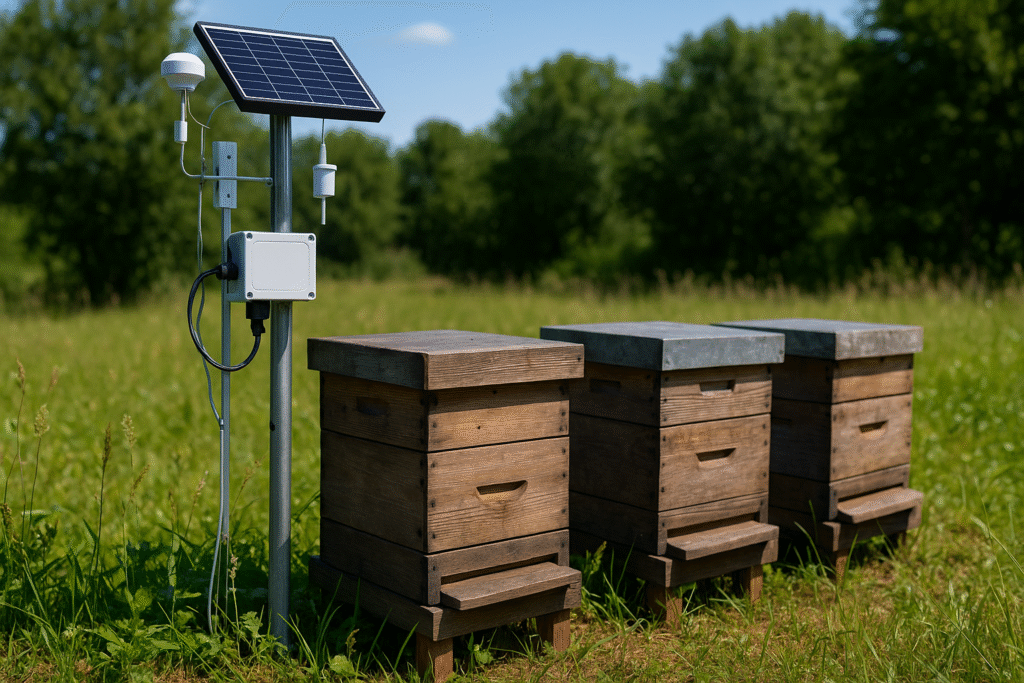
What 'smart' means for a hive
At its heart, a 'smart' beehive system uses sensors to collect data about the colony's environment and activity. These sensors come in several forms, each measuring different parameters. Understanding what these sensors do is the first step to understanding how the whole system works.
One of the most common is the weight scale. Placed under the hive, it continuously monitors the hive's weight, which can indicate honey stores, brood development, or preparations for swarming. A sudden weight loss, for example, might signal a problem.
Temperature and humidity sensors are also crucial. Bees maintain a very precise internal temperature, and deviations can indicate stress or disease. These sensors, typically placed inside the hive, provide constant readings.
Acoustic sensors are gaining traction. They listen to the sounds within the hive – the buzzing of bees, the queen’s piping, or unusual noises that might suggest problems. Analyzing these sounds with AI can reveal a lot about the colony's health.
Some systems even incorporate video cameras, allowing beekeepers to remotely observe the hive's activity. While offering visual insights, these raise privacy concerns that we'll address later. These sensors all feed data to a central hub, often connected to the internet, for analysis.
How AI decodes hive data
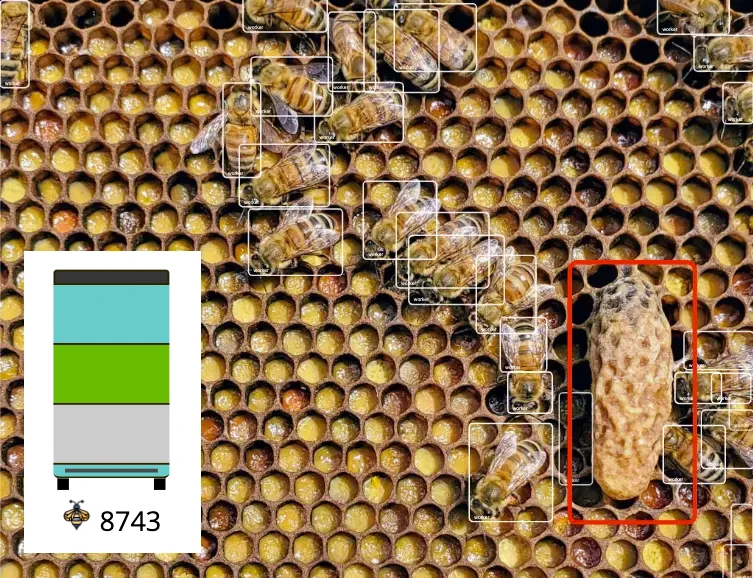
Raw sensor data, on its own, isn't particularly useful. It's the analysis of that data that provides value, and that's where artificial intelligence comes in. AI algorithms are designed to identify patterns and anomalies that a human might miss.
For example, an AI could analyze weight data and identify a pattern that suggests the colony is preparing to swarm, giving the beekeeper time to intervene. Or, it could analyze acoustic data to detect the early signs of a disease, like American Foulbrood, before it becomes widespread.
Many systems use machine learning to 'learn' what's normal for your hive. This personalization is important because hive behavior can vary depending on location, climate, and bee genetics. The AI adapts to your specific conditions over time.
The outcome is usually a notification delivered to your smartphone or computer. These alerts might warn you about potential problems, suggest actions you can take, or simply provide insights into the colony's activity. I'm not sure about the specifics of every algorithm, but the goal is always the same: to turn data into actionable information.
- Early disease detection
- Swarm prediction
- Queenlessness identification
- Honey production monitoring
Beginner's guide to current systems
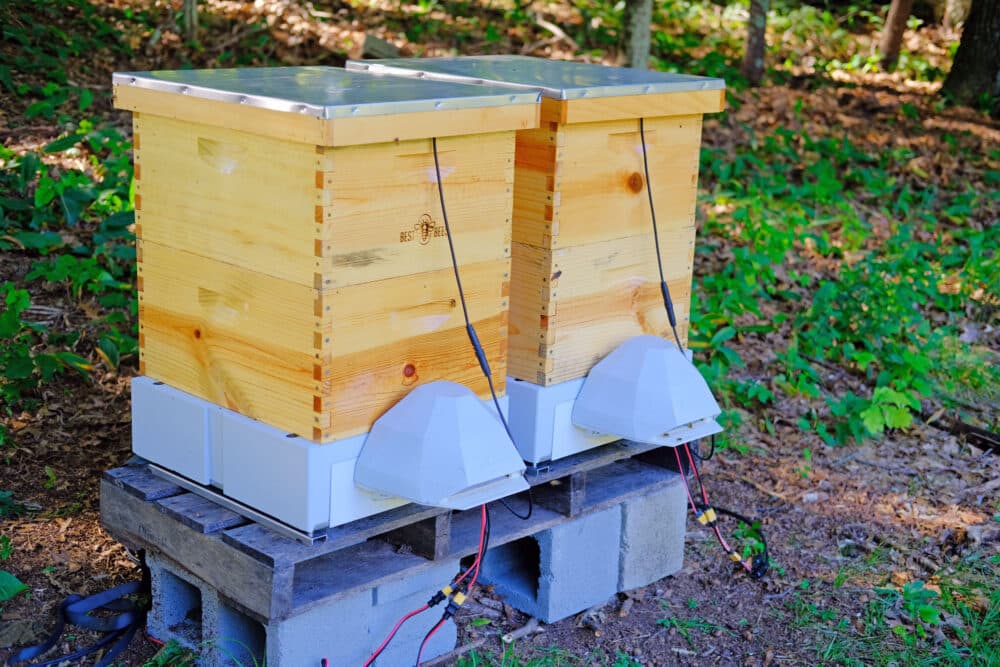
The market for smart beehive technology is still relatively young, but several companies are offering promising solutions. Two notable examples are Best Bees SmartHive Technology and SmartBee, with their SmartBeePro and SmartBeeCore systems.
Best Bees focuses on corporate and residential beekeeping, offering a comprehensive solution that includes hive hardware, sensor technology, and data analysis. Their system is designed to be user-friendly and provides insights into colony health and productivity. They emphasize a full-service approach, including hive installation and maintenance.
SmartBee, on the other hand, offers a more modular system. Their SmartBeePro is a complete solution, while the SmartBeeCore allows beekeepers to add sensors as needed. They offer a weight scale, which is a foundational element of many smart hive setups, and a brood sensor to monitor brood temperature.
The SmartBee system utilizes an application to display the data collected. This allows beekeepers to remotely monitor their hives from anywhere with an internet connection. Both systems prioritize ease of use, aiming to make data accessible to beekeepers of all skill levels.
It's important to note that these systems differ in their approach and features. Best Bees provides a more complete, integrated experience, while SmartBee offers greater flexibility and customization. Neither is inherently 'better' – the best choice depends on your specific needs and preferences.
Emerging hive technologies
While weight scales, temperature sensors, and acoustic monitoring are currently the most common smart beehive technologies, research and development are pushing the boundaries of what's possible. Several emerging technologies hold promise for the future.
Individual bee tracking, using RFID tags, is one area of exploration. This would allow beekeepers to monitor the behavior of individual bees, providing insights into foraging patterns and colony dynamics. However, the cost and practicality of tagging large numbers of bees remain a challenge.
Advanced acoustic analysis is also being investigated. Researchers are developing algorithms that can identify subtle differences in bee sounds to detect diseases like varroa mite infestations or even assess the overall health of the queen.
AI-powered varroa mite counting is another exciting possibility. Automating this tedious task could significantly improve mite management, a critical aspect of beekeeping. These technologies are still largely experimental and may not be readily available to most beekeepers for some time, but they offer a glimpse into the future of beekeeping.
Installation and integration
Setting up a smart beehive system is generally straightforward, but it does require some technical aptitude. Most systems are designed to be installed by the beekeeper, but it’s essential to follow the manufacturer’s instructions carefully.
Power requirements vary depending on the system. Some systems are solar-powered, while others require a wired connection to a power source. Data connectivity is another consideration. Some systems use cellular networks, while others rely on WiFi. Cellular connectivity offers greater flexibility, but may incur ongoing data costs.
Sensor placement is critical for accurate data collection. Weight scales need to be placed on a level surface, and temperature sensors need to be positioned correctly within the hive. Calibration may also be required to ensure accurate readings.
Interpreting the data involves a learning curve. Most systems offer user-friendly dashboards and reports, but understanding the data and using it for decisions takes time. Experiment and seek help from online forums or other beekeepers.
- Read the manual thoroughly, ensure proper sensor placement, calibrate sensors as needed, and familiarize yourself with the data dashboard.
- Ensure proper sensor placement
- Calibrate sensors as needed
- Familiarize yourself with the data dashboard
Cost considerations
Smart beekeeping technology represents an investment. The costs can vary significantly depending on the system you choose and the number of hives you want to monitor. The sensors themselves are the primary expense, with weight scales typically costing between $200 and $500, and other sensors ranging from $50 to $200 each.
Some systems require a data subscription, which can add $10 to $50 per month per hive. You'll also need to factor in the cost of any necessary hardware, such as a tablet or smartphone for viewing the data.
The potential benefits include reduced colony losses, increased honey production, and time savings. By identifying problems early, you can take corrective action before they escalate. This can save you money in the long run by reducing the need for expensive treatments or replacement colonies.
Be realistic: smart tech isn't a guaranteed solution and won't replace good beekeeping practices. It's a tool that helps manage hives more effectively, not a magic bullet.
Data privacy and security
As with any connected device, data privacy and security are important considerations when choosing a smart beehive system. These systems collect data about your hives, and it’s crucial to understand how that data is being stored and used.
Most companies have privacy policies that outline their data collection practices. It's essential to review these policies carefully to understand what data is being collected, who has access to it, and how it's being protected.
Data breaches are a potential risk, as with any online system. Choose a reputable company with a strong track record of security. Consider using strong passwords and enabling two-factor authentication whenever possible.
Be aware that some systems may share anonymized data with researchers or other third parties. While this can contribute to scientific understanding, it's important to understand how your data is being used. Consult with a cybersecurity professional for detailed advice.
- Review the company's privacy policy, use strong passwords, enable two-factor authentication, and be aware of data sharing practices.
- Use strong passwords
- Enable two-factor authentication
- Be aware of data sharing practices

No comments yet. Be the first to share your thoughts!