

What to look for in a beekeeping starter kit
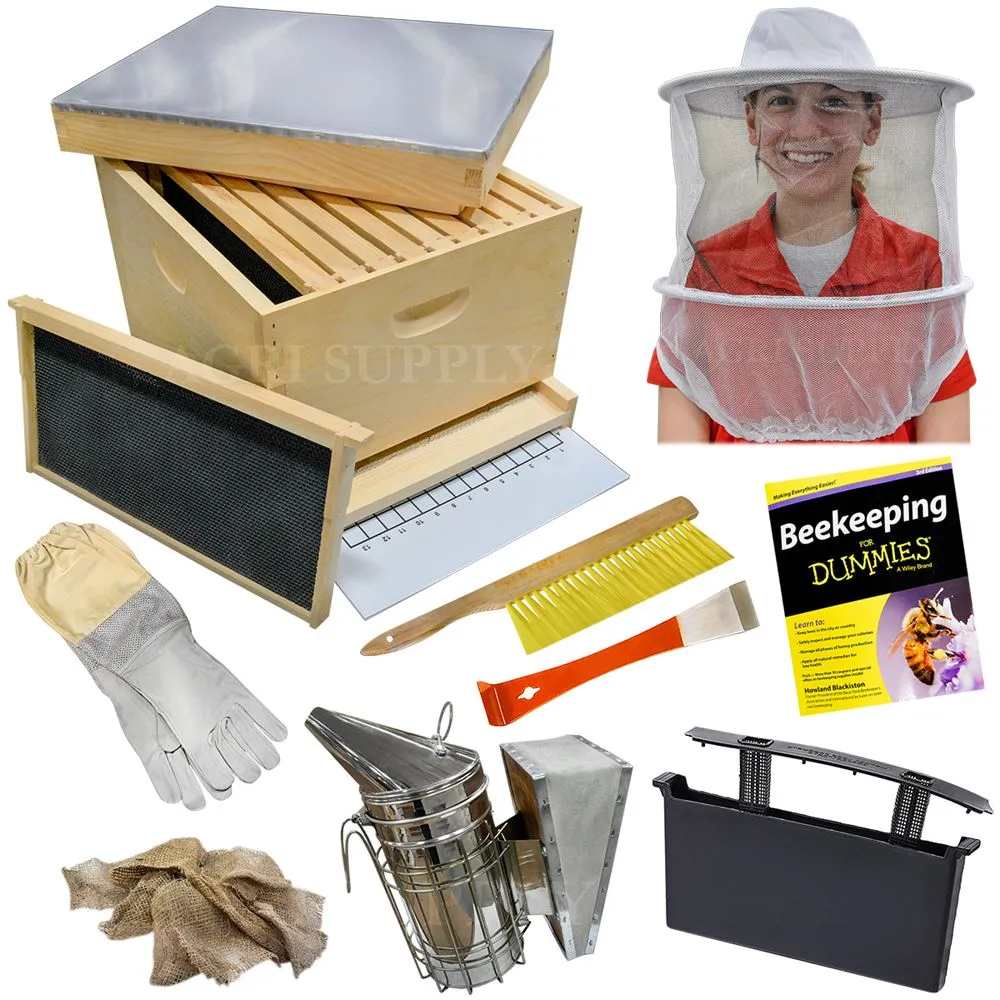
A quality beekeeping starter kit removes the guesswork from assembling your first hive. Most kits bundle the essential wooden components, but they rarely include the bees. This means you need to budget separately for a nucleus colony (nuc) or a package of bees, which is the living heart of the operation.
The Hive Structure
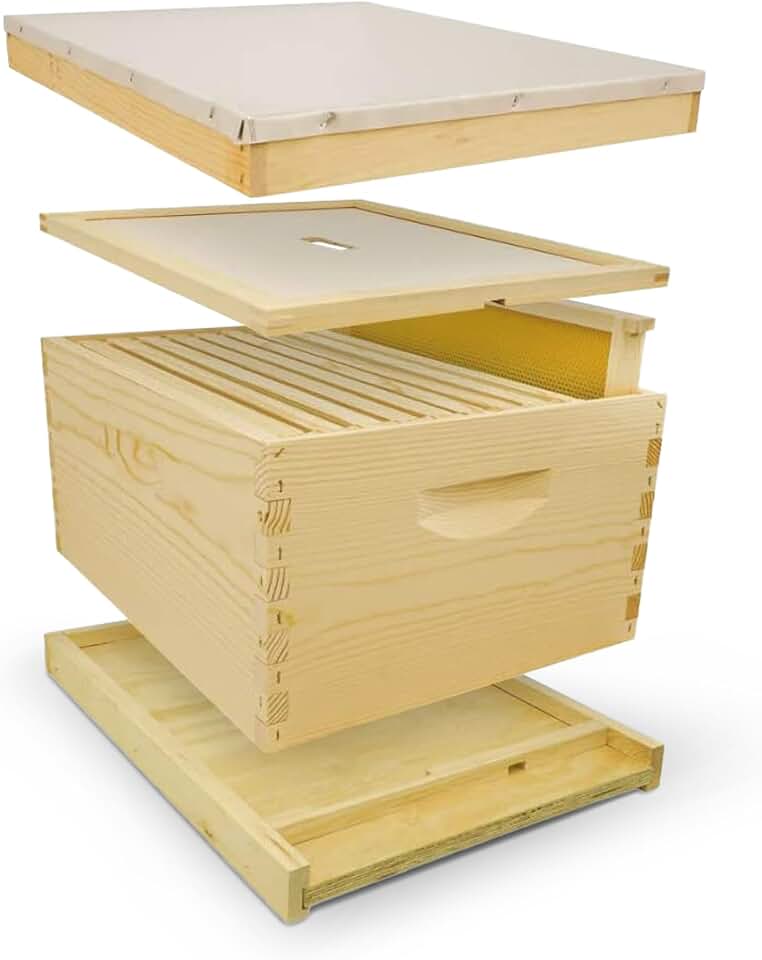
The foundation of any kit is the hive type. The Langstroth hive is the industry standard for beginners due to its interchangeable frames and widespread availability of replacement parts. Look for kits that include the bottom board, brood boxes, and a telescoping cover. Cedar is often preferred over pine for its natural resistance to rot and insects, though both are viable if properly painted or stained.
Frames and Foundation
Frames hold the wax foundation where bees build their comb. A complete kit should provide enough frames to fill your brood boxes. Wax foundation sheets guide the bees to build straight, manageable combs, saving you hours of labor later. Ensure the kit includes frame retainers or wedges to keep everything secure during transport or strong winds.
Essential Tools
Never skip the tools. A hive tool is non-negotiable for prying apart boxes sealed by propolis. A smoker calms the bees, making inspection safer and less stressful for the colony. Many kits include a basic bee suit or veil, but check the quality of the mesh and fabric. If the included gear feels flimsy, it is often worth buying a higher-quality suit separately.
Comparing Kit Options
Different suppliers package these items differently. Some offer DIY kits where you assemble the boxes yourself, while others provide pre-assembled units. Pre-assembled kits save time but cost more. DIY kits offer a deeper understanding of hive construction but require basic woodworking skills or patience with screws and nails.

As an Amazon Associate, we may earn from qualifying purchases.
Top rated beginner beehive kits
Choosing the right beehive starter kits is the first real decision a new beekeeper makes. The goal is to find a package that minimizes guesswork while providing durable components that will last through your first few seasons. A well-assembled kit from a reputable manufacturer handles the heavy lifting of sourcing compatible parts, allowing you to focus on learning bee behavior.
When evaluating these packages, prioritize build quality and the completeness of included tools. You want a kit that arrives ready for assembly with clear instructions, rather than one that requires you to hunt for separate frames or foundation sheets. The best options balance affordability with materials that resist warping and cracking in varying weather conditions.
Below is a comparison of four highly rated beginner beehive kits. These selections highlight differences in frame count, wood type, and included accessories to help you decide which configuration fits your specific needs and budget.
| Brand | Hive Type | Frame Count | Wood Type | Price Tier |
|---|---|---|---|---|
| Mann Lake | Langstroth | 10 | Pine | Budget |
| Galeana Farms | Langstroth | 10 | Cedar | Mid-Range |
| Flow Hive | Flow Hive | 10 | Pine | Premium |
| Crown Bees | Langstroth | 10 | Pine | Mid-Range |
Mann Lake DIY Beehive Kit
Mann Lake is a staple in the industry, offering a straightforward Langstroth kit that strips away unnecessary extras to keep costs low. This package is ideal for those who want a no-frills approach and are comfortable with basic assembly. The kit typically includes ten frames with foundation, making it a complete starting point for your first colony.
The primary advantage here is affordability without sacrificing structural integrity. While the wood is standard pine rather than premium cedar, it is treated and prepared for outdoor use. This kit serves as an excellent entry point for budget-conscious beginners who plan to expand their apiary over time.
Galeana Farms Cedar Starter Kit
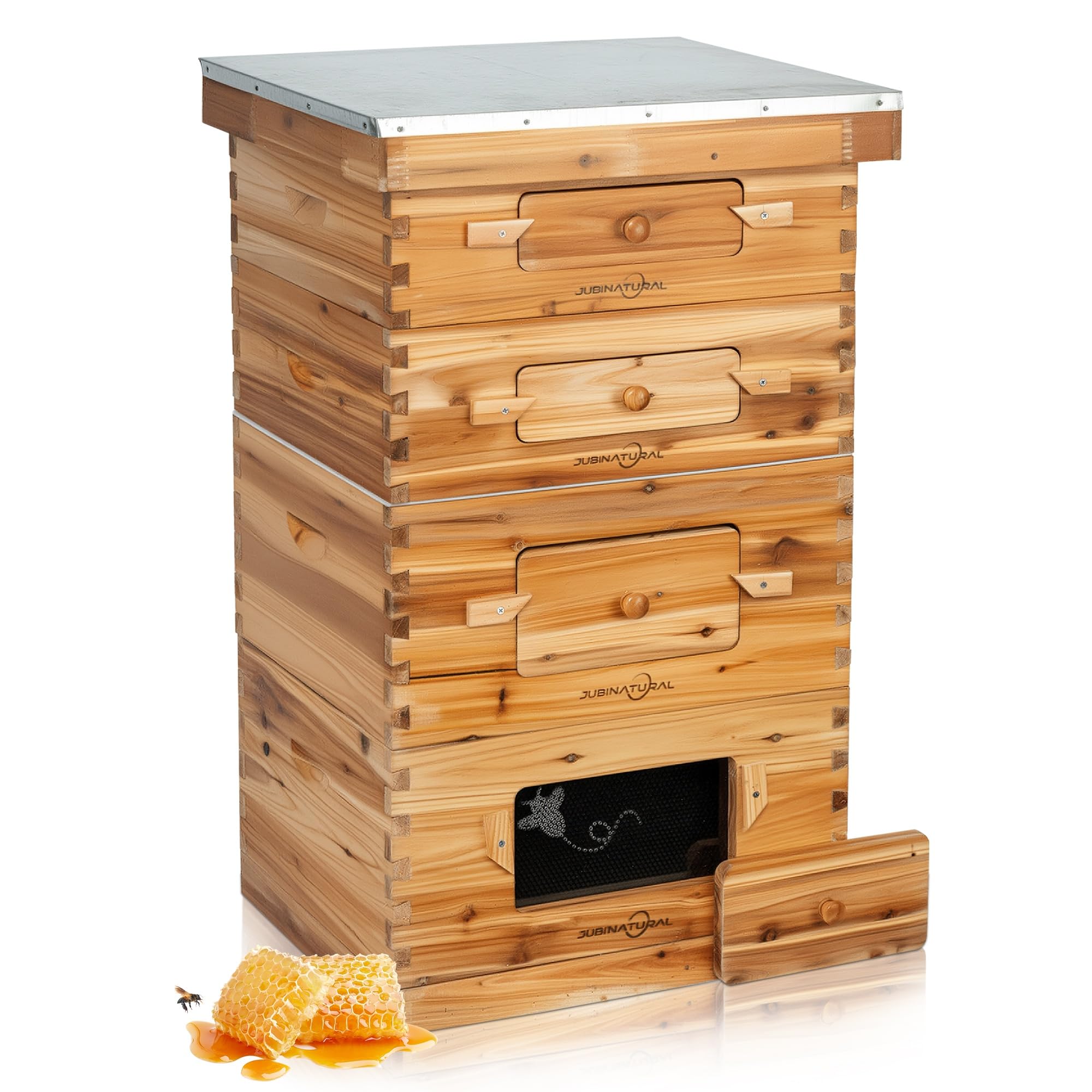
Galeana Farms distinguishes itself by using cedar, a wood naturally resistant to rot and insect damage. This material choice extends the lifespan of the hive and reduces the need for chemical treatments, which is a significant benefit for long-term bee health. The kit is designed for ease of use, with pre-cut parts that fit together smoothly.
For beginners willing to invest slightly more upfront, the durability of cedar pays off. The included tools and components are curated to ensure you have everything needed for immediate setup. This kit is particularly appealing to those who prioritize low-maintenance equipment and natural materials.
Flow Hive Starter Bundle
The Flow Hive offers a different approach to beekeeping with its patented honeycomb technology. This kit allows you to harvest honey directly from the hive without opening the boxes or disturbing the bees. The starter bundle includes the signature Flow frames, standard hive components, and protective gear, making it a comprehensive package for modern beekeepers.
While the initial cost is higher than traditional kits, the convenience of easy harvesting and the reduced stress on bees are compelling features. The kit is designed for users who value efficiency and a cleaner honey harvesting process. It is a premium option that simplifies one of the most labor-intensive aspects of beekeeping.
Crown Bees Complete Kit
Crown Bees brings over 18 years of expertise to their starter kits, ensuring that every component is selected for reliability. Their Langstroth kits are made in the USA and include healthy bees in some bundle options, which is a unique advantage for beginners who want to start immediately. The packaging is designed to protect the bees during transit.
This kit is a strong choice for those who want expert-backed equipment and the option to start with live bees. The inclusion of bees in certain packages removes the need to source them separately, streamlining the process of getting your first colony established. The focus on quality control ensures a smooth start to your beekeeping journey.



As an Amazon Associate, we may earn from qualifying purchases.
Essential tools included in kits
A beekeeping starter kit is only as good as the tools inside it. Buying a hive is the biggest step, but you cannot manage bees safely without the right gear. Most kits bundle the three essentials: a smoker, a hive tool, and protective gloves. Getting these together saves time and ensures you have compatible, reliable equipment from day one.
The smoker is your primary way to calm bees. It masks alarm pheromones so you can inspect frames without triggering a defensive swarm. Cheap kits sometimes include thin metal smokers that dent easily or struggle to stay lit. A sturdy smoker with a good bellows makes the difference between a calm inspection and a chaotic one.
The hive tool is a flat metal wedge used to pry apart frames glued together by propolis. It is the most frequently used tool in the apiary. Without it, you risk breaking frames or injuring yourself forcing them apart. Gloves protect your hands from stings, though many experienced keepers eventually go without for better dexterity. For beginners, thick leather or nitrile gloves with extended cuffs are a necessary safety barrier.
When you buy a beekeeping starter kit, you are buying a system. The tools are selected to work together for the first year of beekeeping. This avoids the guesswork of matching a specific hive tool to your hive type or finding a smoker that fits your budget. It allows you to focus on learning bee behavior rather than hunting for individual parts.
Natural beekeeping techniques for new hives
Choosing a beekeeping starter kit is the first step, but how you prepare that hive matters just as much. Natural beekeeping focuses on minimizing chemical interventions and supporting the colony’s innate behaviors. For beginners, this often means starting with untreated materials and avoiding synthetic additives that can disrupt the bees’ environment.
Untreated wood and wax-coated foundation
The foundation of a healthy hive starts with the wood. Look for starter kits that use untreated cedar or pine. These woods are naturally resistant to decay and do not require chemical preservatives that can off-gas or leach into the honeycomb. Cedar, in particular, has aromatic properties that some beekeepers believe help deter pests naturally.
Equally important is the foundation inside the frames. Opt for kits that include wax-coated foundation sheets rather than plastic. Bees prefer to draw out their own comb on natural wax, which allows them to maintain proper brood cell sizes and pheromone trails. Plastic foundation can sometimes lead to irregular comb structures or stress for the colony as they struggle to build upon an unnatural surface.
Minimal intervention strategies
Natural beekeeping also emphasizes minimal intervention. This means resisting the urge to treat for pests or diseases unless absolutely necessary. Many successful beginner hives thrive simply by providing good ventilation, clean water sources, and adequate food stores during winter. Over-treating with chemicals can sometimes do more harm than good by killing beneficial microbes or creating resistant pest strains.
When selecting your beekeeping starter kits, prioritize brands that offer components aligned with these principles. For example, Galena Farms offers starter kits that include durable, easy-to-use options designed for beginners who want a straightforward, natural approach. Similarly, Foxhound Bee Company provides cypress hive kits that utilize natural wood properties to support colony health from day one. By choosing these natural elements, you set the stage for a resilient hive that works with nature rather than against it.
Common beginner beekeeping: what to check next
Starting a hive involves more than just buying a box. Many new beekeepers wonder if a complete beekeeping starter kit is enough to get going or if they need to source components separately. The right choice depends on your local climate and how much assembly you are willing to do yourself.
Do I need to buy bees with my kit?
Most standard beekeeping starter kits do not include the bees themselves. You typically need to order a package or nucleus colony (nuc) from a separate supplier, usually arriving in spring. This separation allows you to choose a queen breed that thrives in your specific region. Check your kit’s documentation to ensure the hive dimensions match the equipment you plan to use for your bees.
Can I assemble the hive myself?
Yes, but it requires basic woodworking skills. Most kits come as flat-packed boxes that you must assemble using provided hardware. If you lack tools or time, look for pre-assembled options from reputable brands like Dadant. Proper assembly is critical to prevent drafts and pests from entering the hive, so follow the manufacturer’s instructions carefully.
When is the best time to start?
Spring is the ideal season to install your first hive. This timing gives the colony enough months to build up its population and store honey before winter. Starting too late in the season can leave the bees underprepared for cold weather, while starting too early might expose them to unexpected late frosts. Plan your purchase so the hive arrives just before your area’s primary nectar flow begins.
No comments yet. Be the first to share your thoughts!