

The rising varroa threat in 2026
Varroa mites are the biggest threat to honeybee colonies, and the situation looks worse for 2026. Mite populations are growing because migratory beekeeping spreads them to new areas. Warmer winters also mean longer breeding cycles for the mites, so they start the spring with a head start.
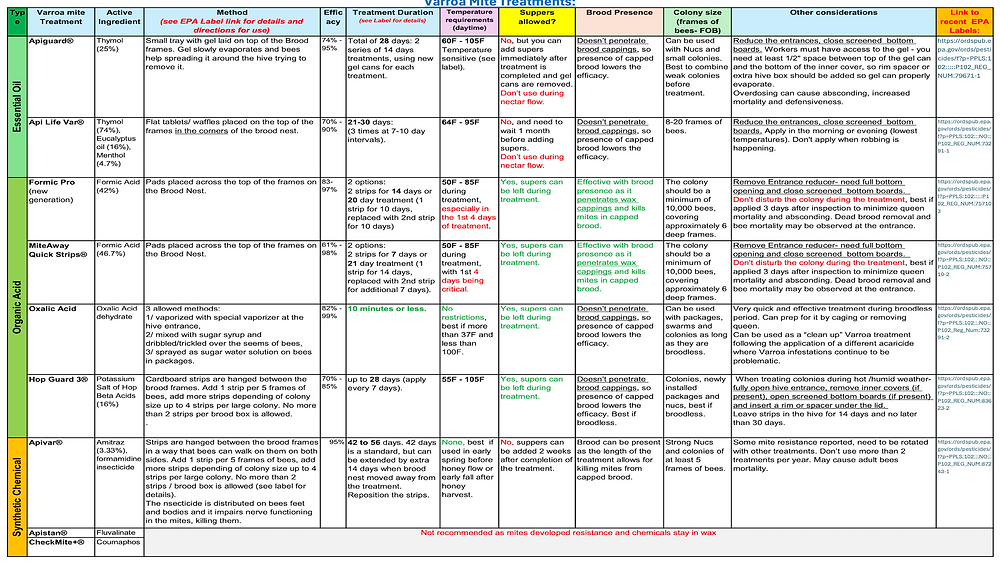
We're observing a worrying trend of reduced efficacy with many synthetic miticides. Mites are developing resistance to common treatments like Apivar and Apistan, making control more difficult and requiring beekeepers to rotate chemicals more frequently. This isn’t a sustainable long-term solution, as it contributes to further resistance and potential chemical residues in honey and wax. The USDA ARS is actively researching new chemical approaches, but they acknowledge the need for integrated pest management strategies.
The impact isn't just on honey production; colony health is dramatically affected. High mite loads weaken bees, making them more susceptible to viruses like deformed wing virus, and can ultimately lead to colony collapse. The New Jersey Beekeepers Association estimates that mite populations exceeding 2% can cause significant colony decline. This is why proactive and sustainable management strategies are so critical, and why many beekeepers are turning towards treatment-free and natural methods.
How treatment-free beekeeping actually works
Treatment-free beekeeping is a management philosophy centered around allowing bees to develop natural defenses against pests and diseases – primarily without the use of synthetic miticides, antibiotics, or other artificial interventions. It’s not simply about avoiding treatments; it's about fostering resilient bee stock and creating an environment where bees can thrive on their own. This often involves careful site selection, promoting genetic diversity, and allowing colonies to self-regulate.
A common misconception is that treatment-free beekeeping equates to neglect. Quite the opposite is true. It demands a deeper understanding of bee biology, diligent monitoring, and a willingness to allow colonies to fail and learn from those failures. It's also a longer-term commitment, as it can take several years to build up truly resilient stock. There’s a significant learning curve, and losses are often higher in the initial stages.
The philosophy behind treatment-free beekeeping is rooted in the belief that artificial interventions disrupt the natural balance within the hive and contribute to long-term bee health problems. By allowing natural selection to occur, beekeepers aim to cultivate bee populations that are inherently resistant to Varroa mites and other threats. However, it's essential to acknowledge that treatment-free beekeeping isn't a one-size-fits-all approach and may not be suitable for all locations or beekeeping situations.
Breeding for mite resistance
One of the most promising avenues for long-term Varroa control is breeding bee stocks with inherent resistance traits. Researchers have identified several key characteristics that contribute to mite resistance, including Varroa Sensitive Hygiene (VSH), grooming behavior, and hygienic behavior. VSH bees detect and remove mite-infested pupae from brood cells, effectively limiting mite reproduction. Grooming behavior involves bees actively removing mites from themselves and others.
The USDA ARS and several universities are finding bees that manage mites on their own. They have identified genes linked to VSH, which helps with breeding programs. Resistance isn't a single-gene trait, though; it is polygenic, so multiple genes have to work together for the bee to stay healthy.
Beekeepers can source resistant stock from specialized breeders who focus on these traits. Look for breeders who actively select for VSH, grooming, and hygienic behavior. Local adaptation is also crucial; bees bred in your region are more likely to be successful than those sourced from distant locations. Consider purchasing queens or nucs from reputable breeders who can demonstrate the mite resistance of their stock. Some popular options include those bred using the Russian bee lineage, known for their grooming behavior.
It’s also important to understand that resistance isn't immunity. Even resistant bees will still have some level of mite infestation, but their populations will be lower and less damaging to the colony. Regular monitoring remains essential to track mite levels and ensure the continued health of your bees.
Natural Acids: Formic and Oxalic
Formic acid and oxalic acid are two of the most widely used natural treatments for Varroa mites. Formic acid, derived from ants, works by creating a corrosive vapor that kills mites within capped brood cells. It’s effective against mites in all stages of development, but its effectiveness is heavily influenced by temperature; it works best in warmer weather. Oxalic acid, found in many plants, is typically applied via dribble or vaporization and is most effective when colonies are broodless, as it primarily targets phoretic mites – those attached to adult bees.
Proper application is critical for both acids. Formic acid requires careful ventilation and adherence to label instructions to avoid harming the bees or the queen. Oxalic acid vaporization requires specialized equipment and strict safety precautions, as the fumes are harmful to humans. Both acids can be corrosive, so protective gear, including gloves and eye protection, is essential. It's also important to avoid applying these treatments during honey flows to prevent contamination.
However, these treatments aren’t without limitations. Formic acid can be stressful for bees and may temporarily reduce brood production. Oxalic acid is only effective when colonies are broodless, limiting its use to winter or early spring. Additionally, both acids can be damaging to the queen if not applied correctly. They are best used as part of an integrated pest management strategy, rather than as standalone solutions.
- Formic acid kills mites inside capped brood cells but can stress the bees if it gets too hot.
- Oxalic acid works best when the hive has no brood, as it only kills mites currently hitching a ride on adult bees.
Formic Acid vs. Oxalic Acid for Varroa Mite Control: A Comparison
| Characteristic | Formic Acid | Oxalic Acid |
|---|---|---|
| Effectiveness - Broodless Colonies | High | High |
| Effectiveness - Colonies with Brood | Moderate to High (dependent on application method and mite load) | Low to Moderate (primarily effective during broodless periods) |
| Temperature Requirements | Optimal between 50°F - 95°F (10°C - 35°C). Effectiveness decreases outside this range. | Best applied when temperatures are below 50°F (10°C) to minimize bee and queen risk. |
| Ease of Application | Requires specialized applicators and careful monitoring. Can be labor intensive. | Relatively simple application, often via dribble or vaporization. Requires protective gear. |
| Risk to Queen | Moderate risk if not applied correctly. Can cause queen distress or mortality. | Higher risk of mortality if applied during brood rearing or at warmer temperatures. |
| Impact on Honey Stores | May cause some honey souring if applied during honey flows. Requires careful timing. | Minimal impact on honey stores when applied during a broodless period. |
| Cost | Generally more expensive than oxalic acid treatments. | Generally less expensive than formic acid treatments. |
| Mite Resistance | Mite resistance is developing in some areas, but currently less prevalent than with some synthetic treatments. | Mite resistance is less commonly reported with oxalic acid, but monitoring is still crucial. |
Illustrative comparison based on the article research brief. Verify current pricing, limits, and product details in the official docs before relying on it.
Powdered Sugar Dusting: A Mechanical Control
Powdered sugar dusting is a mechanical control method that involves liberally dusting bees with powdered sugar. The sugar disrupts the mites’ grip on the bees, causing them to fall off. It’s a relatively gentle method and doesn’t introduce any chemicals into the hive. However, it is most effective when combined with other control strategies.
The frequency of application depends on mite levels and colony strength. Typically, dusting is performed every 7-10 days during the active season. It’s best to dust bees in the evening when they are less active. Concerns have been raised about bee comfort and sugar buildup within the hive, but these are generally minimal when the technique is used properly.
It’s crucial to understand that powdered sugar dusting isn’t a standalone solution. It primarily targets phoretic mites and has limited impact on mites within capped brood cells. It’s best used as a supplementary tool in an integrated approach to Varroa control, alongside breeding for resistance and other natural treatments.
Essential Oils and Botanical Extracts
The use of essential oils, such as thymol and menthol, and other botanical extracts for Varroa control has gained some traction in recent years. These substances are believed to disrupt mite behavior and reproduction, but the scientific evidence supporting their effectiveness is mixed. Some studies have shown promising results, while others have found little to no impact.
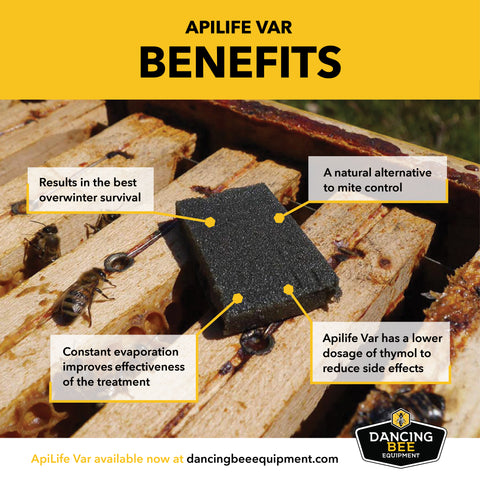
Thymol, derived from thyme, is perhaps the most widely researched essential oil for Varroa control. It's available in commercial formulations like ApiLife VAR, which releases thymol vapor within the hive. Menthol, derived from peppermint, has also been investigated, but its effectiveness appears to be lower than thymol. Proper application methods are crucial to avoid harming the bees.
I'm skeptical of essential oils. The research is inconsistent and results change based on humidity or the specific bee strain. They might help as a secondary tool, but I wouldn't rely on them to save a crashing hive. Check the data before spending money on thymol wraps.
Testing and monitoring methods
Regular monitoring of Varroa mite levels is the cornerstone of any effective management strategy. Several methods are available, each with its own advantages and disadvantages. The alcohol wash is considered the most accurate method, involving shaking a sample of bees in alcohol to dislodge the mites. The sugar shake is a gentler alternative, using powdered sugar instead of alcohol.
Sticky boards, placed under screened bottom boards, can provide an indication of mite fall, but they are less accurate than alcohol washes or sugar shakes. They only measure phoretic mites and don’t account for mites within capped brood cells. ThebeeSupply.com recommends a treatment threshold of more than 6 mites per 300 bees; if your monitoring reveals numbers exceeding this, intervention is warranted.
Interpreting the results of your monitoring is crucial. A rising mite count indicates that your control measures are not effective and adjustments need to be made. Consistent monitoring throughout the season allows you to track mite populations and make informed decisions about treatment or management practices. Remember that monitoring is not a one-time event; it's an ongoing process.


No comments yet. Be the first to share your thoughts!