

Verify zoning before buying kits
The most common mistake new beekeepers make is purchasing equipment before confirming they can legally keep bees on their property. Beekeeping laws are not uniform; they are hyper-local. A practice that is perfectly legal in one county may be strictly prohibited in the next zip code. State agriculture departments often set broad guidelines, but municipalities hold the actual authority to regulate hives through zoning ordinances, nuisance laws, and homeowner association (HOA) covenants.
Start your verification process by visiting your city or county clerk’s website. Search for keywords like "apiary," "bees," or "livestock" within the zoning or animal control sections. Look for specific restrictions on the number of hives allowed, minimum lot sizes, or mandatory setback distances from property lines and neighboring residences. Some jurisdictions, such as San Jose, California, require a formal permit issued by local officials to comply with city codes, while others may demand written consent from adjacent neighbors before you can even apply for a permit.
If you live in a planned community, review your HOA governing documents. These private contracts often override municipal allowances and may ban hives entirely regardless of local laws. Once you have confirmed your legal standing, you can proceed to buy a starter kit with confidence, knowing your investment won’t be confiscated or result in fines.
Register your apiary with the state
Beekeeping Laws works best as a clear sequence: define the constraint, compare the realistic options, test the tradeoff, and choose the path with the fewest hidden costs. That order keeps the advice usable instead of decorative. After each step, pause long enough to check whether the recommendation still fits the reader's actual situation. If it depends on perfect timing, unusual access, or a best-case budget, include a simpler fallback.
-
Verify the sellerCheck reputation, included details, delivery terms, and return policy before treating the listing as credible.
-
Compare total costAdd shipping, accessories, maintenance, warranty, and likely replacement costs to the listed price.
-
Confirm fitMatch the option to the real use case before paying for features that will not matter.
Understand distance and neighbor rules
Beekeeping Laws works best as a clear sequence: define the constraint, compare the realistic options, test the tradeoff, and choose the path with the fewest hidden costs. That order keeps the advice usable instead of decorative. After each step, pause long enough to check whether the recommendation still fits the reader's actual situation. If it depends on perfect timing, unusual access, or a best-case budget, include a simpler fallback.
| Factor | What to check | Why it matters |
|---|---|---|
| Fit | Match the option to the primary use case. | A good deal still fails if it does not fit the job. |
| Condition | Verify age, wear, and service history. | Hidden condition issues erase upfront savings. |
| Cost | Compare purchase price with likely upkeep. | The cheapest option is not always the lowest-cost option. |
Select compliant starter equipment
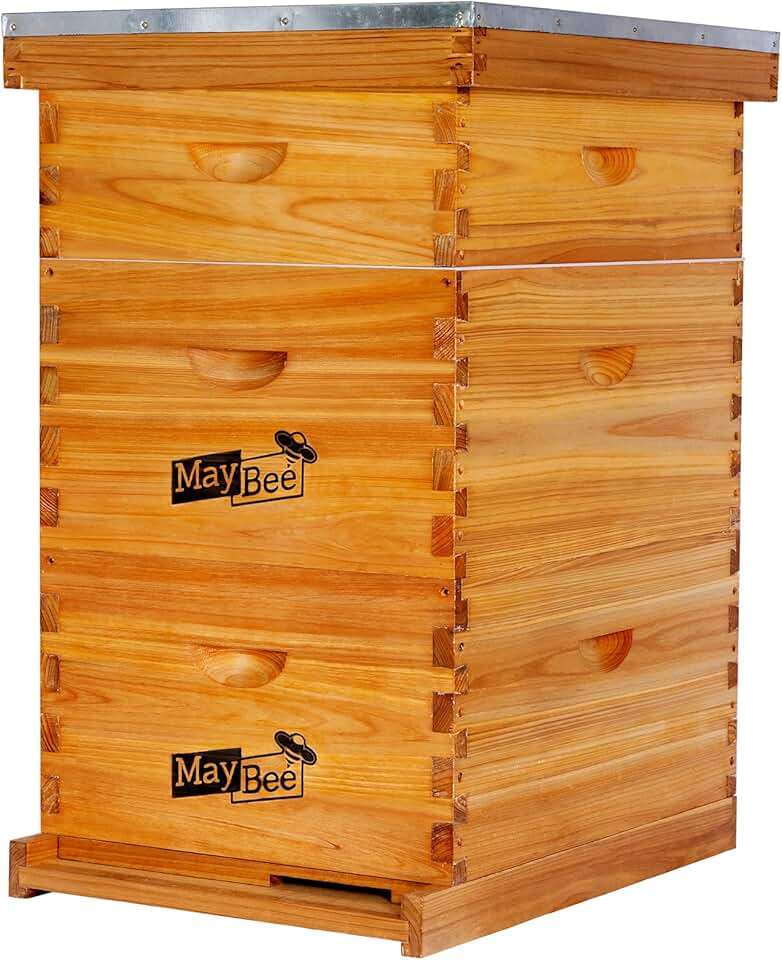
Your beekeeping laws dictate what you can buy. Most jurisdictions require standard Langstroth hives because their frames are interchangeable and easier for inspectors to check. If your local ordinance restricts hive types or mandates specific fencing, buying a niche natural beekeeping kit could lead to fines or forced removal.
Check your county code or city municipal code for hive style restrictions before ordering. Look for requirements on hive registration, minimum distance from property lines, and fencing heights. If your area bans top-bar or warre hives, stick to the standard vertical box design. This ensures your equipment is legal and your bees are safe.
Once you confirm the legal hive type, focus on gear that meets those standards. A starter kit should include the core components for a Langstroth setup: hive bodies, frames, foundation, and a queen. You will also need protective clothing and basic tools. Prioritize items that help you comply with local safety rules, such as proper fencing materials if required.


As an Amazon Associate, we may earn from qualifying purchases.
Always verify that the specific components in your kit match local regulations. Some areas require specific materials for hive construction or specific types of entrance reducers. Buying the right equipment from the start saves time and avoids costly modifications later. For detailed regulations, refer to your state’s department of agriculture or local cooperative extension office.
Common legal mistakes to avoid
Before you buy a starter kit, you need to verify your local beekeeping laws. Skipping this step leads to high-stakes errors that can result in fines, forced hive removal, or conflict with neighbors. The most frequent mistakes involve failing to register, ignoring pesticide drift regulations, and neglecting mandatory inspections.
Failing to register your hives
Registration requirements vary significantly by location. In some states like Florida, registration is mandatory for all beekeepers. In other regions, it is voluntary, which leads many new beekeepers to assume they don’t need to do it at all. This assumption is risky. Local ordinances often require registration to track hive locations for disease control and to ensure inspectors can locate your bees during an emergency. Check with your county agricultural extension office or state apiary inspector to confirm if your jurisdiction requires registration.
Ignoring pesticide drift laws
Proximity to agricultural areas introduces the risk of pesticide drift. If you keep bees near farmland, you must understand the local regulations regarding pest management. Pesticides can kill your colony or contaminate your honey, leading to liability issues. Some jurisdictions require beekeepers to notify growers before applying treatments or to maintain buffer zones. Reviewing local agricultural codes helps you anticipate these risks and protect your investment.
Neglecting hive inspections
Regular inspections are not just best practices; they are often legal requirements. Many local beekeeping laws mandate that hives be inspected for signs of disease, such as American Foulbrood, at specific intervals. Failure to report an outbreak or maintain required inspection records can result in heavy fines. Keep detailed logs of your inspections and any treatments applied. This documentation proves compliance and helps you catch problems early.
Frequently asked: what to check next
Put Beekeeping Laws by Zip Code into practice

No comments yet. Be the first to share your thoughts!