

Varroa resistance is accelerating
Varroa mites are outpacing our chemistry. Treatments that worked five years ago are failing now because mites evolve faster than we develop new miticides. If you're still using the same rotation from 2020, you're likely leaving thousands of mites behind to collapse your colony by winter.
The changing climate also plays a role. Warmer winters are allowing mites to survive in greater numbers and extend their reproductive period. This leads to higher mite populations going into the spring and a more rapid buildup throughout the season. Shifts in weather patterns are also affecting the distribution of honeybee colonies, potentially spreading mites to new areas and exposing previously unexposed bees.
It’s easy to feel overwhelmed, but understanding this evolving challenge is the first step. We need to move beyond relying on a single treatment and embrace a more integrated approach. Ignoring the problem, or sticking with outdated methods, will only lead to colony collapse. A proactive, adaptable mindset is essential for successful beekeeping in 2026 and beyond.
Refining formic acid use
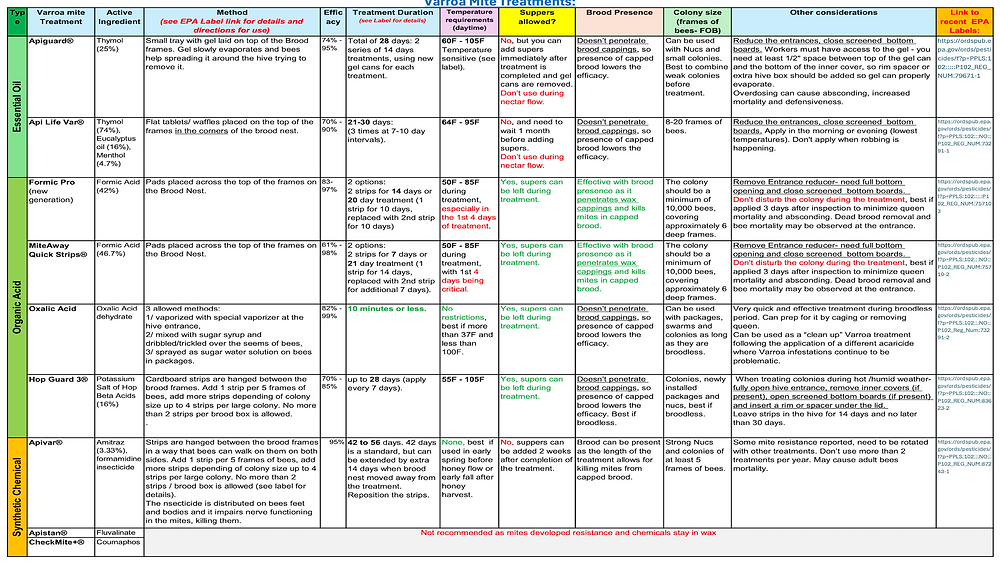
Formic acid remains a valuable tool in the varroa control arsenal, but its application requires careful consideration. Products like Mite Away Quick Strips are widely used, and recent research emphasizes the importance of precise timing and temperature. Formic acid’s effectiveness is heavily influenced by ambient temperature; it works best within a specific range, generally between 50°F and 85°F.
Proper ventilation is absolutely critical when using formic acid. The treatment releases fumes that can harm the queen and even kill the colony if they aren’t allowed to dissipate. Many beekeepers now utilize specialized formic acid applicators designed to improve ventilation and reduce the risk of queen issues. It’s also important to monitor colonies closely after treatment, checking for signs of queenlessness or stress.
Formic acid smells terrible and carries a real risk of killing your queen if the weather spikes above 85°F. I've seen entire colonies abscond because the fumes were too intense. It works well for a late-summer knockdown, but you have to be precise with the thermometer.
Oxalic Acid: Beyond the Dribble
Oxalic acid is best known for its use in the "dribble" method – applying a solution directly to the bees. However, vaporizing oxalic acid is gaining popularity as a more efficient and less labor-intensive application technique. Vaporization involves heating oxalic acid crystals to create a vapor that permeates the hive, killing mites on the bees.
Vaporizing oxalic acid requires specialized equipment and strict safety precautions. The vapor is corrosive and can cause burns to the skin and eyes. Always wear appropriate protective gear – gloves, goggles, and a respirator – and follow the manufacturer’s instructions carefully. It’s also crucial to ensure the hive is well-ventilated during and after vaporization.
Oxalic acid is most effective during broodless periods, as mites are more exposed on the bees. The debate continues regarding its use in honey supers. Regulations vary by location, so it’s essential to check with your state apiary inspector before applying oxalic acid when honey supers are in place. Some states permit it with specific restrictions, while others prohibit it entirely.
The reality of essential oils
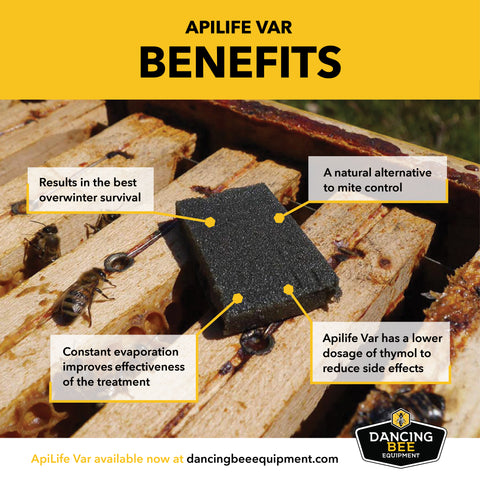
Essential oils, particularly thymol, have been marketed as "natural" varroa treatments. Products like ApiLife VAR and Apiguard contain thymol as their active ingredient. While thymol can be effective against varroa, the science is often inconsistent. Results vary depending on factors like mite strain, colony strength, and environmental conditions.
The key is to follow label instructions exactly. Deviating from the recommended dosage or application method can reduce effectiveness and potentially harm the bees. There’s also evidence that essential oils can impact bee behavior, including foraging activity and queen acceptance. Some beekeepers report that essential oils can impart an off-flavor to honey, although this is often subtle.
Don't assume 'natural' means safe. Thymol is a harsh caustic that can disrupt hive scents and cause bees to stop foraging for days. If you use these, monitor your mite drop daily to ensure they're actually working against your specific mite load.
- ApiLife VAR: A thymol wafer usually applied in three doses during spring or fall.
- Apiguard: Another thymol-based product, often used in late summer or early fall.
- Follow label instructions: This is crucial for effectiveness and bee safety.
Varroa Mite Treatment Comparison: Natural & Chemical-Free Options
| Treatment | Ease of Use | Cost | Effectiveness | Colony Impact | Resistance Potential |
|---|---|---|---|---|---|
| Thymol | Moderate - Requires specific temperature ranges and application timing. | Moderate | Medium - Effective for reducing mite loads, but less so in strong, established colonies. | Moderate - Can cause temporary brood disruption. | Medium - Potential for mites to develop tolerance with repeated use. |
| Formic Acid | Moderate - Requires careful handling and specific weather conditions. | Moderate | Medium to High - Generally effective, especially when mites are exposed. Effectiveness varies with temperature. | Moderate - Can cause queen loss or brood mortality if not applied correctly. | Low to Medium - Resistance development is slower than with some other treatments. |
| Oxalic Acid (Dribble) | Easy - Relatively simple application, especially during broodless periods. | Low | Medium - Highly effective when a colony is broodless, but ineffective during brood rearing. | Low - Minimal direct impact on bees when applied correctly. | Low - Mites have a lower propensity to develop resistance to oxalic acid. |
| Oxalic Acid (Vaporization) | Difficult - Requires specialized equipment and careful technique. | Moderate to High | Medium - Effective during broodless periods, but requires precise temperature control. | Low to Moderate - Risk of bee mortality if vaporization is not performed correctly. | Low - Similar to dribble method, resistance development is slow. |
| Hygienic Behavior Selection | N/A - Breeding program, not a direct treatment. | High - Ongoing investment in breeding stock. | Medium to High - Long-term solution dependent on successful breeding. | Low - Promotes colony health and natural mite resistance. | Very Low - Addresses the root cause of the problem, reducing selective pressure for resistance. |
| Powdered Sugar Dusting | Easy - Simple application, but requires regular repetition. | Low | Low to Medium - Physically removes mites, but effectiveness is limited. | Low - Minimal impact on bees. | Very Low - Mites are physically removed, reducing selection pressure. |
Illustrative comparison based on the article research brief. Verify current pricing, limits, and product details in the official docs before relying on it.
Mechanical and biotechnical controls
Biotechnical methods focus on disrupting the varroa mite’s life cycle rather than directly killing the mites. Drone brood removal is a classic example. Varroa mites prefer to reproduce in drone brood, so removing capped drone brood cells eliminates a significant portion of the mite population. This is a labor-intensive process, but it can be effective when combined with other treatments.
Screened bottom boards are another popular biotechnical control method. They allow mites that fall off the bees to drop out of the hive, preventing them from re-infesting. However, screened bottom boards alone are rarely sufficient to control varroa populations. Small cell foundation, which encourages bees to build smaller cells, is also thought to disrupt the mite’s reproductive cycle.
These methods are best viewed as preventative measures rather than standalone solutions. They can help keep mite levels in check, but they typically won’t eliminate an infestation. They also require a significant time commitment from the beekeeper. It's about proactively managing the hive environment to make it less hospitable to mites.
New Technologies: Promising Research
The future of varroa control may lie in innovative technologies. RNA interference (RNAi) treatments are showing promise in disrupting the mites' genes, effectively killing them. These treatments involve introducing double-stranded RNA molecules into the hive that target specific genes essential for mite survival.
Varroa Sensitive Hygiene (VSH) breeding programs are also gaining traction. VSH bees exhibit a natural ability to detect and remove mite-infested brood, reducing mite populations within the colony. These bees aren’t a complete solution, but they offer a level of natural resistance that can significantly reduce the need for other treatments.
Bringing these technologies to market is a complex process. Regulatory hurdles, production costs, and the need for widespread adoption all pose challenges. While these advancements aren’t immediately available to every beekeeper, they represent a hopeful glimpse into the future of varroa control. Continued research and development are essential.
Integrated Pest Management (IPM) for Bees
There’s no single "silver bullet" for varroa control. The most effective approach is an Integrated Pest Management (IPM) strategy that combines multiple methods. This involves regularly monitoring mite levels using techniques like the alcohol wash or sugar roll. The sugar roll method is gaining popularity as a less harmful way to sample mites.
Based on your mite counts, you can then make informed treatment decisions. If mite levels are low, you might opt for a biotechnical control method like drone brood removal. If levels are high, you might need to use a chemical treatment like formic acid or oxalic acid. The goal is to use the least invasive treatment necessary to bring mite levels under control.
Record-keeping is crucial for successful IPM. Track your mite counts, treatment dates, and the effectiveness of each treatment. This data will help you refine your strategy over time and make more informed decisions in the future. It’s about understanding your specific apiary and tailoring your approach to your local conditions.
- Step 1: Regularly monitor mite levels (alcohol wash, sugar roll).
- Step 2: Record your findings.
- Step 3: Choose the least invasive treatment based on mite counts.
- Step 4: Evaluate the effectiveness of the treatment.
- Step 5: Adjust your strategy as needed.


No comments yet. Be the first to share your thoughts!