

Find your local beekeeping rules
Beekeeping laws change depending on where you live. What is legal in one county might be prohibited in the next. There is no single national rulebook for apiaries. You must identify the specific regulatory body that governs your land.
Start with your state. Most states require beekeepers to register their hives for disease monitoring. This is usually handled by the Department of Agriculture or a state entomologist. Registration is often free or low-cost and helps authorities track issues like varroa mites or American Foulbrood.
Next, check county and city ordinances. These local laws dictate zoning restrictions, such as how many hives you can keep or how far they must be from property lines. Some neighborhoods also have homeowner association (HOA) rules that restrict beekeeping entirely.
Use the North Carolina State Beekeepers Association directory as a starting point to find your state’s specific legal resources. They maintain updated links to state-level regulations, which serve as the primary authority for your apiary operations.
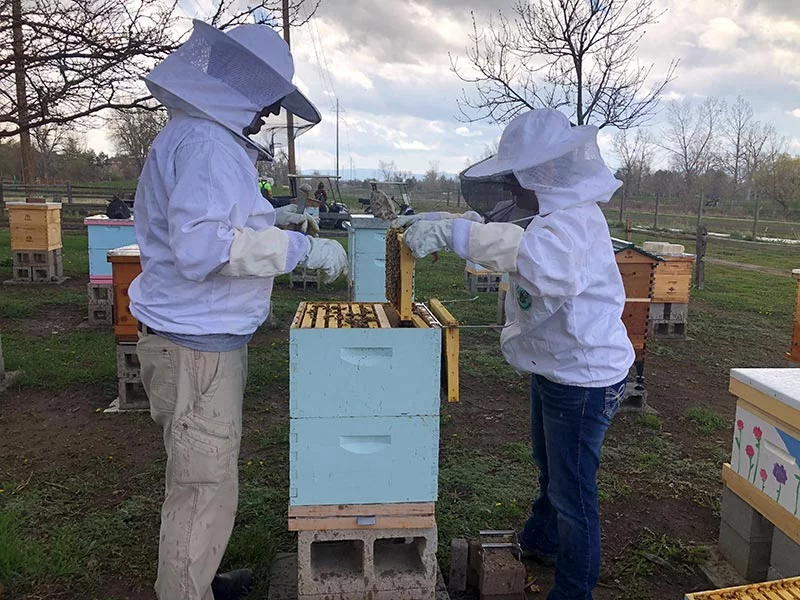
Search for your state’s Department of Agriculture beekeeping page. Look for sections titled "Bee Inspection," "Apiary Registration," or "Beekeeping Laws." These pages list registration deadlines and disease reporting requirements.
Visit your county planner’s website or call the zoning office. Ask about "apiary zoning" or "livestock restrictions." Determine if there are setback requirements for hives near neighbors or public rights-of-way.
If you live within city limits, check municipal codes for noise or nuisance ordinances. If you have an HOA, review your covenants, conditions, and restrictions (CC&Rs) for any bans on hives or bees.
Register hives and pay fees
Most states treat bee registration like a vehicle title or a business license. It is a mandatory administrative step designed to help apiary inspectors track disease outbreaks and manage pest control programs. Without this registration, your hives are invisible to state officials, which means you lose access to vital health inspections and legal protection during disease events.
The process usually follows a strict sequence. First, you find the specific rules for your state’s department of agriculture. Next, you submit your apiary details, including the number of colonies and your exact location. Finally, you pay the required fee, which often covers inspection costs for a two-year period.
Before you place your first hive, ensure you have completed these administrative steps. Failure to register can result in fines or the forced removal of your colonies if a disease inspection is ordered.

Check zoning and distance rules
Before you place a single hive, you need to verify two things: what your city allows and what your neighbors might tolerate. Zoning laws act as the gatekeeper for urban beekeeping, determining whether your property is even eligible for apiaries. In many jurisdictions, beekeeping is permitted in residential zones, but it comes with strict spatial constraints to ensure public safety.
The most common restriction is the setback requirement. This rule dictates how far your hives must be from property lines, streets, or neighboring structures. For example, Florida permits beekeeping in non-agricultural areas, but local ordinances often require hives to be set back a specific distance from lot lines to prevent bees from flying over adjacent yards. These distance rules are designed to keep bee traffic away from high-traffic areas and reduce the likelihood of conflicts with neighbors who may have allergies or fears.
HOA restrictions operate on a different level. While local laws might permit your hives, your Homeowners Association (HOA) covenants could explicitly forbid them. Many HOAs view hives as an "unsightly" structure or a nuisance, regardless of how well you maintain them. If you live in a managed community, check your CC&Rs (Covenants, Conditions, and Restrictions) before applying for any permits. Some HOAs allow hives only if they are hidden from street view behind a fence, effectively creating a visual barrier for the bees.
To navigate these layers of regulation, start by contacting your local zoning office. Ask specifically about "apiary setbacks" and whether your parcel is zoned for agricultural or residential use with exceptions. If you have an HOA, request a copy of the architectural review guidelines. Understanding these boundaries early saves you from the costly mistake of buying equipment for hives you can't legally keep.
Choose natural beekeeping starter kits
Your first hive is a long-term investment, but it must also comply with local beekeeping laws. Many jurisdictions mandate movable-frame hives for inspection purposes, making traditional top-bar or cut-out hives non-compliant in residential areas. Selecting equipment that satisfies both regulatory requirements and natural beekeeping principles saves you from costly fines or forced reconfiguration later.
Compare hive types and legal compliance
Not all hives are created equal under the law. While the Langstroth is the industry standard for its modularity, it requires specific spacing and frame handling that some natural beekeepers find restrictive. Top-bar hives offer a more natural comb structure but are often banned in suburban zones due to inspection difficulties. The following comparison highlights how different hive styles align with typical regulatory frameworks.
| Hive Type | Typical Legal Status | Natural Beekeeping Fit | Inspection Ease |
|---|---|---|---|
| Langstroth (Movable Frame) | Widely permitted | Moderate (requires management) | High |
| Top-Bar | Often restricted in urban zones | High (natural comb) | Low |
| Warre | Variable; check local codes | High (minimal intervention) | Moderate |
| Cut-Out/Log | Rarely permitted for active hives | Maximum | Very Low |
Verify zoning and registration requirements
Before purchasing equipment, you must ensure your setup is legal. Start by checking your county’s zoning ordinances for setbacks and colony limits. Next, register your apiary with your state’s department of agriculture, as required in most states. This step is often tied to disease surveillance and ensures you are covered under local beekeeping laws. Finally, confirm that your chosen hive type meets the state’s inspection standards.
Search your county or city’s planning department website for "apiary" or "beekeeping" zoning codes. Look for restrictions on the number of colonies, setback distances from property lines, and allowed hive types. Many urban areas prohibit top-bar hives due to inspection challenges.
Visit your state’s department of agriculture website (e.g., NCSBA or Texas Apiary Inspection Service) to find registration forms. Registration is often mandatory for disease tracking and is a prerequisite for legal operation in many jurisdictions.
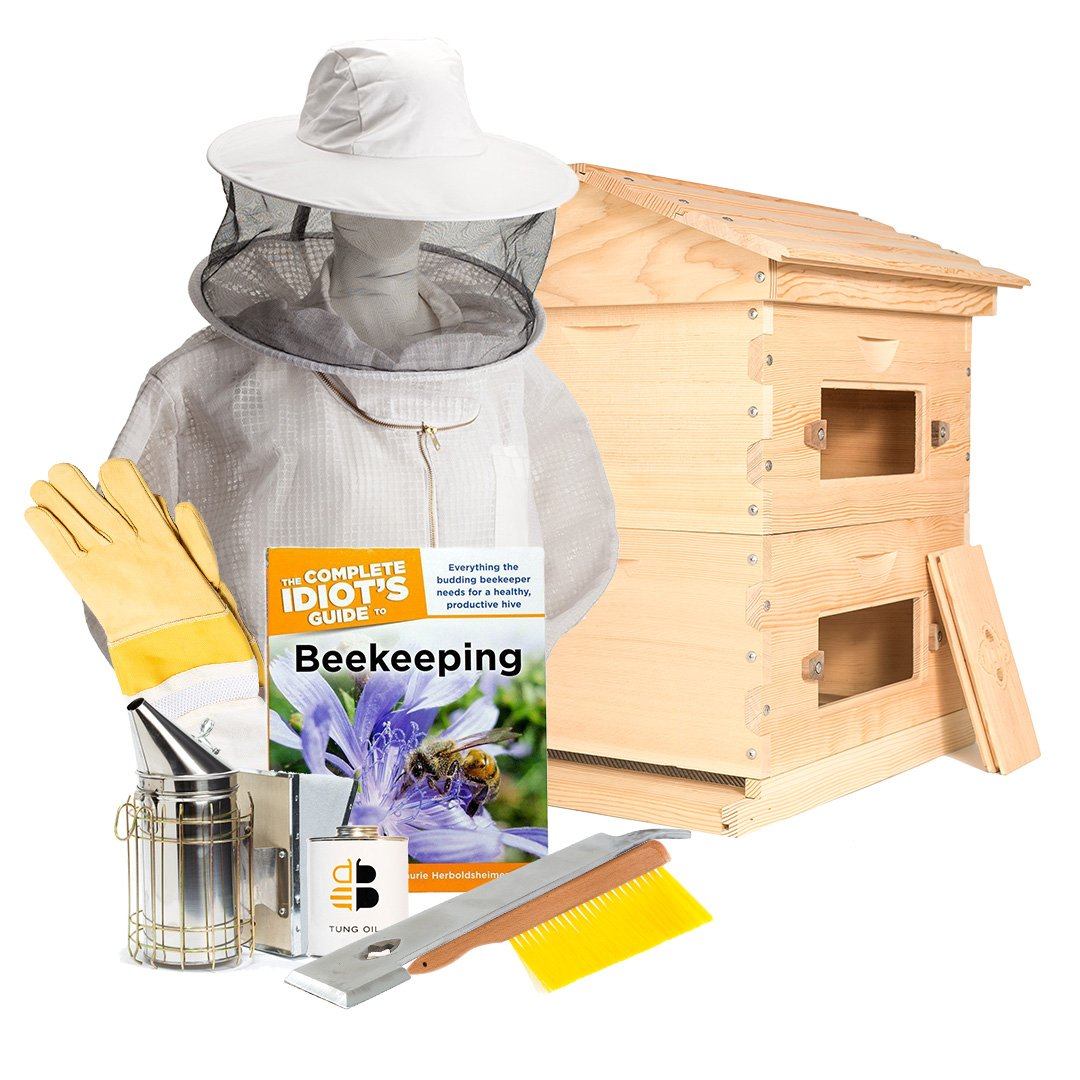
Choose a starter kit that includes movable frames if your local beekeeping laws require them. Langstroth kits are the safest bet for compliance, while Warre hives may offer a more natural approach if permitted. Ensure the kit includes protective gear and essential tools for inspection.
Essential gear for compliant natural beekeeping
Even with a natural approach, you need the right tools to maintain compliance. Inspectors often require clear visibility of brood patterns and health, which means you need a smoker, hive tool, and veil. Investing in a high-quality starter kit that includes these essentials ensures you are prepared for both natural management and regulatory inspections.


As an Amazon Associate, we may earn from qualifying purchases.
Avoid common legal mistakes
New beekeepers often focus on hives and swarms while overlooking the paperwork and local codes that govern their hobby. In many jurisdictions, ignorance of the rules is not a defense against fines or forced hive removal. Compliance with local beekeeping laws requires a proactive approach to zoning, registration, and neighbor relations.
Check HOA and zoning rules first
Before ordering equipment, review your property’s deed restrictions and municipal zoning codes. Homeowners associations (HOAs) frequently prohibit apiaries or limit the number of hives, regardless of state law. Failing to secure HOA approval is a frequent cause of legal disputes and forced removal. Even if your city allows beekeeping, zoning maps may restrict it to specific residential or agricultural zones.
Register your hives if required
While some states like Texas do not require registration, many others mandate that beekeepers report their hives to the state apiary inspector. This helps authorities track diseases and manage pest outbreaks. Check your state’s department of agriculture website to see if registration is mandatory. Missing this step can result in penalties during routine inspections.
Post warning signs and manage swarms
Local ordinances often require visible warning signs at property entrances to alert neighbors and visitors to the presence of bees. Proper signage reduces liability and demonstrates responsible stewardship. Additionally, have a plan for swarm control. Unmanaged swarms that block roads or threaten neighbors often trigger complaints and code enforcement actions.
Common beekeeping laws: what to check next
Navigating beekeeping laws requires checking federal, state, and local rules to ensure compliance and protect pollinator health. Registration and zoning are the primary hurdles for new apiarists.
Start by finding your state’s apiary laws, then complete any required registration with your department of agriculture. Finally, check local zoning codes to ensure your property allows hives. This sequence prevents fines and keeps your operation legal.
No comments yet. Be the first to share your thoughts!