

Bees and the changing weather
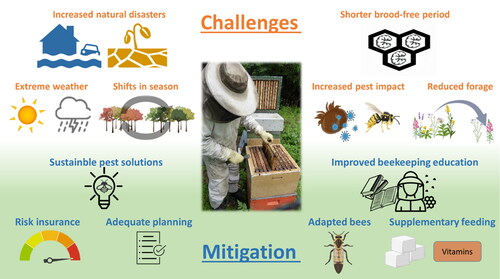
Bees are struggling with erratic weather. We're seeing flowers bloom at the wrong times and colonies starve because the rain won't stop. These aren't future projections; I'm seeing these shifts in my own yard and across the region right now.
Research from the USDA Climate Hubs confirms these concerns. Their beekeeping guide, developed by David Tarpy at North Carolina State University, directly addresses the challenges posed by a changing climate, particularly hurricane recovery in the Southeastern US. UC Davis researchers echo this, noting that climate change is ratcheting up pressure on bee populations, impacting their ability to thrive and pollinate.
Bees operate on very specific seasonal cues. These cues tell them when to build up their colonies, when to swarm, and when to prepare for winter. A warmer spring might trigger early activity, only to be followed by a late frost, devastating emerging brood. Erratic rainfall can disrupt foraging, leaving bees without enough food. The cumulative effect of these disruptions weakens colonies, making them more susceptible to pests and diseases.
It's a serious situation, but not a hopeless one. Understanding the ways climate change impacts bees is the first step towards protecting them. We need to adapt our beekeeping practices to help these vital pollinators navigate a rapidly changing world. This isn’t about abandoning beekeeping; it’s about evolving with the times and becoming more proactive stewards of bee health.
Where to put your hives
Traditional hive placement often prioritizes sunlight and wind protection, but those considerations need a closer look in a warmer world. What worked well in the past might not be optimal now. We need to think about microclimates – the specific conditions within your apiary – and how to create buffers against extreme temperatures.
Shade is no longer optional. A hive facing south or west in July is basically an oven. I use shade cloth if there aren't trees nearby. You also need a windbreak—a simple hedge or a fence—to stop the wind from sucking the heat out of the hive in winter or battering it during storms.
Look for existing landscape features that can offer protection. A grove of trees, a south-facing slope, or even a building can create a more favorable microclimate. If you don't have these features, you can create them. Building a simple windbreak from hay bales or planting a row of shrubs can make a significant difference.
Hive orientation matters too. Facing hive entrances away from prevailing winds can reduce drafts and conserve heat. Orienting entrances to maximize morning sun can help warm the hive more quickly. Increased humidity, a consequence of changing weather patterns, also creates concerns. Good ventilation and ensuring proper drainage around hives are crucial to prevent mold and mildew growth, which can harm bees.
Water is more than just a bucket
Bees need water, that's undeniable. But providing water isn’t just about leaving out a bucket. It’s about providing consistent, clean water, and doing so safely. During droughts, finding water can become a major challenge for bees, impacting their foraging range and overall health.
The key is to create bee-friendly water stations. A shallow dish filled with water and pebbles, marbles, or floating corks provides a safe landing spot for bees to drink without drowning. Replace the water frequently to keep it clean and prevent the growth of algae. A dedicated bird bath, appropriately modified, can also work well.
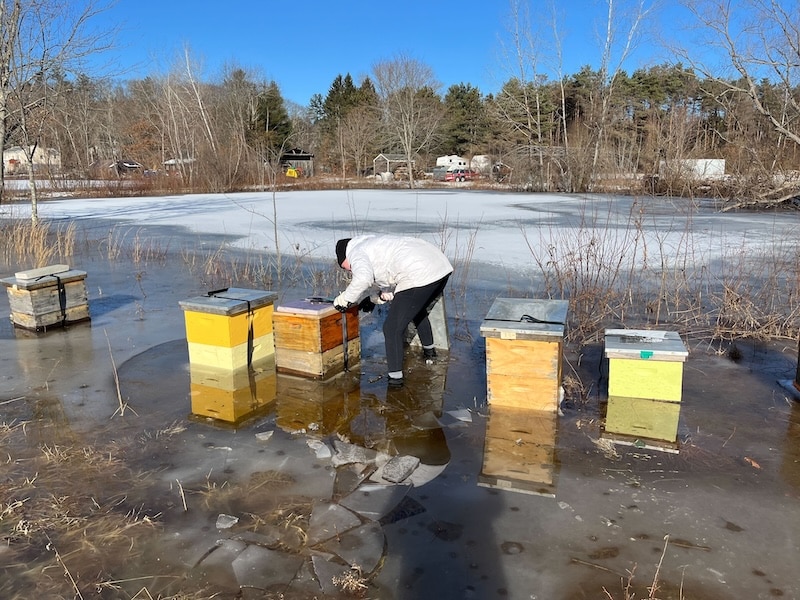
Increased rainfall and flooding present a different set of problems. Hives need to be placed in areas with good drainage to prevent water from accumulating around the base. In flood-prone areas, consider elevating hives on stands or pallets. Stagnant water breeds disease, so eliminating any standing water near your apiary is vital.
Water availability is directly linked to foraging success. When water is scarce, bees spend more time searching for it, reducing the time they have for collecting nectar and pollen. Providing a consistent water source helps bees maintain their energy levels and maximize their foraging efficiency.
Natural Hive Insulation & Ventilation
One of the most effective ways to help bees cope with extreme temperatures is to regulate hive temperature naturally. This means using materials and techniques that mimic the insulation and ventilation found in a natural tree cavity. We can learn a lot from how bees manage temperature in the wild.
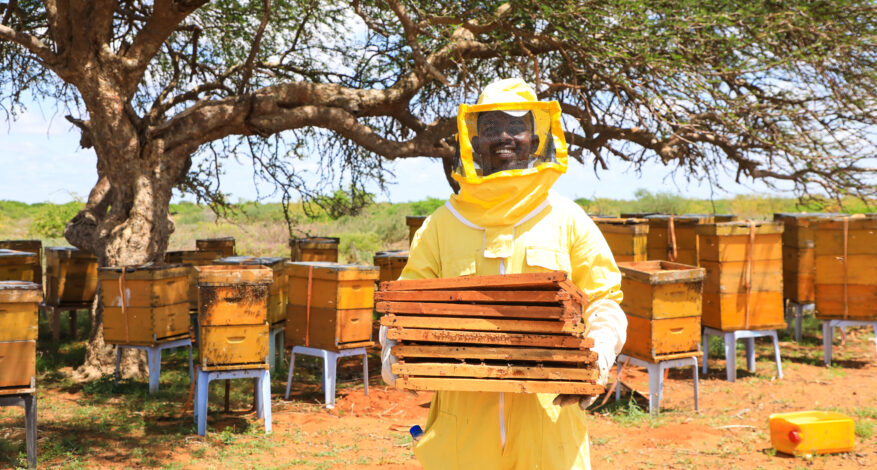
Hive wraps, made from breathable fabrics like burlap or cotton, can provide an extra layer of insulation during cold weather. Top insulation, using materials like straw, wood shavings, or even repurposed carpet, helps prevent heat from escaping through the top of the hive. Strategic ventilation is equally important. Screened bottom boards and adjustable entrances allow you to control airflow and prevent condensation.
Improper ventilation can be detrimental. Too little ventilation can lead to moisture buildup and mold growth, while too much can create drafts and chill the hive. The goal is to find a balance that maintains a dry, stable environment. Regularly checking for condensation inside the hive is a good practice.
Comparing materials, straw offers excellent insulation but needs replacing periodically. Wood shavings are readily available and effective, but can harbor pests if not managed properly. Breathable fabrics provide a good balance of insulation and ventilation. This approach aligns with the principles of natural beekeeping, working with the bees rather than against them.
Hive Insulation Material Comparison for Climate Resilience
| Material | Best For | Key Benefit | Consideration |
|---|---|---|---|
| Straw Bales | Cold, dry climates | Excellent natural insulation and breathability | Requires significant space and regular replacement to prevent mold. |
| Wood Shavings | Moderate cold, generally dry conditions | Good insulation value and readily available | Can become compacted over time, reducing effectiveness and potentially harboring pests. |
| Foam Board (Polyurethane) | Extreme cold or heat | High R-value for maximum thermal protection | Limited breathability; may contribute to moisture buildup within the hive. |
| Cellulose Insulation (Recycled Paper) | Moderate climates | Good insulation and relatively sustainable | Must be treated for fire resistance and protected from moisture. |
| Sheep's Wool | Variable climates, prioritizing breathability | Naturally regulates temperature and moisture | Higher initial cost compared to some other options. |
| Cork | Moderate to warm climates | Sustainable, naturally water-resistant, and provides moderate insulation | Can be more expensive than conventional options and availability may be limited. |
| Bubble Wrap (multiple layers) | Short-term emergency insulation | Readily available and provides some insulation | Not breathable and degrades quickly with UV exposure; a temporary solution only. |
Qualitative comparison based on the article research brief. Confirm current product details in the official docs before making implementation choices.
Picking bees that can survive
It’s easy to think of all bees as the same, but different breeds possess varying degrees of resilience to climate-related stressors. Heat tolerance, drought resistance, and disease resistance are all traits that can be enhanced through careful breed selection. Ignoring these differences can lead to weaker, less productive colonies.
Italians are easy to handle, but they eat through stores fast and struggle when it gets too hot. Carniolans handle cold well but don't always cope with long droughts. I've had better luck with Russian bees because they deal with mites better, but even they aren't a perfect fix for every backyard.
Locally adapted bees are often the most resilient. Bees that have been bred and raised in your area for generations are more likely to be adapted to the specific climate and forage conditions. Supporting local beekeepers who focus on breeding stock is a great way to promote genetic diversity and build stronger colonies.
Genetic diversity is crucial. A diverse gene pool increases the likelihood that some bees will possess the traits needed to survive and thrive in a changing climate. Avoiding inbreeding and encouraging cross-breeding can help maintain genetic diversity within your apiary.
Climate-Resilient Bee Breeds
- Carniolan Honey Bee (Apis mellifera carnica) - Known for their gentleness, rapid spring buildup, and efficient honey production, Carniolans adapt well to colder climates. They conserve resources during harsh winters but can be prone to robbing if resources are scarce.
- Russian Honey Bee (Apis mellifera pumila) - Developed from bees imported from the Primorsky Krai region of Russia, these bees exhibit strong resistance to Varroa mites and are well-suited to colder, longer winters. They can be more defensive than other breeds.
- Buckfast Bee - A hybrid breed developed by Brother Adam at Buckfast Abbey, England. Buckfast bees are selected for gentleness, productivity, and disease resistance, making them adaptable to a variety of climates. Their hybrid vigor can sometimes lead to variability within a colony.
- Italian Honey Bee (Apis mellifera ligustica) - A popular choice for beekeepers, Italians are known for their productivity and gentle nature. They thrive in warmer climates but may struggle in areas with long, cold winters without supplemental feeding.
- Minnesota Hygienic Bees - Developed at the University of Minnesota, these bees exhibit a strong hygienic behavior, meaning they are adept at removing diseased or infested brood. This trait enhances their resistance to various diseases and pests, making them resilient in challenging conditions.
- Cordovan Italian Bees - A strain of Italian bees characterized by their reddish-brown color, Cordovans are known for their gentleness and honey production. They are adaptable to various climates but may require supplemental feeding in colder regions.
Feeding Strategies for Unpredictable Forage
Climate change is disrupting flowering patterns, leading to periods of forage scarcity. What used to be a reliable nectar flow might be delayed, shortened, or even absent altogether. Supplemental feeding can help bridge these gaps and ensure your bees have the resources they need.
Sugar syrup is a quick and easy source of carbohydrates, but it lacks the nutritional complexity of nectar. Pollen patties provide essential proteins and fats, which are crucial for brood rearing. Fondant can be used as a slower-release carbohydrate source, particularly during cold weather. The appropriate feeding method depends on the specific needs of the colony and the time of year.
Providing a balanced diet is essential. Simply feeding sugar syrup isn’t enough. Bees need a variety of nutrients to stay healthy and productive. Consider adding pollen substitutes or supplements to your feeding regimen. However, avoid overfeeding. This can lead to dependency and discourage bees from foraging naturally.
Planting bee-friendly flowers and cover crops can provide a more sustainable source of forage. Choosing plants that bloom at different times of the year can help ensure a continuous supply of nectar and pollen. This is a proactive approach that reduces your reliance on supplemental feeding and supports the overall health of the ecosystem.
Preparing for Extreme Weather Events
Extreme weather events – hurricanes, floods, wildfires, and heat waves – are becoming more frequent and intense. Being prepared can mean the difference between a minor setback and a total loss. It’s about mitigating risk and protecting your investment.
Securing hives is paramount. Tying hives together and weighing them down with concrete blocks or other heavy objects can prevent them from being blown over by strong winds. Protecting hives from wind damage also involves clearing debris and vegetation around the apiary. The USDA Beekeeping Guide specifically addresses hurricane preparation, recommending these measures and more.
Having a plan for evacuating hives is crucial in areas prone to flooding or wildfires. This might involve moving hives to a safer location or temporarily housing them in a secure building. Having emergency supplies on hand – extra frames, foundation, sugar, and hive tools – will allow you to quickly rebuild colonies if they are damaged.
Regular hive inspections are essential. Identifying and addressing potential weaknesses – such as a weak queen or a small population – can help colonies withstand the stress of extreme weather. Checking for loose frames, damaged equipment, and signs of disease can prevent minor problems from becoming major ones.
- Tie hives down and weigh them with concrete blocks so they don't tip in high winds.
- Clear away loose debris or branches that could turn into projectiles during a storm.
- Evacuation Plan: Know where to move hives if necessary.
- Emergency Supplies: Keep extra frames, foundation, and sugar on hand.
- Regular Inspections: Check for weaknesses and address them promptly.
No comments yet. Be the first to share your thoughts!