

New rules for the 2026 season
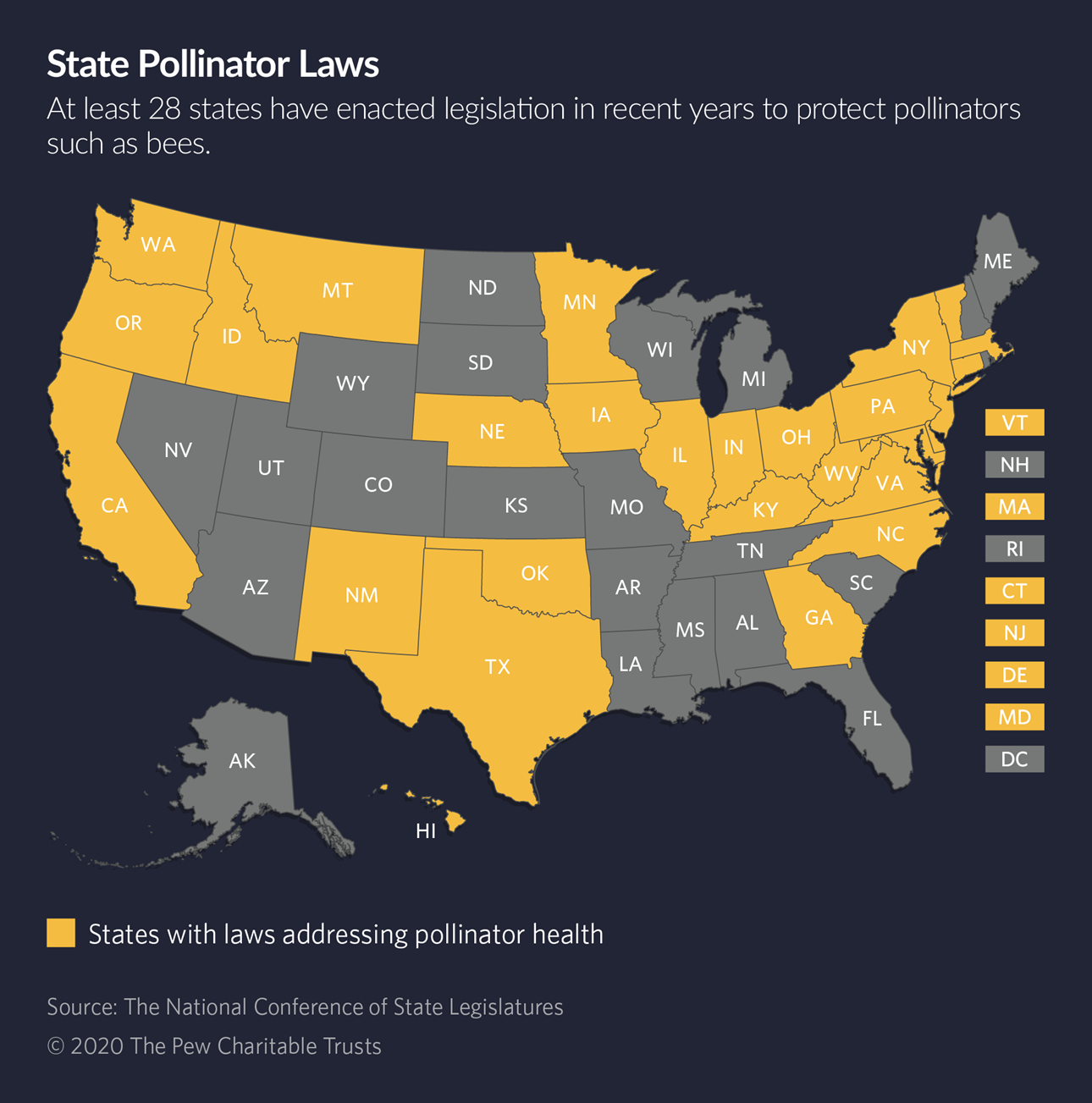
State legislatures are overhauling beekeeping rules for 2026. Most of these changes come from a mix of colony collapse fears and the sudden boom in backyard hobbyists. We're seeing a shift toward tighter oversight, though some states are trying to keep things simple for small-scale keepers.
Right now, the trend is moving toward mandatory registration and stricter rules on where you can put your hives. Some states are also looking at tighter labeling laws for honey sales. These are based on current bills moving through state houses, so they aren't set in stone yet.
California and Florida usually move fast on new rules, while Midwest states take their time. Even if your state is hands-off, your city or county might have its own zoning laws. I recommend checking with your local extension office before you buy your first nuc.
One particularly interesting development is the growing discussion around standardized best management practices for varroa mite control. Several states are exploring ways to encourage or even require beekeepers to implement integrated pest management strategies. This reflects a broader move towards proactive bee health management rather than reactive treatment of problems. It’s a challenging area, though, as different beekeepers have different philosophies and resources.
Local Ordinances: The Hidden Rules
State laws provide a framework, but it’s essential to understand that local ordinances – those enacted by cities, counties, and even homeowners associations – can significantly impact beekeeping. These local regulations can be more restrictive than state law, and they often address issues not covered at the state level.
Why is this the case? Local governments often respond to the specific concerns of their communities. A densely populated urban area, for example, might have stricter rules about hive placement and water sources than a rural county. It's always best to check directly with your local government to confirm the rules in your area. County extension offices and city hall websites are excellent resources.
Common types of local restrictions include stricter hive setbacks from property lines (sometimes requiring 50 or even 100 feet), mandatory water sources for bees (to prevent them from seeking water from neighbors’ pools or pets’ bowls), and restrictions on queen rearing (due to concerns about swarming). Some cities even prohibit beekeeping altogether, while others require beekeepers to carry liability insurance.
For example, in Asheville, North Carolina, beekeeping is permitted, but hives must be at least 25 feet from property lines and 10 feet from walkways. In contrast, some homeowners associations across the country have outright bans on beekeeping, citing concerns about stings and allergies. It really varies widely.
- Check with your county extension office.
- Contact your city hall or local government.
- Review your homeowners association (HOA) rules.
- Search online for local beekeeping ordinances.
2026 Beekeeping Laws by State: Summary of Registration & Regulation
| State | Registration Required | Inspection Frequency | Regulations Focus | Additional Notes |
|---|---|---|---|---|
| California | Yes | Routine, risk-based | Disease Control, Colony Location | Registration is managed by the California Department of Food and Agriculture. |
| Florida | Yes | Upon request/Complaint-based | Disease Prevention, Beekeeper Identification | Registration helps track colonies and manage potential outbreaks. Registration is managed by FDACS. |
| Texas | No | Generally not required | Best Management Practices encouraged | Voluntary registration available through the Texas Apiary Inspection Service. |
| New York | Yes | Annual, or as needed | Disease Control, Apiary Mapping | Registration is required for all colonies. Focus on American Foulbrood. |
| Montana | Yes | Periodic, based on risk | Disease Prevention, Interstate Commerce | Registration is important for tracking and managing bee health across state lines. |
| Arizona | Yes | As needed, complaint driven | Africanized Bee Management, Disease Control | Focus on managing Africanized honey bees and disease outbreaks. |
| Georgia | Yes | Routine, based on apiary size | Disease Control, Colony Health | Registration helps ensure colony health and prevent disease spread. |
| Illinois | No | Inspection upon request | Promotes best beekeeping practices | Voluntary registration is available. |
Qualitative comparison based on the article research brief. Confirm current product details in the official docs before making implementation choices.
Apiary Inspection Protocols in 2026
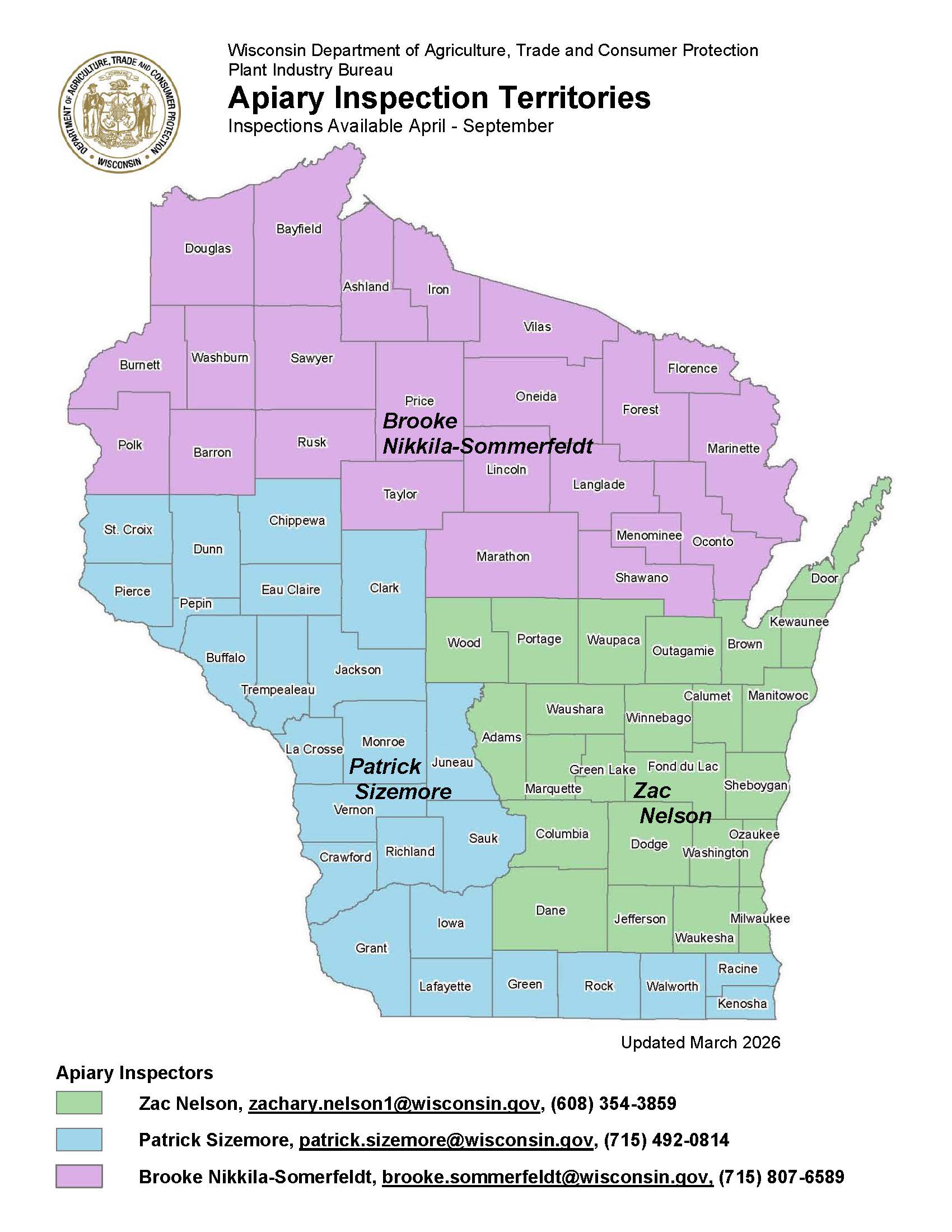
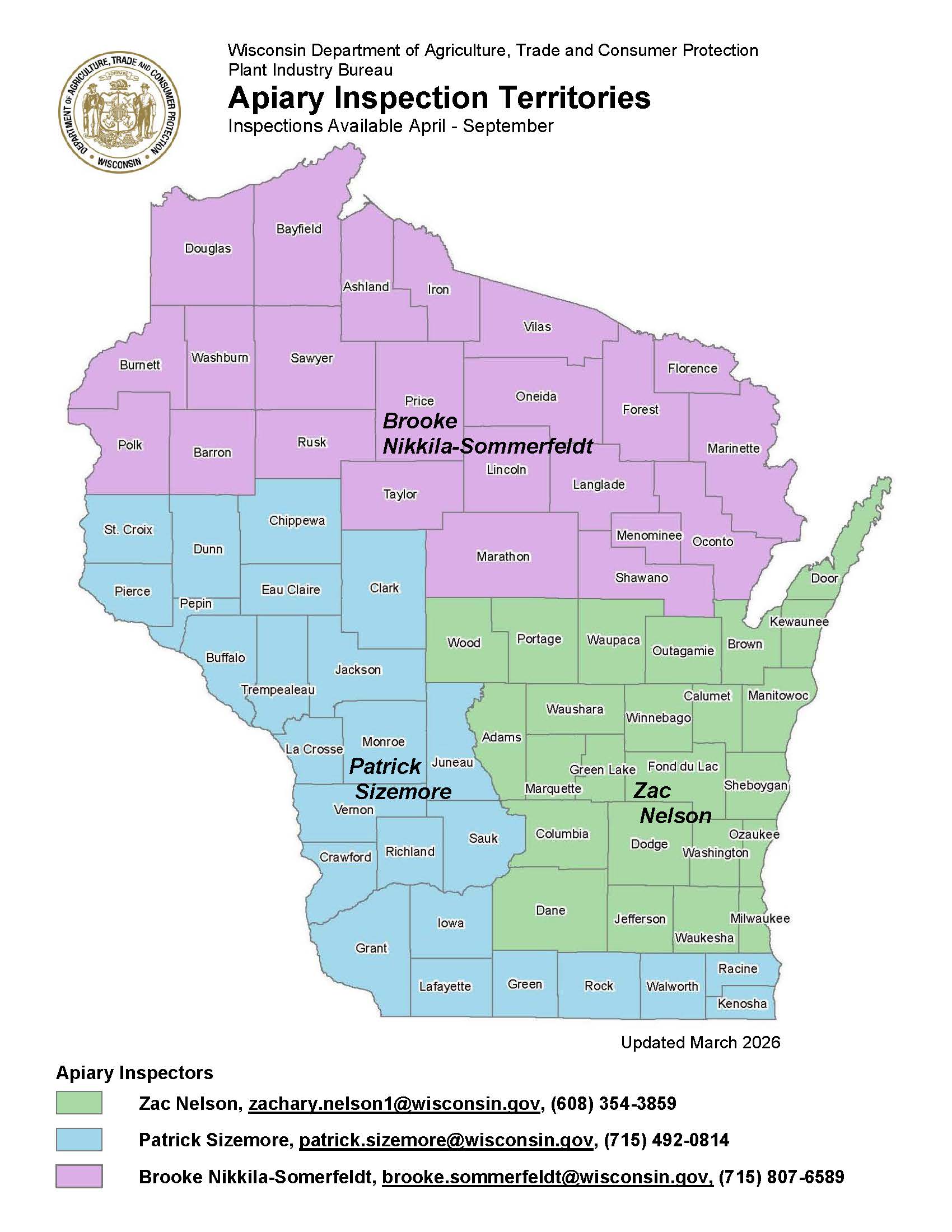
Apiary inspections are conducted by state apiary inspectors to ensure bee health and prevent the spread of diseases and pests. The primary purpose of these inspections is to detect and manage threats like American foulbrood (AFB), varroa mites, and small hive beetles. Inspections are not meant to be punitive, but rather to provide support and guidance to beekeepers.
Inspectors typically look for signs of disease, such as sunken or discolored brood cells (indicating AFB), and assess the level of varroa mite infestation. They may also collect samples for laboratory analysis. Beekeepers should expect the inspector to ask about the apiary’s history, management practices, and any recent treatments used. They’ll also want to see your records.
In 2026, we anticipate an increased focus on early detection of Nosema ceranae, a microsporidian parasite that can weaken colonies. New inspection techniques, such as spore counts and molecular diagnostics, may be implemented. Failing an inspection can result in a written warning, a quarantine order, or, in severe cases, the destruction of infected colonies. Beekeepers have the right to ask questions, request a second opinion, and appeal any adverse decisions.
It’s important to cooperate fully with the inspector and address any concerns they raise promptly. Maintaining good beekeeping practices, such as regular hive inspections and integrated pest management, can significantly reduce the risk of failing an inspection.
- Prepare your apiary for inspection by ensuring clear access to all hives.
- Have your beekeeping records readily available.
- Be prepared to answer questions about your management practices.
- Cooperate fully with the inspector and address any concerns promptly.
Selling Honey & Bee Products: Regulations
If you plan to sell honey or other bee products – beeswax, pollen, propolis, or even nucs – you’ll need to comply with specific regulations to ensure food safety and proper labeling. These regulations vary by state and sometimes even by locality.
Generally, labeling requirements include the net weight of the product, a list of ingredients (even for pure honey, you may need to state “100% raw honey”), the producer’s name and address, and any allergen warnings. Many states require honey to be produced in a licensed kitchen or food processing facility. Cottage food laws allow small-scale producers to sell certain products directly to consumers without a full commercial license, but these laws have limitations.
Interstate honey sales are subject to federal regulations, including those enforced by the Food and Drug Administration (FDA). You’ll need to comply with Good Manufacturing Practices (GMPs) and potentially register with the FDA. Selling honey at farmers’ markets or retail stores typically requires a food permit or license from the state’s Department of Agriculture or Health.
Understanding these regulations can be complex, so it’s essential to consult with your state’s Department of Agriculture and local health authorities before you start selling your bee products. Failure to comply can result in fines, product recalls, or even legal action.
- Check your state’s cottage food laws.
- Obtain a food permit or license if required.
- Ensure proper labeling of your products.
- Comply with all applicable food safety regulations.
Notable State Law Changes: 2025-2026
Several states have recently made, or are poised to make, significant changes to their beekeeping laws. These changes reflect evolving priorities and a growing understanding of the challenges facing bee populations. California, as mentioned earlier, continues to refine its regulations, with a focus on mitigating the impact of pesticide exposure on bees.
Florida has been actively updating its apiary registration system, moving towards a more digitized platform to streamline the process and improve data collection. This is partly driven by the need to better track and respond to outbreaks of bee diseases. The state is also considering legislation to provide tax incentives for beekeepers who adopt best management practices for varroa mite control.
Maine recently passed a law requiring all beekeepers to complete a basic beekeeping education course before registering their apiaries. This is a proactive step aimed at improving beekeeping practices and reducing the risk of disease spread. The course covers topics such as bee biology, hive management, and pest and disease identification.
Texas is undergoing a review of its beekeeping regulations, with a particular focus on addressing the issue of Africanized honey bees. The state is exploring options for developing a more effective monitoring and management program. This is a complex issue, as Africanized bees can be difficult to distinguish from European honey bees without genetic testing.
Oregon has implemented new rules regarding the import of bees, requiring beekeepers to obtain a health certificate from the state of origin. This is intended to prevent the introduction of new pests and diseases into the state. The regulations also specify the types of inspections that must be conducted before bees are allowed to enter Oregon.
Resources & Further Information
Staying informed about beekeeping laws and best practices is crucial for success. Here are some valuable resources to help you navigate the world of beekeeping:
State Departments of Agriculture: Each state’s Department of Agriculture is the primary source of information on beekeeping regulations. You can find their websites through a simple online search.
Bee Simply: Our website (beesimply.com) offers a wealth of information on beekeeping, including beginner’s guides, natural beekeeping techniques, and resources for finding beekeeping classes. We also carry a wide range of beekeeping supplies.
Local Beekeeping Associations: Joining a local beekeeping association is a great way to connect with other beekeepers, learn about local regulations, and stay up-to-date on industry news.
University Extension Programs: Many universities offer extension programs that provide research-based information and training on beekeeping.
American Beekeeping Federation: The American Beekeeping Federation (abfnet.org) is a national organization that advocates for beekeepers’ rights and provides resources for members.


No comments yet. Be the first to share your thoughts!