

Beekeeping starter kits: what’s included and what to check
Most beekeeping starter kits bundle the essential hardware into one purchase. You typically get a Langstroth hive box, frames, foundation sheets, a smoker, and basic protective gear. This setup removes the guesswork of sourcing individual components from different suppliers.
However, kits vary significantly in quality. Some include only one deep hive body, while others provide two. Frame construction also differs; some use full plastic foundation, while others offer natural comb foundation. Always verify exactly what is inside before buying.
The primary trade-off is convenience versus customization. Kits save time but may include generic tools. If you plan to expand quickly, buying a single hive box separately might be cheaper than purchasing a multi-box kit.
Beekeeping starter kits choices that change the plan
Choosing a starter kit is less about finding the "best" product and more about identifying which compromises you are willing to make. Kits bundle essential items—hives, protective gear, and tools—to lower the barrier to entry, but they rarely optimize for every beginner's specific context. You will need to weigh upfront cost against long-term durability, assembly time, and local climate requirements.
The most common tradeoff is between pre-assembled convenience and modular flexibility. Pre-assembled boxes save immediate labor but often use lower-grade lumber that may warp in humid climates. Modular kits require more initial effort but allow you to replace individual damaged parts years later. Another factor is frame count: 8-frame hives are lighter and easier to manage for small backyards, while 10-frame hives handle larger honey flows but demand more physical strength to inspect.
To help you visualize these financial and logistical tradeoffs, compare the typical components and hidden costs across common kit configurations below.
| Feature | Basic Kit ($150-$250) | Premium Kit ($350-$500) | Pre-assembled ($200-$400) |
|---|---|---|---|
| Hive Material | Untreated pine | Cypress or Cedar | Treated pine |
| Assembly Time | 3-5 hours | 2-4 hours | 0 hours |
| Tool Quality | Basic smoker, thin gloves | Stainless smoker, heavy gear | Varies by brand |
| Frame Count | 5-8 frames | 8-10 frames | 8-10 frames |
| Resale Value | Low | High | Medium |
If you are unsure how these choices impact your total budget, use this calculator to estimate your initial investment based on your local gear needs and hive size.
Choose a beginner beekeeping starter kit
A starter kit bundles the essential hardware into one purchase, removing the guesswork from your first year. For beginners, the goal is not to buy every tool at once, but to secure a functional hive, basic protective gear, and a smoker. This approach keeps initial costs manageable while ensuring you have the necessary components to inspect and manage your colony safely.
When evaluating kits, prioritize the Langstroth hive as the easiest bee hive for beginners. Its standardized frames and deep boxes are widely available, making it simple to source replacement parts or swap frames with experienced neighbors. While top-bar and Warre hives offer different beekeeping styles, the Langstroth’s compatibility with existing equipment makes it the most practical choice for new beekeepers learning the trade.
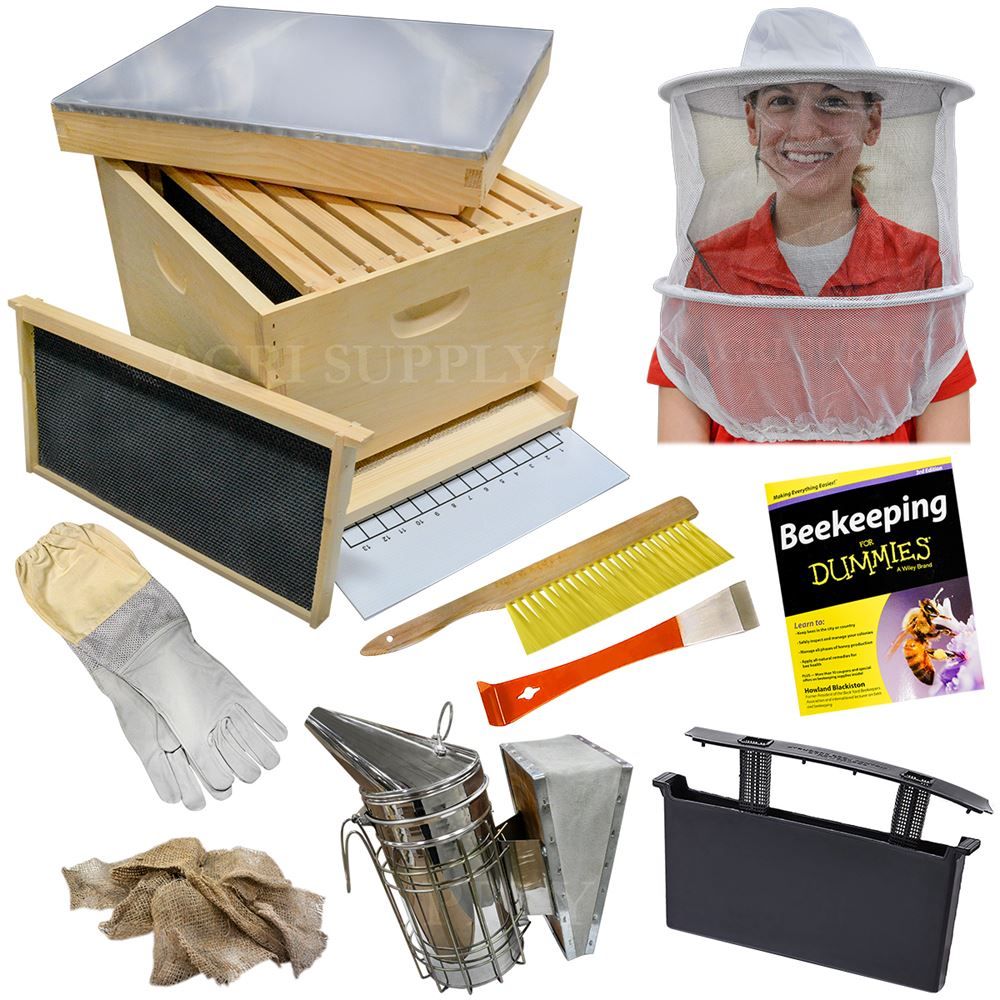
Look for a wax-coated or painted Langstroth deep box. Wax coating preserves the wood and reduces the need for immediate maintenance. Ensure the kit includes at least three frames with foundation to give your bees a head start on comb construction.
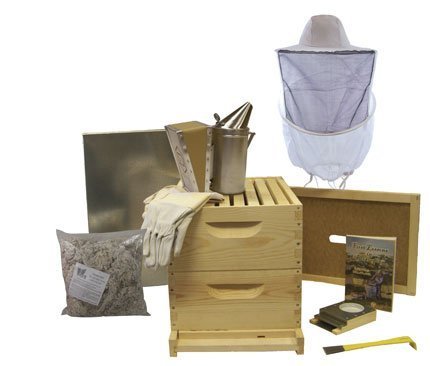
A ventilated jacket or full suit with a veil is non-negotiable. Cheaper kits often skip quality zippers or mesh. Check that the suit fits comfortably over your clothing, allowing you to move freely without tearing the fabric during inspections.
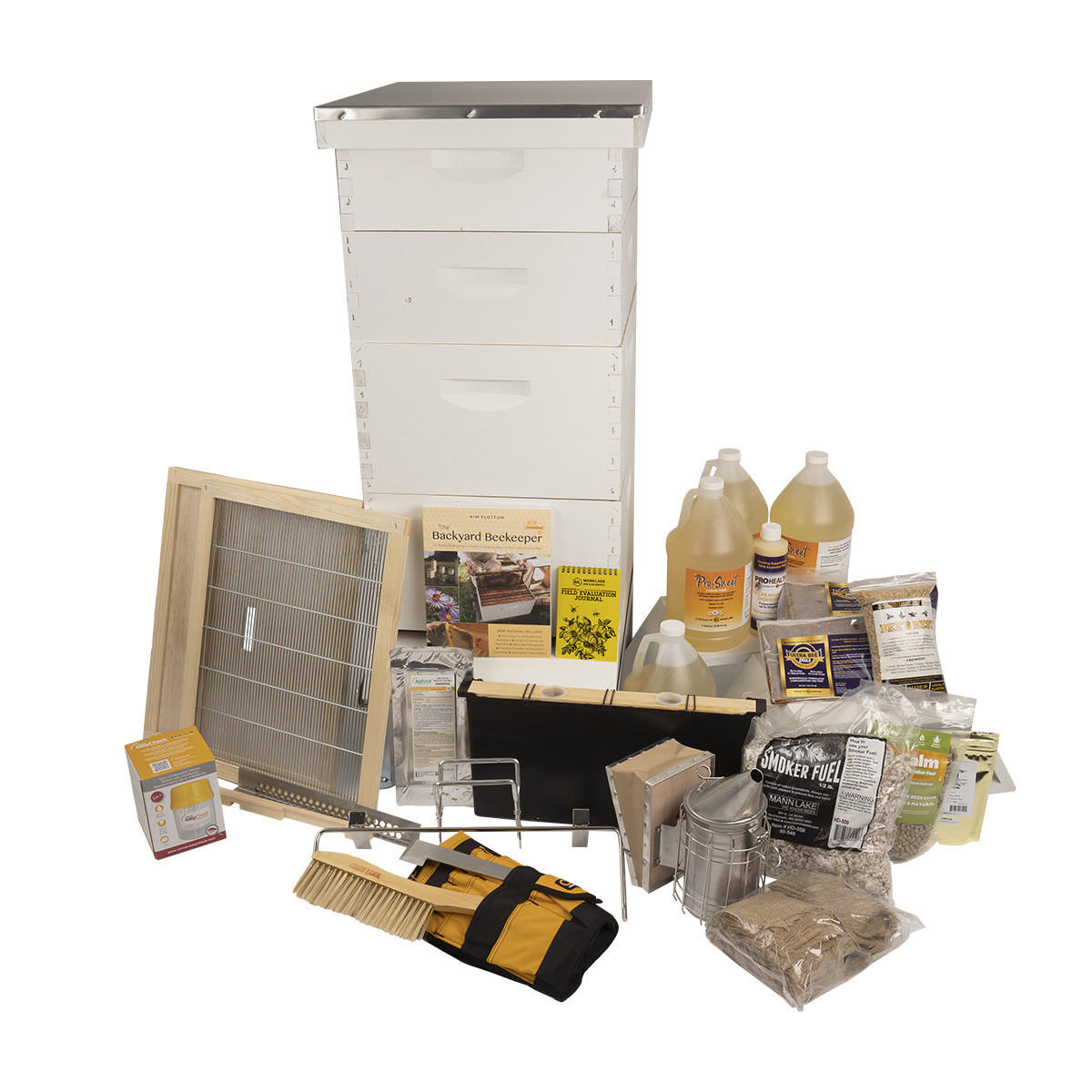
A functioning smoker is critical for calming bees during hive openings. Ensure the kit includes a quality bellows or piston smoker. Pair this with a hive tool for prying apart sticky frames and a brush for gently moving bees.


As an Amazon Associate, we may earn from qualifying purchases.
The total cost to start beekeeping for beginners typically ranges from $300 to $600 for the first year. This covers the hive, protective gear, bees, and basic tools. Running a beginner beekeeper set annually costs significantly less, primarily involving sugar syrup or fondant for feeding during dearth periods and occasional hive inspections. The 7/10 rule in beekeeping suggests waiting seven days between inspections and only removing ten frames at a time to prevent chilling the brood. This restraint protects the colony’s temperature and reduces stress on the queen.
Watch Out for Misleading Starter Kit Claims
Beekeeping starter kits promise a complete setup, but the reality often involves hidden costs and fragile components. Many "all-in-one" boxes cut corners on frame materials, smoker durability, or protective gear quality. Before buying, check what is actually included versus what you must purchase separately.
Common Pitfalls in Starter Kits
- Incomplete Frame Counts: Kits often include only 5-7 frames per deep box, leaving you short when the colony expands. You will need to buy additional foundation and frames quickly.
- Thin Wood and Poor Joints: Cheap pine or plywood kits may warp or split in the first season. Look for kits made from thicker, kiln-dried lumber with sturdy joinery.
- Low-Quality Protective Gear: Included suits are often thin, poorly sealed, and uncomfortable. Investing in a separate, high-quality suit and veil is usually wiser.
- Missing Tools: Some kits omit essential tools like hive tools, smokers, or feeders. Verify the contents list against the standard beginner beekeeping checklist.
Calculating True Costs
Use this calculator to estimate the real cost of starting beekeeping, factoring in bees, equipment, and hidden expenses.
Legal and Local Considerations
Before purchasing, check your local zoning laws and beekeeping regulations. Some areas restrict the number of hives or require registration. Failure to comply can result in fines or forced removal of hives. Contact your local agricultural extension office for specific guidelines.
Final Checklist
-
Verify frame count and wood quality
-
Check for included tools and smoker
-
Review local zoning laws
-
Calculate total cost including bees and gear
-
Compare kit prices with individual component costs
Starting beekeeping doesn't have to be complicated. By avoiding these common pitfalls and calculating true costs, you can build a successful apiary from day one.
No comments yet. Be the first to share your thoughts!