
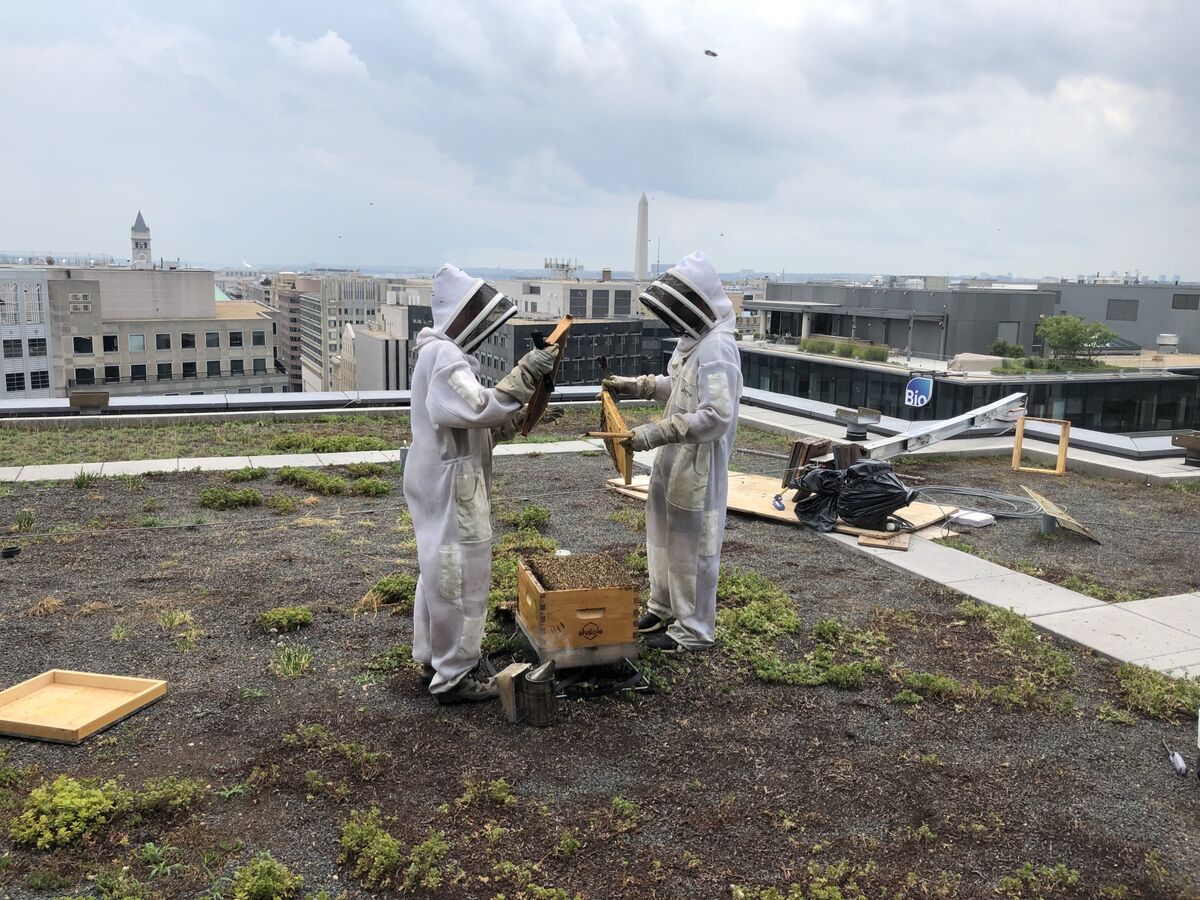

Is a rooftop hive right for you?
Keeping bees in the city is often better for the colony than placing them near a monoculture farm. Urban gardens and parks offer a diverse diet that keeps hives healthy. It isn't a passive hobby, though. You have to be ready to get on the roof in the heat and manage a living colony that doesn't care about your schedule.
A common misconception is that city honey is somehow "polluted’. While it’s true urban bees might encounter different things than rural bees, studies haven"t shown significant health risks to consumers. In fact, some argue urban honey is cleaner due to less pesticide use compared to large-scale agriculture. The flavor profile is often unique, too, reflecting the variety of blooms the bees forage on. It's a really interesting experience to taste the city in your honey.
There are challenges, of course. Access to the hives for maintenance, potential concerns from neighbors, and navigating local regulations are all hurdles. It’s also more difficult to find experienced mentors in urban areas. But the benefits – contributing to pollinator health, producing your own honey, and connecting with nature in an unexpected way – can be incredibly rewarding. It's a different world than traditional beekeeping, and requires a bit more planning.
Before you invest in a city beekeeping starter kit, honestly assess your time, resources, and willingness to learn. Beekeeping is a year-round commitment. Are you prepared to dedicate the necessary time to hive inspections, maintenance, and honey harvesting? It’s a fascinating hobby, but it’s definitely not passive.
Content is being updated. Check back soon.
Rooftop Considerations: Site Selection & Safety
Choosing the right location for your rooftop hives is paramount. Not every rooftop is suitable. First and foremost, assess the weight-bearing capacity of the roof. A fully populated hive can weigh over 100 pounds, and you’ll need to account for the weight of the hive components, honey supers, and your own weight during maintenance. Consult a structural engineer to ensure your roof can safely support the load – this is non-negotiable.
Sun exposure is also critical. Bees thrive in locations that receive at least six hours of direct sunlight per day, especially in the morning. This helps them warm up and become active earlier in the day. However, excessive heat can also be a problem, so some afternoon shade can be beneficial. Wind protection is equally important. Strong winds can disrupt bee flight and make hive inspections dangerous.
Accessibility is a major consideration. You’ll need easy access to the hives for regular inspections, maintenance, and honey harvesting. Consider the logistics of carrying equipment up and down stairs or using an elevator. A nearby water source is essential for the bees, especially during hot weather. If a natural source isn't available, you’ll need to provide one.
Safety is paramount – for both the bees and people below. Ensure the hives are securely positioned to prevent them from being blown over. Consider installing a flyway barrier (a fence or hedge) to encourage bees to fly upwards and away from pedestrian areas. Be mindful of neighbors and take steps to minimize the risk of stings. I highly recommend having a first aid kit readily available.
The gear you actually need
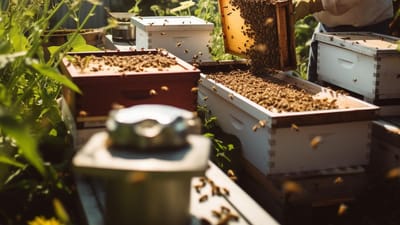
Starting with the right equipment is vital for success and safety. You don't need to buy everything at once, but some items are non-negotiable. A complete hive typically consists of a bottom board, hive bodies (brood boxes), frames, foundation, inner cover, and outer cover. Consider starting with a single hive body to simplify things.
Protective clothing is essential. A full beekeeping suit, including a veil, gloves, and boots, will protect you from stings. While suits can be expensive, they're worth the investment for peace of mind. A good pair of leather gloves is a must. Don’t skimp on quality here. You’ll also need a hive tool for prying apart hive components and a smoker to calm the bees during inspections.
Feeding equipment is important, especially for new colonies. A frame feeder or entrance feeder allows you to provide supplemental sugar syrup when natural nectar sources are scarce. A water source is also crucial, even if it's just a shallow dish with pebbles for the bees to land on. Winterizing equipment, like a hive top feeder, will be necessary in colder climates.
You can find city beekeeping starter kits that bundle many of these items together, which can be a convenient option. However, carefully review the contents to ensure they meet your specific needs and budget. Betterbee.com is a reputable source for quality beekeeping supplies. Don't fall for the cheapest options; durability and quality matter.
- Hive components (bottom board, hive bodies, frames, foundation, covers)
- Beekeeping suit, veil, gloves, boots
- Hive tool
- Smoker
- Feeding equipment (frame feeder, entrance feeder)
- Water source
- Winterizing equipment (optional)
Managing the hive through the seasons
Beekeeping is a year-round commitment, with different tasks required throughout the seasons. In spring, as temperatures warm, the colony will begin to build up its population. This is the time to provide supplemental feeding if necessary and monitor for signs of swarming. Swarm prevention is crucial – it’s how colonies reproduce, and you don’t want to lose half your bees!
Summer is the honey-producing season. Regularly inspect your hives to assess honey stores and add additional supers (boxes) as needed. Harvesting honey typically takes place in late summer or early fall. Fall is a critical time to prepare the colony for winter. Ensure they have sufficient food stores and protect them from drafts and pests. Monitoring for varroa mites is especially important.
Winter requires minimal intervention, but regular checks are still necessary. Ensure the hive is adequately insulated and that the bees have access to ventilation. Avoid disturbing the colony during cold weather. Regular hive inspections are essential throughout the year to monitor the health of the colony and identify any problems early on. Look for signs of disease, pests, or queenlessness.
Learning to recognize the subtle signs of a healthy or unhealthy hive is a skill that comes with experience. Don’t be afraid to ask for help from experienced beekeepers or join a local beekeeping association. The Colorado State Beekeepers Association is a great resource for information and support.
Hive Types Compared: A Qualitative Decision Matrix
| Hive Type | Best Suited For | Key Consideration | Why Choose This Hive? |
|---|---|---|---|
| Langstroth | Commercial honey production & large-scale apiaries | Requires more frequent inspections | Offers standardized frames for easy honey extraction and colony management. |
| Top Bar | Natural beekeeping practices & observation of bee behavior | Can be more labor-intensive for honey harvest | Allows bees to build comb naturally, mimicking their wild nesting habits. |
| Warre | Minimal intervention beekeeping & small-scale honey production | Smaller internal volume limits expansion | Designed to promote bee health and self-regulation with a focus on natural propolis use. |
| Langstroth | Beginner beekeepers seeking readily available resources | Potential for over-management of the colony | Widely supported by beekeeping suppliers and educational materials. |
| Top Bar | Urban beekeepers with limited space | Honey extraction can be less efficient | Its horizontal design fits well on rooftops or in smaller gardens. |
| Warre | Beekeepers prioritizing bee-centric methods | Requires a different approach to hive management | Emphasizes allowing the bees to manage their own environment and health. |
Qualitative comparison based on the article research brief. Confirm current product details in the official docs before making implementation choices.
Honey Harvest & Processing in the City
Harvesting honey is the sweet reward for all your hard work. The timing depends on the nectar flow and your local climate, but typically occurs in late summer or early fall when the honey supers are mostly capped. Use a bee escape board to encourage the bees to move out of the honey supers before harvesting.
Extracting honey requires specialized equipment, such as an uncapping knife or fork and a honey extractor. The extractor uses centrifugal force to spin the honey out of the combs. Proper hygiene is essential during honey extraction to prevent contamination. Once extracted, filter the honey to remove any wax particles or debris.
Store the honey in airtight containers in a cool, dark place. Properly stored honey can last for years without spoiling. Urban honey often has a unique flavor profile, influenced by the diverse floral sources in the city. It’s a fascinating way to taste the local environment.
Looking for a fun way to use your urban honey? Try making hot honey! Simply combine equal parts honey and hot sauce (like chili garlic sauce) in a saucepan and simmer for a few minutes. Let it cool and drizzle over pizza, chicken, or anything else you like. It’s a simple and delicious way to enjoy the fruits of your labor.
Troubleshooting Common Urban Beekeeping Issues
Urban beekeeping presents unique challenges. Pesticide exposure is a major concern, as bees may forage in areas treated with chemicals. Encourage your neighbors to avoid using pesticides and advocate for pesticide-free landscaping in your community. Limited forage can also be an issue, especially in areas with few flowering plants. Plant bee-friendly flowers and shrubs in your garden or community spaces.
Neighbors are usually the biggest hurdle. I've found that a free jar of honey goes a long way in smoothing over fears about stings. Talk to them before the hive arrives so they aren't surprised by a cloud of bees over their patio.
In some regions, Africanized bees are a real risk. They are significantly more aggressive than European breeds. If a hive becomes impossible to manage without getting swarmed, call a professional removal service immediately.
Remember to stay informed and connected with the beekeeping community. Local beekeeping associations are invaluable resources for advice, support, and troubleshooting. Don’t hesitate to reach out for help when you need it. Beekeeping is a continuous learning process, and there’s always something new to discover.
No comments yet. Be the first to share your thoughts!