

How climate change hits the hive
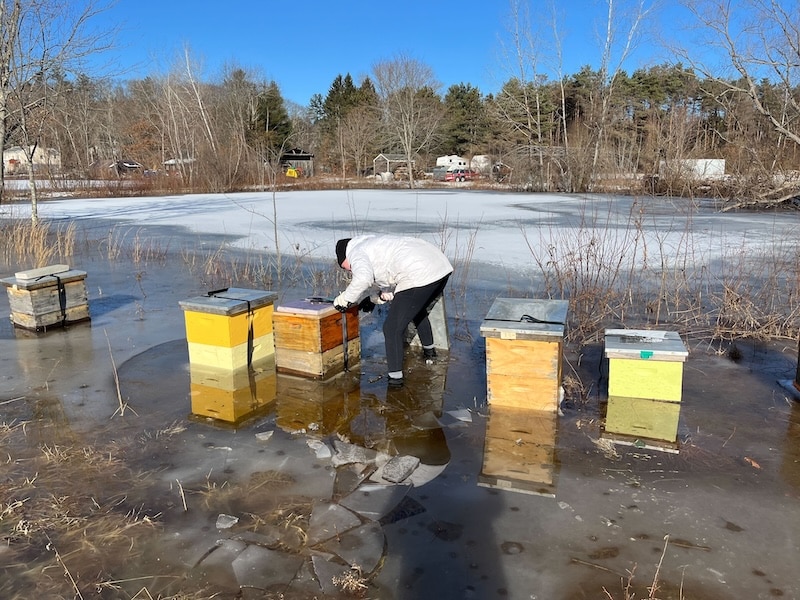
Climate change is shifting bloom times and making forage unpredictable. I've noticed my own bees struggling with sudden heat waves and droughts that didn't happen ten years ago. These weather swings don't just stress the bees; they help pests and diseases spread faster. We have to change how we manage our hives if we want them to survive.
Research from UC Davis confirms these observations, noting that bees are facing escalating pressures due to climate change. These pressures aren’t uniform; different regions are experiencing different impacts. A study published by the PMC (National Center for Biotechnology Information) highlights that beekeepers themselves are recognizing these changes. They're reporting mismatches between bee activity and flower availability, and increased losses during extreme weather events.
Interestingly, the PMC research also showed beekeepers are already adapting. Many are shifting management practices, like providing supplemental feed and moving hives to follow bloom patterns. However, these are often reactive measures. We need to move towards proactive strategies that build resilience into our colonies and support long-term bee health. It's not about stopping climate change overnight, but about helping bees navigate the changes that are already happening.
The reality is, beekeepers are on the front lines of observing these changes. Their anecdotal evidence, combined with scientific research, paints a clear picture: beekeeping as we know it is evolving, and we must evolve with it. Ignoring these shifts isn’t an option if we want to continue enjoying the benefits of healthy bee populations.
Managing varroa mites naturally
Climate change isn’t just directly impacting bees; it’s also affecting the dynamics of varroa mites, one of the biggest threats to honeybee colonies. Warmer temperatures can actually increase mite reproduction rates, leading to faster infestations. Furthermore, the effectiveness of some traditional miticides appears to be declining, potentially due to mite resistance or altered bee physiology under stress.
Instead of solely focusing on killing mites – which can contribute to resistance and harm beneficial bees – the focus should shift towards bolstering the bees’ own defenses. This involves promoting hygienic behavior, where bees actively remove infested brood cells. Breeding for hygienic traits is a key long-term strategy. Drone brood removal, although labor intensive, can also help to reduce mite populations, as mites prefer to reproduce in drone brood.
Formic acid and thymol work as natural treatments, but they aren't perfect. If you use them when it's too hot, you risk killing the queen or the brood. I prefer oxalic acid dribbles in the winter when the hive is broodless. It's less invasive, though you still have to time it right based on your local temperature.
Better nutrition for stressed colonies
Climate change-related stressors, like prolonged droughts and unpredictable bloom times, can severely impact bee nutrition. When forage is scarce or of poor quality, bees can become weakened and more susceptible to disease. Providing supplemental nutrition is often necessary, but it’s crucial to do it right.
Pollen patties and sugar syrup are common supplements, but quality matters. Look for pollen patties made from diverse sources to provide a broader range of nutrients. Avoid pollen from unknown origins, as it may be contaminated with pesticides or other harmful substances. For sugar syrup, consider using a 2:1 ratio (two parts sugar to one part water) during the fall and winter to provide a concentrated energy source.
Encouraging diverse pollen sources is also vital. Planting bee-friendly flowers and trees can provide a consistent food supply throughout the season. Consider native plants, as they are often best adapted to the local climate and provide the most nutritious pollen. It can be tricky to source local, untreated pollen for patties, so building a diverse forage base around your apiary is the most reliable approach.
Reliable water access
It’s easy to overlook, but consistent access to clean water is essential for bees, especially during periods of drought or extreme heat. Bees use water for temperature regulation, diluting honey for feeding larvae, and general hive maintenance. Without a reliable water source, colonies can quickly become stressed.
Creating a bee-friendly water source is simple: a shallow dish filled with pebbles or marbles provides a safe landing spot for bees to drink without drowning. Mud puddles are also attractive to bees, but ensure they don’t become stagnant breeding grounds for mosquitoes. Regularly clean and refill the water source to prevent algae growth and contamination.
Bees can drown easily if they can't find a safe place to land. The pebbles provide that crucial foothold. This is a surprisingly common cause of bee deaths, particularly in urban areas where suitable water sources are scarce. It’s a small effort that can make a big difference in the health of your colonies.
Using microclimates to your advantage
The immediate environment around a hive – its microclimate – can significantly impact colony health. Thoughtful hive placement can provide protection from harsh weather conditions and optimize foraging opportunities. This isn’t about constantly moving hives, but about making informed decisions when establishing new colonies or relocating existing ones.
Consider sun exposure: hives benefit from morning sun, which helps to warm them up and encourage foraging activity. However, excessive afternoon sun can overheat the hive, especially during the summer. Windbreaks, like trees or shrubs, can protect hives from strong winds, which can stress bees and make it difficult for them to fly. Proximity to water sources is also important, as bees need water for temperature regulation and hive maintenance.
When assessing a potential hive location, take the time to observe the area throughout the day. Note the patterns of sun and shade, the prevailing wind direction, and the availability of water. Look for areas that offer a balance of protection and exposure. A small amount of planning can create a more comfortable and productive environment for your bees.
- Prioritize morning sun to get bees moving early, but provide shade during the hottest part of the afternoon.
- Provide Windbreaks: Use trees or shrubs to shield hives from strong winds.
- Ensure Water Access: Locate hives near a reliable water source.
- Observe the Area: Monitor the site throughout the day to understand microclimate patterns.
Selecting for climate-hardy bees
Breeding bees for traits that enhance climate resilience is a long-term strategy, but a crucial one. Bees that are naturally heat tolerant, drought resistant, or exhibit strong hygienic behavior are better equipped to survive in a changing climate. This isn’t about creating a "super bee," but about selecting for traits that improve overall colony fitness.
Beekeepers can participate in breeding programs run by universities or bee associations. Alternatively, they can select for these traits themselves by carefully choosing breeder queens and requeening colonies with daughters that exhibit desirable characteristics. It requires careful observation and record-keeping, but it can yield significant results over time.
The process is slow; it takes multiple generations to establish desired traits. But building a population of bees that are well-adapted to your local climate is an investment in the long-term health and sustainability of your apiary. It’s about working with nature, rather than against it.
Climate Resilience Techniques Comparison - 2026
| Technique | Implementation Effort | Cost | Time to Benefit | Potential Impact |
|---|---|---|---|---|
| Varroa Mite Monitoring & Biotechnical Controls | Medium | Low | Ongoing | High - Reduces stress, improves overall colony health |
| Providing Supplemental Feeding (Pollen/Sugar) | Low | Medium | Immediate | Medium - Supports colonies during forage gaps, but doesn't address root causes |
| Water Source Provisioning | Low | Low | Immediate | Medium - Critical during drought, reduces foraging distance |
| Selecting Locally Adapted Bee Stock | Medium | Medium to High | Generational | High - Increases resilience to regional climate challenges |
| Enhancing Hive Insulation | Medium | Medium | Seasonal | Medium - Helps regulate temperature, reducing stress in extreme weather |
| Creating Windbreaks/Shade | Medium to High | Low to Medium | Seasonal | Medium - Protects hives from harsh winds and excessive heat |
| Promoting Floral Diversity | High | Low | Long-term | High - Improves forage availability, strengthens colony nutrition |
Qualitative comparison based on the article research brief. Confirm current product details in the official docs before making implementation choices.
No comments yet. Be the first to share your thoughts!